
• Pennsylvania reported two measles-related deaths after decades without one.
• Both people who died were unvaccinated.
• Health officials are pushing the MMR vaccine as the best defense.
• State case counts have climbed sharply across many counties.
• Measles remains highly contagious and can trigger serious complications.
• Experts are warning that herd immunity is slipping.
Pennsylvania has recorded two measles-related deaths, a grim milestone that marks the state’s first such losses in 35 years. Health officials confirmed that both Lancaster County residents were unvaccinated, and the news landed with real force because measles had been so quiet for so long in the Commonwealth.
The state’s health department says the best protection is the measles, mumps and rubella vaccine, better known as the MMR shot. Officials say the two-dose version offers strong, long-lasting protection and remains the clearest way to keep the virus from ripping through communities.
Those deaths come as Pennsylvania continues to face a broader outbreak. The Department of Health says 393 cases have been confirmed across 28 counties so far in 2026, a number that signals how fast the virus can regain ground when vaccination rates sag.
Measles is not some mild childhood nuisance. It is one of the most contagious viruses around, and health data shows it can be deadly in roughly one to three people out of every 1,000 cases.
The illness can also leave lasting damage behind. Doctors warn that pneumonia and brain swelling are among the more serious complications, and nearly one in five people who catch measles end up in the hospital.
Spread happens fast and easily. An infected person can pass it through coughing, sneezing, or even breathing in shared spaces, and the virus can linger in the air or on surfaces for up to two hours after that person is gone.
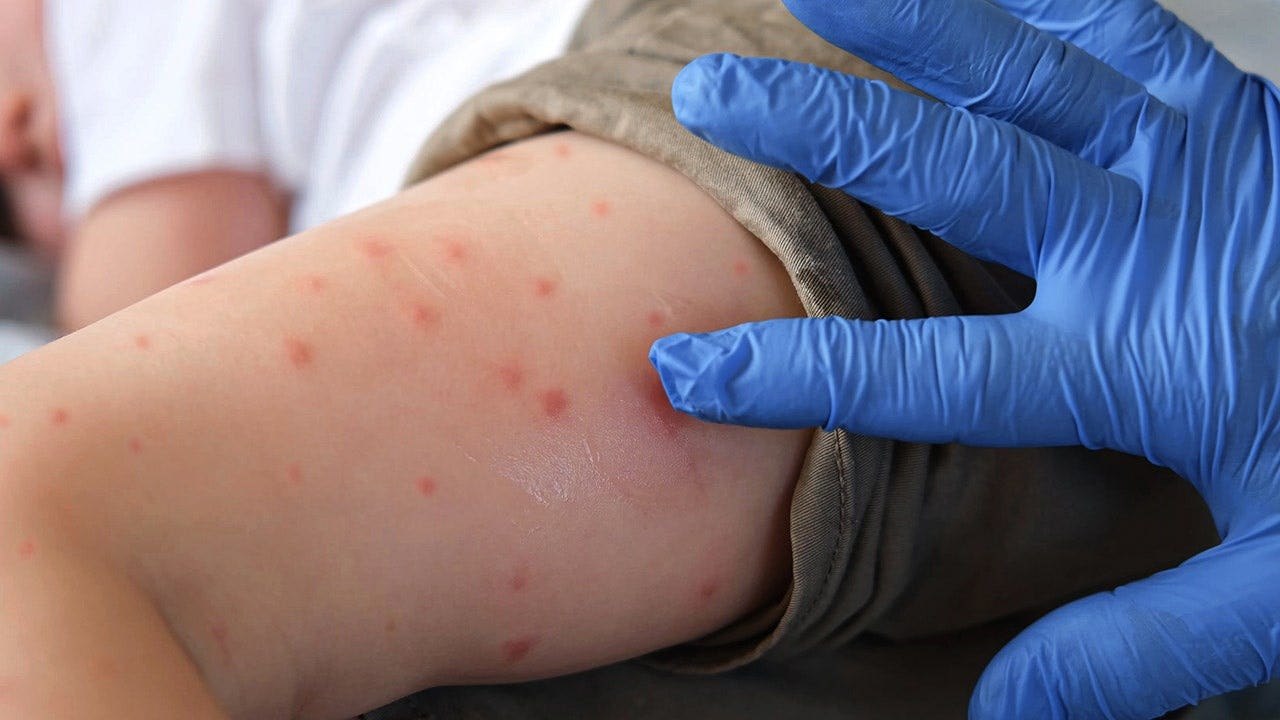
The early signs can look ordinary at first, which is part of what makes measles so sneaky. Fever, cough, runny nose, and red, watery eyes often show up before the classic rash appears a few days later, starting on the head and then moving down the body.
Symptoms usually appear seven to 21 days after exposure, so there can be a delay before people realize they have been infected. Anyone who thinks they may have been exposed is being told to contact a healthcare provider right away, especially if they have not been vaccinated.
Pennsylvania Secretary of Health Dr. Debra Bogen said her sympathies are with the families facing the loss, and she also stressed that many people have forgotten how dangerous measles can be. That kind of gap in memory matters, because when a disease disappears for years, public caution can disappear with it.
Her message was blunt about the vaccine. She said the MMR shot is safe and gives the best protection available, and public health experts keep coming back to that same point because the science has not changed, even if public confidence sometimes has.
Doctors speaking about the outbreak have also pushed back hard on fear and misinformation. One physician noted that the vaccine has prevented millions of measles deaths around the world and said there is no evidence linking MMR to chronic illness, including autism.
Another expert pointed out that Pennsylvania’s long stretch without a measles death was not an accident. It reflected the power of vaccination, and the current outbreak is what happens when that shield starts to weaken and enough people fall outside it.
That is where herd immunity comes in, and measles is especially unforgiving on that front. Because it spreads so efficiently, public health guidance says communities need about 95% vaccine coverage to keep it from finding easy new hosts.
When coverage slips, the virus does not politely stay in one corner. It moves quickly, hits the most vulnerable first, and puts infants, pregnant people, and immunocompromised patients at higher risk because they may not be able to rely on the same level of protection.
The warning signs are getting louder across the country, but Pennsylvania’s outbreak makes the issue feel immediate and personal. A disease that had been pushed to the margins is now back in the headlines, and the pressure is on families and health leaders alike to treat that reality like it matters.
