
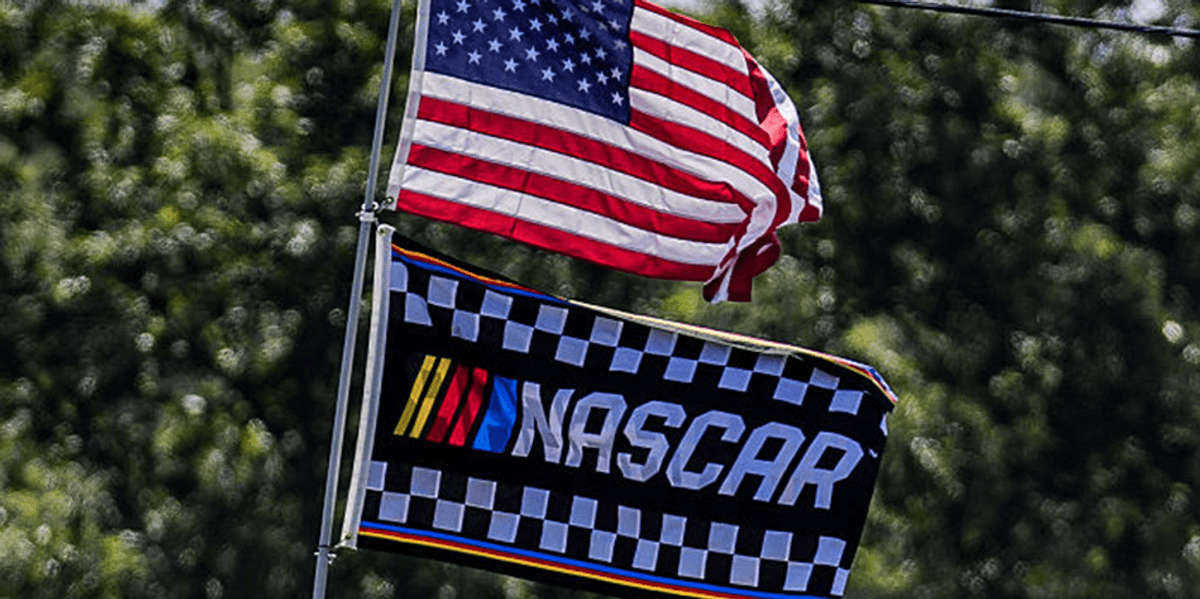
Senate hopeful Paul Dans has put a culture fight front and center, promising to press NASCAR to reverse its 2020 ban on Confederate flags if he wins in South Carolina. He frames the move as standing up for state pride and free expression while attacking incumbents he sees as out of touch. His message mixes blunt populism, a nod to traditional Southern identity, and a wider agenda aimed at dismantling entrenched institutions. The campaign ties that promise to a larger push against what he calls the political and cultural establishment.
Dans, who served in the first Trump administration, is running to replace Sen. Lindsey Graham and has made outreach to working-class voters a core theme. He has singled out NASCAR as a symbolic battleground because the sport matters to many South Carolina families and communities. That focus allows him to cast himself as a fighter for everyday traditions and against elites who would silence certain symbols. The campaign’s rhetoric is direct and unapologetic.
Speaking about NASCAR’s 2020 decision to ban the Confederate flag, Dans said he would call the CEO on day one to urge a reversal. “We don’t give a crap what Bubba Wallace thinks.” Dans insists that fans should have their voices heard on what’s displayed at races across the state. The promise is crafted to appeal to voters who see the ban as an overreach and as part of a broader cultural crackdown.
In his social posts, Dans shared footage from Darlington Raceway and made clear the Confederate flag topic is more than symbolic to his base. He presents the flag issue as an emblem of local pride and a test of federal representation that respects South Carolina’s traditions. That framing fits with other campaign lines that attack Washington insiders and bureaucrats. For voters who equate political change with reclaiming cultural space, the message lands hard.
NASCAR imposed the ban in June 2020 amid nationwide unrest and attention on civil-rights issues, and the move marked a turning point for the sport’s public image. The decision followed a high-profile incident involving driver Bubba Wallace and reports of a noose found in a garage stall. Federal investigators later said the rope had been in place before Wallace was assigned to the stall and concluded no crime had occurred.
The controversy around that summer remains politically charged, and Dans uses the episode to argue against what he calls rushed decisions driven by public pressure. He contends that institutions too often bow to the loudest voices instead of listening to their broader membership. That critique is part of his wider pitch to dismantle what he labels the deep state and to prioritize policies that respect traditional values and local customs. It’s a consistent Republican-populist line from a candidate tied to the Trump era.
Beyond the NASCAR pledge, Dans lists sharp positions on national priorities, including ending what he calls endless wars and toppling entrenched bureaucratic power. He is also associated with Project 2025, a blueprint favored by conservative organizers to prepare for a future administration. Supporters see that background as practical experience for reshaping policy and staffing, while critics warn it pushes a radically different approach to governance.
https://x.com/DansForSenate/status/2035758968006471689?s=20
Dans has made ousting Graham a central goal of his campaign, using blunt messaging and high-visibility promises to mobilize voters in the primary. He pairs cultural issues like the flag pledge with policy promises aimed at shrinking federal overreach and restoring power to states and citizens. The Republican primary in South Carolina is set for June 9, and Dans is betting that a mix of cultural fire and bold policy proposals will win the day.


Dans’ campaign style trades subtlety for clarity, and his NASCAR promise is meant to be a clear, immediate test of his willingness to take on establishment interests. Whether that approach convinces a broad swath of primary voters will be decided at the ballot box in June. For now, the stunt underscores how cultural flashpoints remain central to modern Republican campaigning and how candidates use them to define themselves against long-time incumbents.
As the race tightens, expect the Confederate flag pledge and the surrounding debate over NASCAR’s 2020 decision to get plenty of airtime. Dans is committed to putting the issue at the center of his message and using it to draw contrasts with Graham and other rivals. The debate will force voters to weigh matters of tradition, free expression, and the role of institutions in shaping public life.
