
Hollywood spent years making conservatives feel like intruders, and that pressure pushed a lot of people into the shadows. From the Obama era through the peak of woke culture, a quiet network formed so entertainers could talk honestly without fearing backlash, job loss, or instant exile.
When people on the left now joke about “Woke 1.0,” the joke lands a little too easily because the damage was real. In entertainment, the culture once rewarded conformity so aggressively that even mild dissent could become a career problem.
That is where Friends of Abe came in. Built as a private gathering place for conservatives and independents in the industry, it started small and eventually spread into something much bigger, giving isolated people a place to breathe and speak plainly.
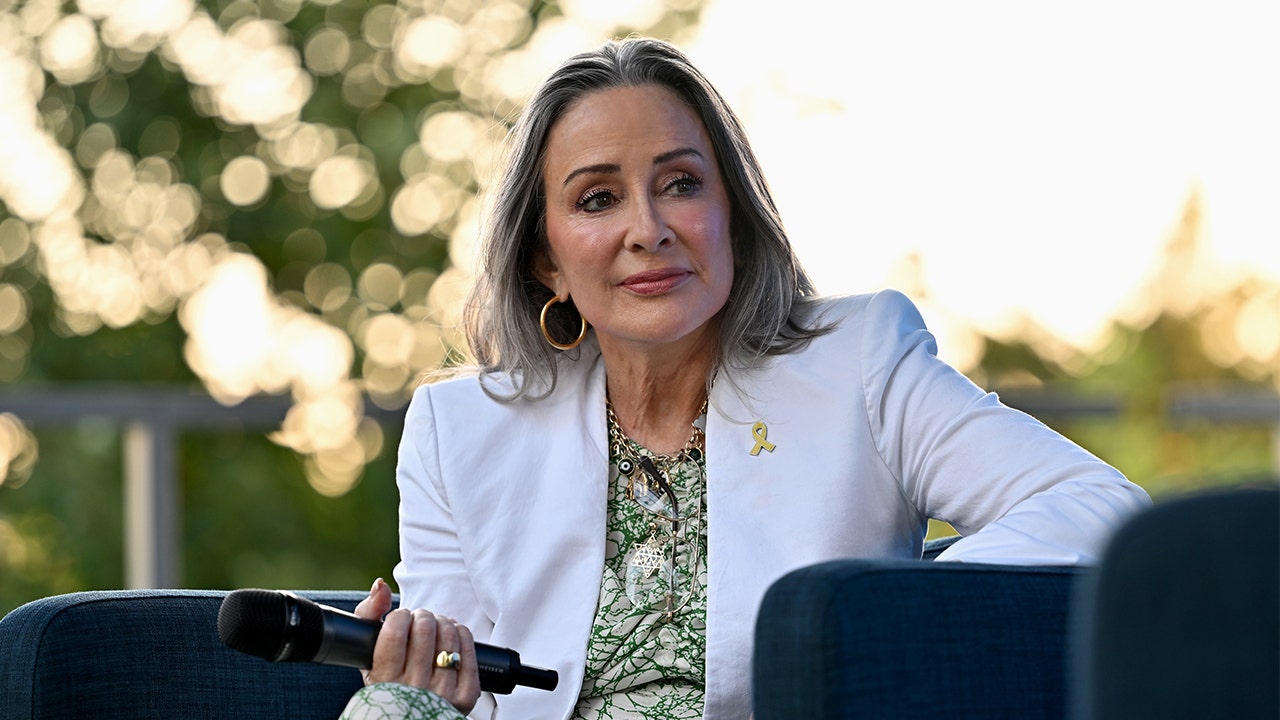
Patricia Heaton helped explain why the group mattered so much. In her telling, it was not about grand gestures or political theater, but about having a safe place to ask a simple question and get a real answer without panic setting in.
The idea of a secret club sounds dramatic, but the need for one said plenty about the climate at the time. In many corners of Hollywood and New York theater, being openly right-leaning could mean being treated like a problem instead of a colleague.
That atmosphere made people self-edit constantly. Some worried about losing roles, while others feared being excluded from events, conversations, and future work, which can be just as effective as an outright ban.
Patricia Heaton described that world in blunt terms, saying, “You could ask someone if they are a friend of Abe, or FOA, and if they said yeah, then you know there was another conservative or independent, or someone who is not a Democrat, that you could talk to without feeling like you were going to get in trouble at your job.”
That sentence does a lot of heavy lifting. It captures a business where political identity had become dangerous, and where trust had to be built through a whisper instead of a handshake.
Stories from that period still hit hard because they show how far the pressure went. When actors like Gina Carano faced punishment for saying conservatives should not be treated like enemies, the message to everyone else was easy to read: keep your head down.
The same chill ran through theater, writing rooms, and the technical side of production. For many people, the issue was not just ideology, but the social cost of being labeled wrong before a conversation even started.
That is why Friends of Abe ended up meaning more than a meetup group. It was a workaround for a culture that had become suspicious of half the country and openly hostile to anyone who broke the script.
At its best, the group reminded people that disagreement is not danger. It gave conservatives and independents a chance to speak without performing loyalty tests, which is a pretty low bar for a supposedly free industry.
Even now, the chill has not vanished just because the temperature changed a bit. More entertainers are willing to talk about faith, patriotism, and politics, but Hollywood still leans heavily one way, and that tilt shows up in the stories it tells.
The real lesson is that censorship does not always arrive with a government stamp. Sometimes it shows up as a room full of people who know exactly which opinions are welcome and which ones will get you frozen out.
That is why the old secret club still sticks in the mind. It was a workaround for a culture that made honesty feel risky, and it proved that when the mainstream gets too narrow, people eventually build their own door and walk through it.
