
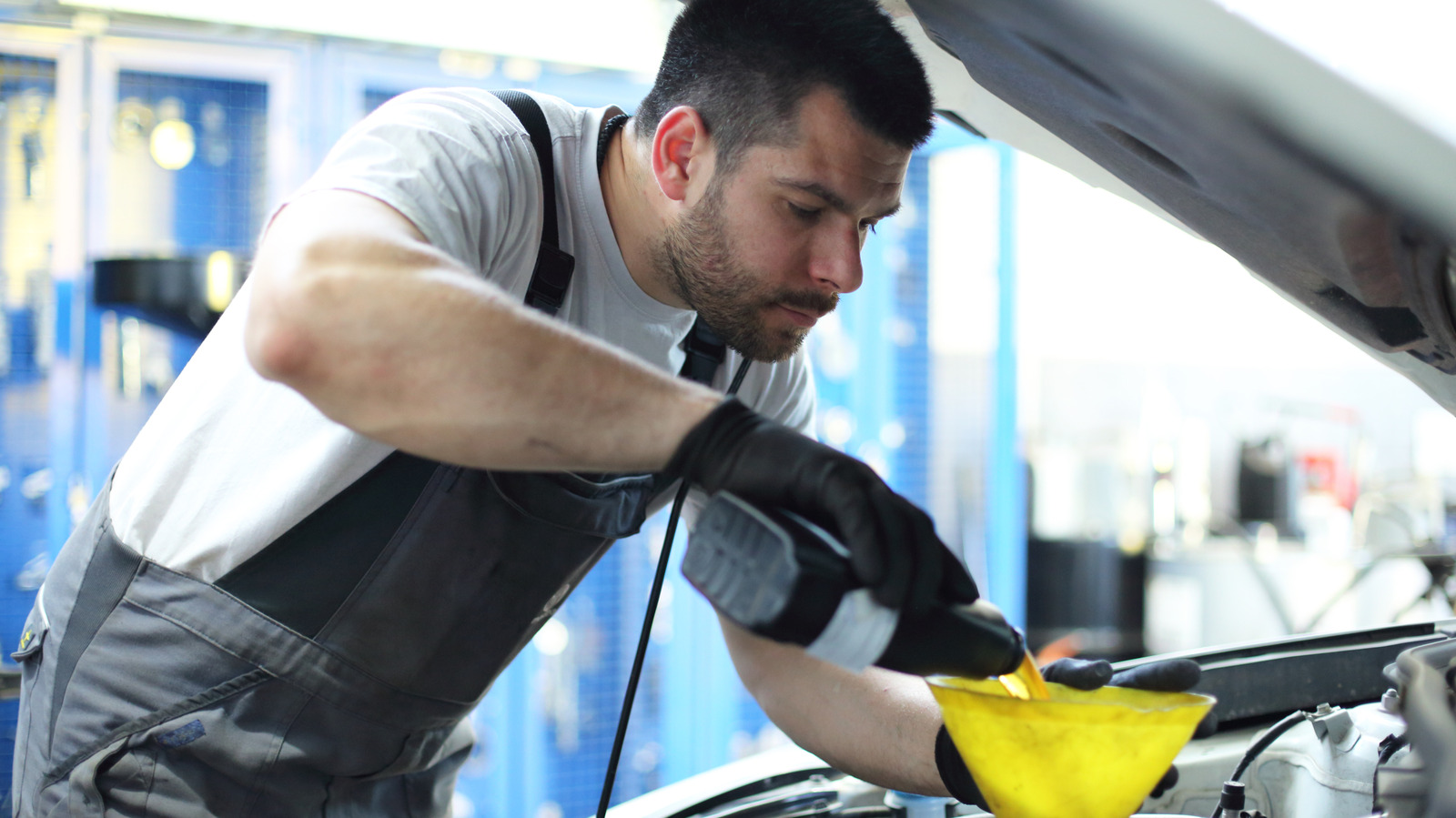
Oil changes are one of those routine car expenses that feel familiar until the bill lands and suddenly the number looks a lot less friendly. Back in the 1960s, the whole idea of paying for fresh oil was cheap enough to seem almost forgettable, but decades of inflation, changing vehicle tech, and new service standards have pushed the cost into a very different lane.
The gap starts with the basics. A few quarts of oil in 1960 could cost just a couple of dollars, and even later in the decade the price of a single quart was still pennies by today’s standards. Adjusted for inflation, those numbers were far lower than modern oil change prices, which can run from a modest service to a much steeper charge once synthetic oil and extra fees enter the picture.
It also helps to remember how much easier older owners could make the job sound. Many drivers handled oil changes themselves, which kept labor out of the equation and made the process much cheaper overall. Once a shop got involved, mechanics’ wages and shop overhead added another layer of cost, and that part of the bill has never stayed frozen in time.
The vehicles themselves have changed just as much as the prices. Cars in the 1960s were often less efficient, and the oils they used were not as advanced, so routine service came sooner and sometimes more often. That era also helped cement the old 3,000-mile rule, a habit that still lingers in conversation even though many modern engines can go much farther between changes.
Synthetic oil is a big reason the conversation looks different now. It was only starting to emerge in the 1960s, but today it is a standard option for many drivers because it lasts longer and handles heat and wear better than older formulations. That improvement brings better protection, but it also nudges the price upward, especially when paired with higher-quality filters and newer engine requirements.
Oil itself has never been immune to market swings. Prices for motor oil, coolant, and related fluids have risen sharply over time, shaped by supply changes, refining costs, and the broader economy. Even when the service seems simple on the surface, the ingredients going into it are part of a much bigger industrial machine.
Inflation does the rest of the heavy lifting. A price that looked tiny in the 1960s can balloon once it is translated into modern dollars, and that makes old comparisons tricky if the broader economy is ignored. The same service that once felt like loose change now has to compete with higher wages, pricier materials, and a much different cost of living.
Buying power tells an even more revealing story. Minimum wage was only a dollar an hour in 1960, then climbed gradually through the decade, but a dollar back then carried far more weight than it does now. That means a cheap oil change in the past was not just a lower sticker price, it was also a smaller bite out of a paycheck.
Modern cars also do more to earn their keep between services. Better engineering, better oil, and better filters all help stretch the time between changes, which changes how drivers think about value. The end result is that today’s oil change is not just a simple swap of fluid, but a snapshot of how cars, labor, and everyday money have all moved together over time.
