
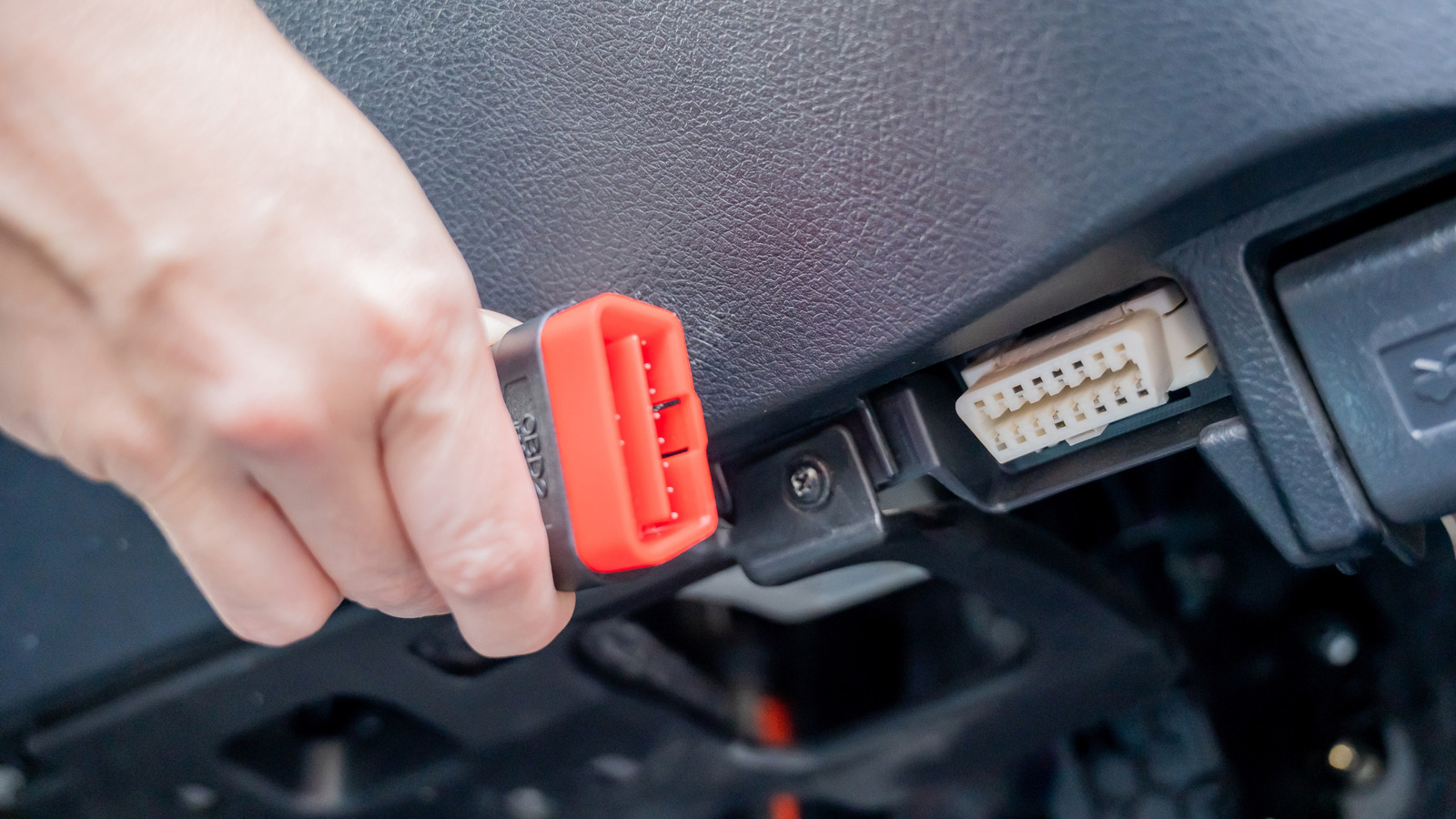
The OBD-II port is more than a check engine light alley; it is a live data highway that, with the right scanner, reveals running conditions, sensor behavior, and diagnostic clues most owners never see. This article walks through what that port can actually do, the kinds of live data you can read, why it matters for repairs and maintenance, and practical tips for choosing the right scanner. You will get clear, usable knowledge that turns a mystery port into a useful tool for smarter car ownership.
Think of OBD-II as the vehicle’s reporting center, not just a trouble alarm. When a scanner taps into that port it can ask the engine, transmission, airbags, and other modules what they are seeing and doing in real time. That live conversation is what separates simple code readers from powerful diagnostic tools that help pinpoint intermittent faults.
Live parameters you can monitor include engine RPM, vehicle speed, fuel trim, coolant temperature, intake air temperature, throttle position, and oxygen sensor voltages. Watching these values while the car is running, under load, and during acceleration can reveal issues that a static code simply cannot. For example a fluctuating fuel trim under load often points to an intake vacuum leak or an injector problem that otherwise hides behind a generic misfire code.
For DIYers, seeing live data changes the repair game from guesswork to methodical troubleshooting. Instead of replacing parts hoping one fixes the problem, you can observe how components behave and when they deviate from normal ranges. That saves time, money, and trips to the shop for parts that were never the real cause.
Mechanics use more advanced scanners that read manufacturer-specific parameters and access modules beyond the engine, such as ABS, body control, and transmission control. Those tools let techs command actuators, run active tests, and compare live values across multiple systems simultaneously. The result is faster pinpoints on faults that used to require hours of test driving and part swapping.
Not all scanners are equal, and the differences matter. Basic code readers show only stored codes and freeze frame data, while mid-range scanners add live data graphs and multi-parameter displays that make trends obvious. Higher-end tools include bi-directional control, advanced coding, and manufacturer-level diagnostic capabilities, which are essential if you plan to work on modern cars with complex networks.
Connectivity matters too; Bluetooth and Wi-Fi OBD adapters paired with mobile apps offer great convenience, but they vary widely in data refresh rates and protocol support. A laggy app or limited protocol coverage can make live diagnostics frustrating or miss transient faults entirely. If you rely on mobile setups, pick adapters and apps known for speedy sampling rates and reliable vehicle compatibility.
There are practical limits and cautions worth noting before you start probing. Accessing manufacturer-specific functions can risk altering configuration or triggering unwanted behaviors if you use unfamiliar commands, so proceed with care and follow documented procedures. Also be mindful of warranty or legal constraints when modifying settings that affect emissions or safety systems.
Knowing how to interpret codes and live data is the final piece of the puzzle; a code points you to a symptom, but live data tells the story of cause and effect. Learning to correlate sensor readings with engine load, temperature, and throttle position takes some practice but dramatically improves diagnostic accuracy. With a thoughtful scanner choice and a willingness to learn what the data means, that overlooked port becomes a reliable ally for smarter vehicle care.
