
The New York Times recently published a guest essay that has sparked considerable debate. In this piece, Dr. Sandeep Jauhar and his colleagues argue for a new definition of death to address the scarcity of donor organs. This suggestion comes in the wake of an alarming investigation by the same outlet highlighting risks to donors during the organ procurement process.
The investigation revealed unsettling instances where organs were nearly harvested from living patients. The Department of Health and Human Services (HHS) responded with an investigation of its own. HHS Secretary Robert F. Kennedy emphasized the need for reform, stating that organ procurement must respect the sanctity of potential donors’ lives.
Dr. Jauhar has a long history of provocative opinions, consistently advocating for medical practices that challenge conventional ethics. His past articles have suggested controversial measures, such as treating patients without their consent and allowing doctors to participate in executions. The underlying theme in his work often questions the traditional boundaries of medical ethics.
In a 2004 article, Jauhar described a situation where he overruled a patient’s wishes to save their life. This case highlighted his frequent disregard for patient autonomy, ostensibly for their own good. The broader theme in his writing often revolves around the concept of death and its medical implications.
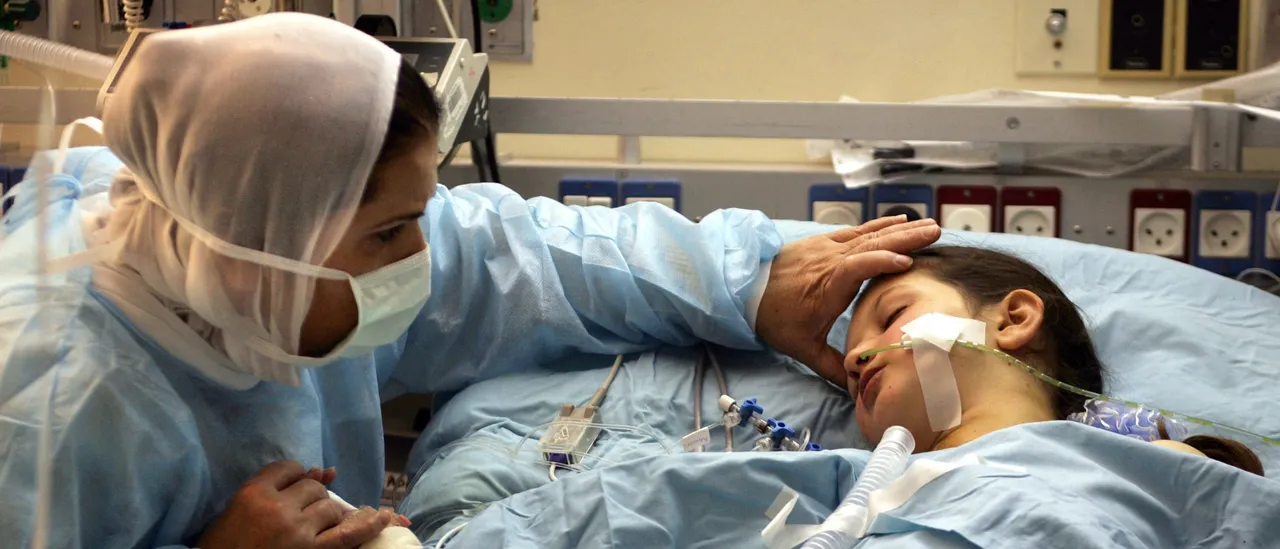
Jauhar argues that a broader definition of brain death could help alleviate the organ shortage. He suggests including irreversibly comatose patients on life support in this definition. This approach would permit organ removal without delay, assuming the patient had consented to donation.
Critics point to the dangers of such an approach, as evidenced by the NYT’s investigation. The article reported aggressive pursuit of circulatory death donors, leading to alarming cases of attempted organ retrieval. Medical professionals across the country have witnessed troubling instances following this practice.
Neurologist Dr. Wade Smith voiced concerns about the frequency of these issues. Jauhar acknowledges the potential for catastrophic outcomes but maintains that responsible determinations of irreversible comas are still possible. His proposal hinges on the notion of informed consent for organ donation.
Jauhar’s views extend to reforms in organ donor enrollment as well. He advocates for automatic enrollment with an opt-out option to increase donor numbers. This policy, he argues, could address the urgent need for organs.
Philosophically, Jauhar questions the essence of personhood once higher brain functions are lost. He posits that without consciousness and intention, a person may no longer exist, despite a beating heart. This perspective aligns with his materialistic view of human life.
The essay has sparked significant debate, particularly among those who hold more traditional views on personhood. Some critics argue from a Christian perspective, emphasizing the existence of a rational soul and human nature. These differing views highlight the complexity of the ethical debate surrounding organ donation.
Jauhar’s fascination with redefining death and personhood reveals a chilling aspect of his medical philosophy. His approach, while aiming to address practical issues, often disregards ethical concerns. The implications of his proposals continue to provoke discussion and scrutiny within the medical community.
The debate over organ donation and the definition of death is unlikely to conclude soon. The ethical, philosophical, and practical dimensions of this issue remain deeply intertwined. As such, it continues to be a topic of critical importance and complex discourse.
