
A single chip factory should not have turned into a national embarrassment, but that is exactly what happened. The Arizona project tied to TSMC exposed a bigger issue hiding in plain sight: America talks a big game about advanced manufacturing while running short on the people who can actually build it.
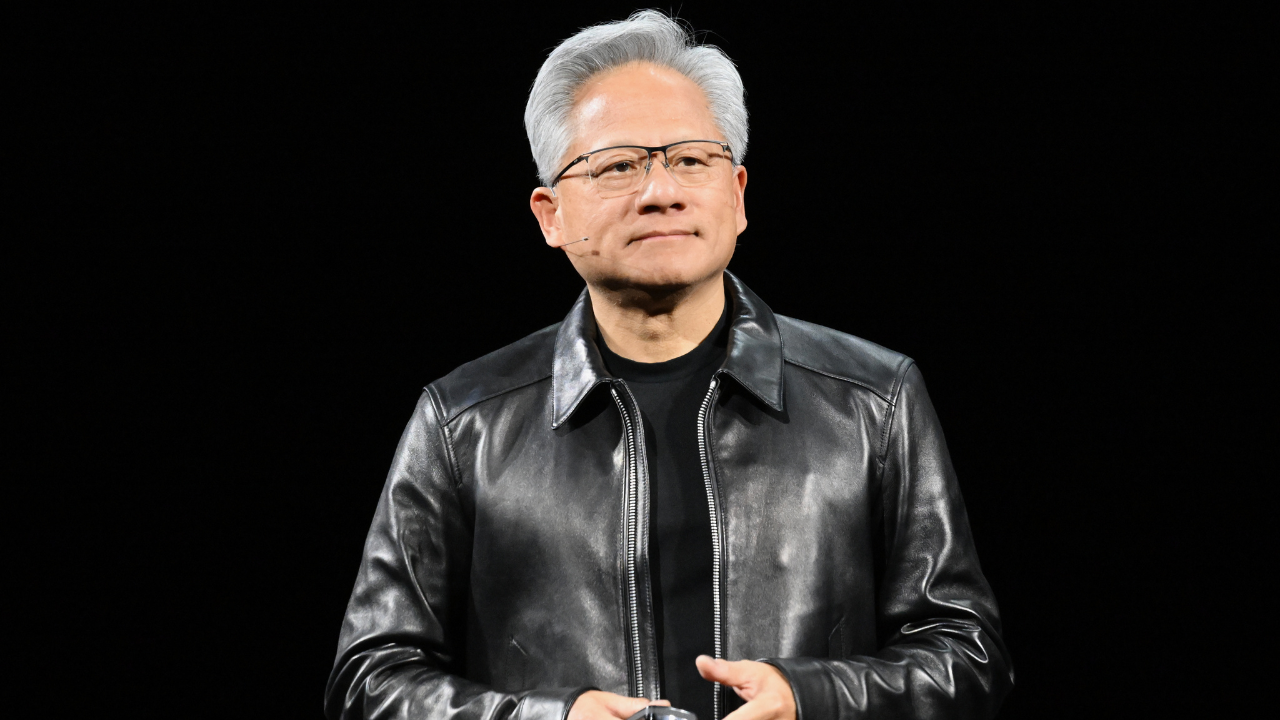
The Nvidia mess only sharpened the point. When a company at the center of America’s AI future gets tangled in foreign influence concerns, it is a reminder that technology, national security, and supply chains are all connected now. The answer is not to punish success for sport, but to stop pretending the country can stay strong while ignoring the skilled trades that keep the whole machine moving.
That problem starts long before a factory ever breaks ground. For decades, schools have pushed the idea that the only respectable path is a four-year degree, while vocational training gets treated like second-tier work. That mindset has helped produce a generation of students with debt, weak practical skills, and limited exposure to the jobs that actually keep the lights on, the lines running, and the chips flowing.
Meanwhile, the industrial world did not sit still. Chip production became more important, more strategic, and more vulnerable, especially with major manufacturing concentrated overseas. When the stakes are that high, dependence on foreign labor, foreign facilities, and foreign governments is not just inconvenient. It is a serious weakness.
The Arizona fab was supposed to be part of the fix. Federal incentives, private investment, and bipartisan talk about reshoring all pointed in the same direction. Then came the hard part: finding enough skilled workers to install, operate, and support one of the most advanced manufacturing sites on earth.
That is where the gap became impossible to ignore. Specialized construction workers, precision technicians, electricians, pipefitters, and welders are not extras in a modern industrial economy. They are the backbone, and when there are too few of them, timelines slip, costs climb, and companies start bringing in labor from elsewhere just to keep projects alive.
Arizona became a vivid example of that strain. Taiwanese workers and their families moved in, local communities adapted, and even the surrounding culture shifted to support the project. The whole situation made one thing obvious: if America wants strategic industries on American soil, it has to train Americans to do the work.
Red tape did not help, either. Industrial projects in the United States often get buried under layers of rules, approvals, and delays that chew up money and time before the first chip is even made. That kind of friction makes it harder to compete with countries that move faster and treat manufacturing as a priority instead of a nuisance.
The labor shortage is not a mystery to the people closest to the problem. Industry studies keep warning that tens of thousands of technical jobs may go unfilled in the years ahead. That should be a flashing red light, but the education system still acts like the old script is working just fine.
It is not. Too many young people are steered toward expensive diplomas that do not match labor market needs, while the jobs tied to real production, maintenance, and engineering sit open. That is a bad bargain for workers, bad for companies, and bad for a country trying to compete with China in the most important sectors of the century.
This is where the conversation needs to get honest. Technical high schools, apprenticeships, and community colleges are not backup plans. They are national assets, and they deserve the same respect that gets showered on trendy white-collar paths with far less practical value.
There is nothing glamorous about wiring a plant, calibrating equipment, or keeping a clean room running. But those jobs matter more than most people realize, and they pay well because they are hard to do and hard to replace. A country that forgets that lesson ends up dependent, expensive, and weaker than it needs to be.
The future will not be secured by slogans or by pretending every kid needs the same track. It will be secured by rebuilding a workforce that can make things, fix things, and protect the industries that make American power real. That means treating skilled labor like the serious, high-value work it has always been.
