
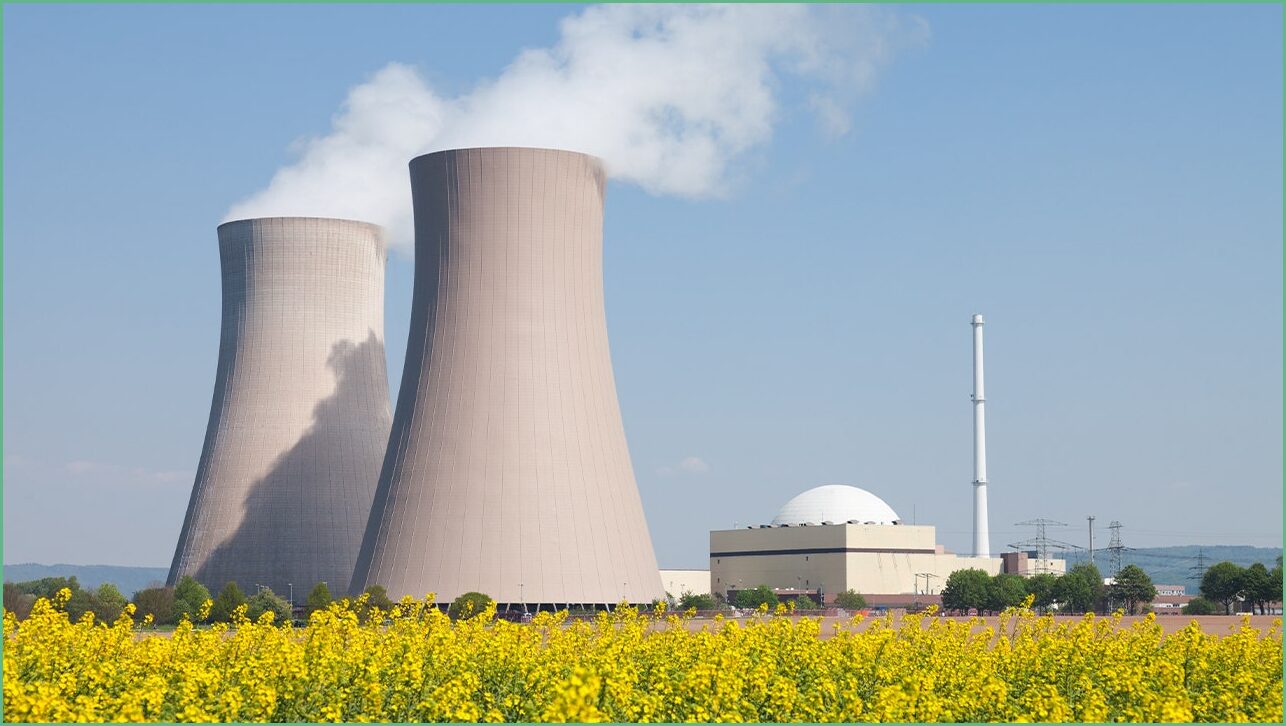
Nuclear power is back in play and the debate has shifted from theory to logistics. This piece looks at the boom in demand, the private sector’s push, the real obstacle of spent fuel policy, and why federal failure has left taxpayers on the hook. It also covers the policy shifts under President Donald Trump and a practical report outlining a path forward. The core idea is simple: unleash private innovation, fix accountability, and make waste management a viable industry.
President Donald Trump has set an ambitious target to quadruple America’s nuclear capacity by 2050, and dozens of countries are chasing big expansions too. That ambition is driving a scramble for new reactors, small modular designs, and ways to squeeze more life and output from existing plants. Energy demand and climate goals make nuclear an obvious piece of the clean energy puzzle.
Private firms are not waiting. Tech and industrial giants are investing to restart dormant plants, upgrade systems, and push advanced reactor designs into commercial reality. When entrepreneurs and utilities see a real market, they move quickly and efficiently. That competitive energy is precisely what policy should encourage, not smother with red tape.
The snag is a 90,000-ton pile of spent fuel that sits at reactor sites across the country and complicates any large-scale rollout. The federal government was assigned responsibility for long-term disposal decades ago and collected fees to pay for it, but it never delivered a permanent system. That means companies keep storing waste on their property while the government holds the money and offers no service in return.
To be clear, this is not primarily a safety crisis. Spent nuclear fuel is carefully protected in pools and dry casks, and it uses very little space; all U.S. spent fuel could fit on a single football field stacked about 10 yards high. The technical challenge is one of policy and money, not a runaway hazard waiting to happen. Practical, market-driven solutions could manage these inventories without drama.
The Nuclear Waste Policy Act made Washington the manager of disposal and gave the Energy Department until 1998 to act, while collecting fees from ratepayers that now exceed $65 billion with interest. The Department has spent roughly $11.5 billion and left more than $50 billion in the Nuclear Waste Fund sitting unused for its intended purpose. That gulf between collection and delivery is where the system broke down.
Even worse, more than $10 billion was spent on Yucca Mountain without a finished disposal system, and the federal government failed to accept spent fuel as promised. Utilities sued and won, and audits show taxpayers now face roughly $44.5 billion in liability because the government did not meet its contractual obligations. Those costs are paid from the Judgment Fund that satisfies court awards, which means the federal failures end up on the public tab instead of prompting a real fix.
Making the federal government the sole manager of nuclear waste killed incentives for innovation. Bureaucracy tends toward one-size-fits-all, compulsory solutions that choke private initiative and prevent recycling, advanced fuel designs, or market-based storage solutions from emerging. If the government guarantees cleanup without commercial pressure, firms have little reason to invest in better, cheaper ways to handle spent fuel.
TRUMP ADMIN POURS $1B INTO MASSIVE EFFORT TO RESTART NUCLEAR REACTOR AT HISTORIC MELTDOWN SITE This administration has signaled a different tack with an executive order titled “Reinvigorating The Nuclear Industrial Base,” pushing the Energy Department to solicit state interest in Nuclear Lifecycle Innovation Campuses. The request for information asks states to self-identify, puts private leadership in front, and leaves room for new ideas rather than prescribing a single approach.
TRUMP’S ENERGY PRICE PROMISE IS COMING DUE. HE HAS THE POWER TO SOLVE THE CRISIS Those innovation campuses could restore incentives: let states compete to host full fuel-cycle hubs, let private firms lead operations, and allow different technologies to compete for customers. That mix — local buy-in, market discipline, and flexible rules — is the best chance to move spent fuel from liability to a managed asset. If policymakers stick to rigid, top-down plans, the same stalled outcomes will repeat.
RAPID RISE OF AI PUTS NEW URGENCY ON CONGRESS TO UNLEASH AMERICAN ENERGY Independent experts have laid out practical options too, including a report titled “The Path Forward for Nuclear Waste in the U.S.” that recommends realigning responsibilities, ensuring collected fees are spent as intended, and preserving permanent geologic storage while allowing alternative technologies. Those proposals acknowledge reality: the federal government must meet its existing obligations and then get out of the way enough to let entrepreneurs build real solutions.
Washington has finally signaled a willingness to untangle decades of policy mistakes, but success depends on states and private firms stepping up. The choice is straightforward: keep papering over failure with taxpayer checks or create a competitive, accountable market that turns spent fuel into a manageable part of a robust nuclear industry. The nation that wants abundant, reliable clean energy should pick the latter and move fast.
