
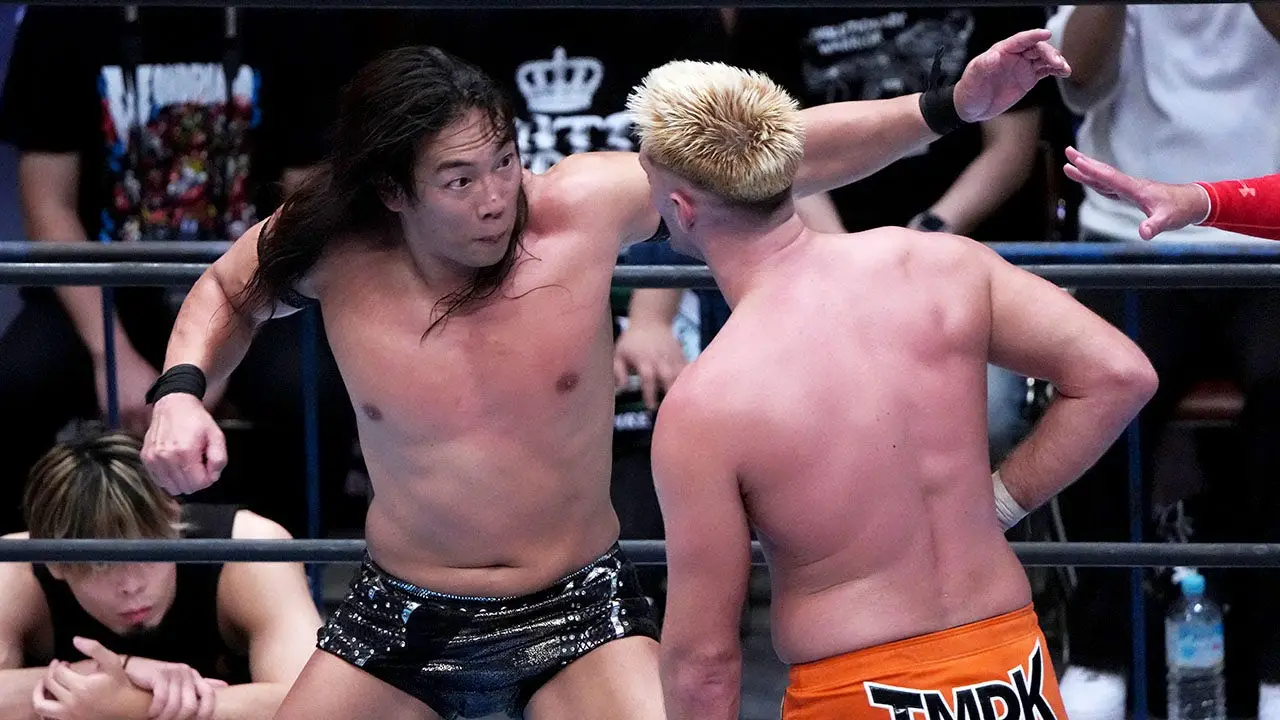
G1 Climax 36 kicks off Saturday in Chicago with Yota Tsuji and Konosuke Takeshita headlining as the top favorites in the legendary NJPW event. This tournament opener feels like a fresh jolt to the scene, with familiar faces and new challengers poised to make noise. Expect raucous Chicago crowds, high-stakes storytelling, and a pace that decides seasons in a matter of nights.
The G1 Climax has always been the place where careers change direction, and this year looks no different. Yota Tsuji arrives with momentum and a style that blends explosive offense with intelligent pacing, making him a legitimate favorite. Konosuke Takeshita brings brute athleticism and charisma that demands attention the moment he steps through the curtain.
Match dynamics in the G1 are about endurance and strategy as much as raw talent, and both Tsuji and Takeshita know that. Tsuji’s timing and ring IQ let him pick his moments, while Takeshita’s relentlessness can bury opponents before they find their rhythm. That contrast gives the Chicago cards a compelling ebb and flow, with surprise bursts that can flip standings overnight.
The card beyond the top names is deep enough to create real drama, with veterans hungry to remind fans who they are and underdogs looking for a breakout night. Expect someone to catch fire early and climb the table fast; the G1 rewards streaks and punishes inconsistency. Fans should watch who adapts after losses, because recovery style often separates contenders from pretenders.
Chicago itself adds an extra layer to the spectacle. The crowd history in that city tilts toward loud, opinionated reaction, which can amplify a performer’s momentum or bury a debut that doesn’t land. That electricity pushes wrestlers to take risks they might otherwise avoid, and some of the most memorable G1 moments come from nights where the crowd forces a match to a higher gear.
From a storytelling angle, this G1 is a chance to set up rivalries that last far beyond the tournament. Tsuji and Takeshita aren’t just fighting for a trophy; they’re carving narrative lines for the next year of NJPW. Who scratches a name into another’s head here will likely get a rematch or a long-term feud that drives pay-per-view main events.
Technically, look for variations in pacing as the tournament unfolds. Early rounds favor athletes who can sprint a match without wearing down, while late-night marathoners often win by outthinking their rivals. That makes conditioning and in-match decision-making crucial; a single booking choice can change how a wrestler approaches every subsequent match.
For casual viewers, the G1 is the perfect testing ground to see who deserves attention during the rest of the year. It’s where fresh talent proves they belong and where veterans remind everyone why they’re still main-event material. And for long-time fans, it offers a delicious mix of risk, payoff, and those unexpected moments that make wrestling addictive.
No predictions are safe in a field this stacked, but one thing’s clear: the early nights in Chicago will set the tone. Keep an eye on momentum, adaptiveness, and how each competitor handles pressure, because the G1 doesn’t forgive mistakes. Expect a wild opening weekend and a tournament trajectory that keeps delivering big, unpredictable moments.
