
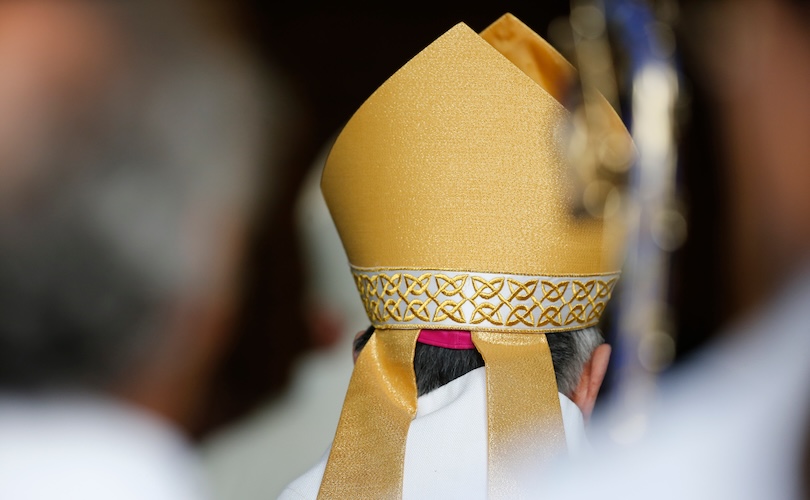
The detention and unexplained disappearance of Bishop Juan Abelardo Mata has triggered sharp outrage, with critics calling the episode a brutal assault on faith, freedom, and basic human dignity. The 80-year-old Nicaraguan bishop was taken after speaking out in defense of the persecuted Church, and since then, his status has remained murky, raising fears about his health and safety. What began as a detention has now become a far larger story about the Ortega-Murillo regime’s treatment of the Catholic Church and the growing alarm from church leaders, activists, and former diplomats.
According to researcher Martha Patricia Molina, the case is not just another act of repression. She described the “forced disappearance” of Mata as a “crime against humanity,” saying the dictatorship has shown a pattern of targeting priests in the harshest way possible. Her warning carried extra weight because Mata has now been missing for nearly three weeks, and no credible public explanation has been offered for where he is or what condition he is in.
The tension around the bishop intensified after the Nicaraguan government acknowledged that it had held him for questioning. Officials said he was returned home, but that claim has done little to calm concerns, since no one close to him has confirmed direct contact. Reports also noted that he suffers from diabetes, vision problems, and a heart condition that requires a pacemaker, which only deepens fears that he may not be receiving proper care.
Mata’s trouble reportedly began after a June 28 homily in which he called for prayers for the persecuted Church under the communist-backed regime. That message appears to have hit a nerve. Just days later, he was detained, and the government’s later statements did not fully clear up what happened in the gap between his arrest, his supposed release, and his current disappearance.
For many Catholics in Nicaragua, this is not some isolated incident. It fits into a much broader crackdown that has unfolded since the 2018 protests, when church leaders began facing a wave of pressure that included arrests, deportations, surveillance, and restrictions on religious institutions. The message from the regime has been unmistakable: outspoken clergy are expected to stay quiet, and those who refuse are punished.
Arturo McFields, Nicaragua’s former ambassador to the Organization of American States, said Mata stands out because he has been one of the few Church voices willing to speak plainly against the government. In his view, the bishop’s courage is exactly why the regime fears him. That fear, McFields suggested, is also why outside pressure matters, especially from governments that still have leverage and are willing to use it.
The Vatican has not been the only institution watching the situation closely. Pressure has also come from outside Nicaragua, including calls from the United States for the bishop’s release. Even so, that kind of international attention has not yet produced any visible answer about where Mata is or whether he is safe, which is exactly what keeps the story alive and the concerns growing.
What makes the case sting so much is that Mata is not a young dissident hiding in the shadows. He is an elderly bishop, a longtime shepherd in Estelí, and a man whose public criticism of anti-Catholic policies made him a target long before his detention. In a country where the Church has already been battered by intimidation and control, his vanishing has landed like a warning shot that many believers are taking very seriously.
For Nicaragua’s faithful, the issue now is bigger than one man, even if one man is at the center of it. The unanswered questions have turned a local detention into a test of whether the regime believes it can silence the Church without consequence. Every day that passes without a clear account only makes the silence louder, and the unease around Mata harder to ignore.
