
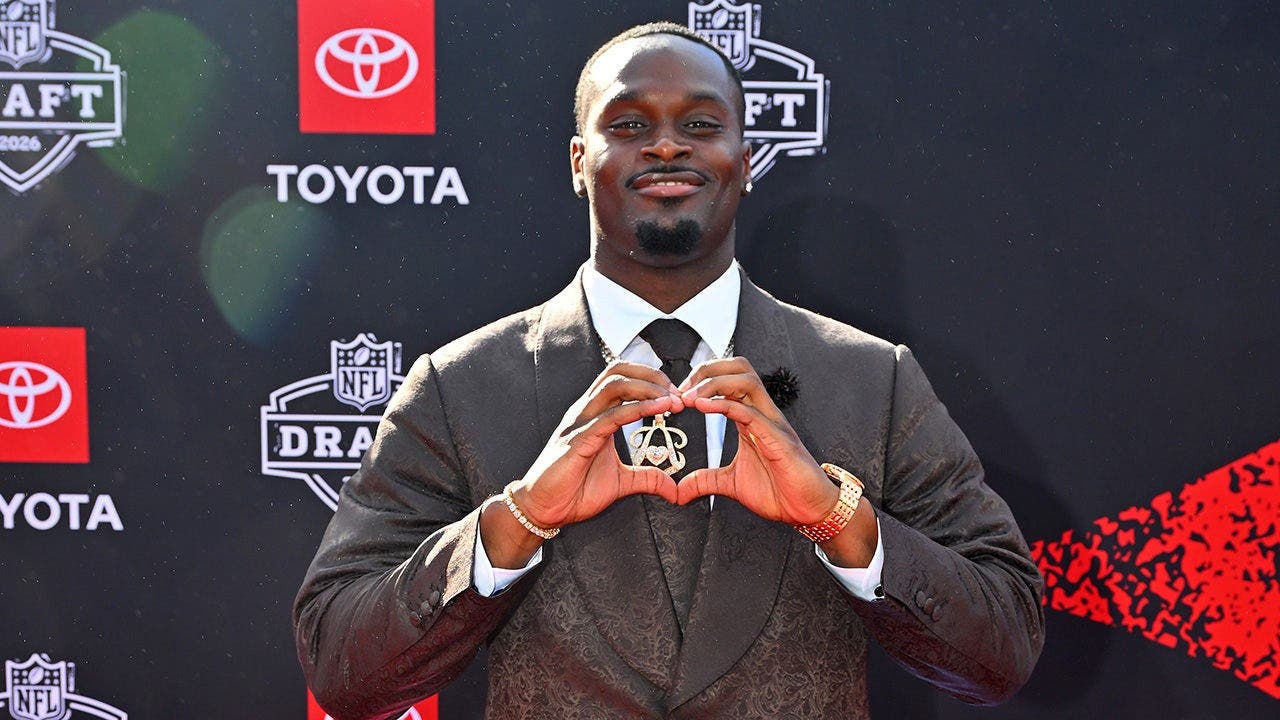
Jeremiyah Love announced he will not touch his NFL game checks and plans to rely on marketing income to provide for his family first, a stance that shines a light on how modern athletes are reshaping pay and priorities. This piece unpacks the practical reasons behind that choice, the potential benefits and pitfalls, and what it might mean for other players thinking beyond the paycheck. The goal here is straightforward: explain the decision, place it in a broader context, and point out the real-world implications without drama.
At its core, Love’s decision is about control and timing of income, not a rejection of the NFL paycheck itself. Game checks come with schedules, taxes, and sometimes uncertainty about longevity in the league, while marketing deals can be structured to deliver cash up front or on a predictable schedule. For a player trying to secure his family’s immediate needs, that predictability can feel like a smarter short-term move.
Choosing marketing revenue over direct game pay also highlights a mindset shift about how athletes view their careers and brands. Where previous generations treated endorsements as a pleasant bonus, younger players often see them as an essential pillar of financial planning that can outlast playing days. Building a brand creates options that a single season’s salary cannot always guarantee, especially when family security is the priority.
There are clear advantages to prioritizing marketing money, including the ability to negotiate terms that protect against injury or short careers, and the chance to convert fame into assets that keep working after the jersey comes off. That money can be allocated to immediate family needs, housing, education, or even business ventures that generate passive income. When handled cautiously, these deals can turn volatile public attention into stable support for loved ones.
Still, leaning on marketing revenue carries its own risks and tradeoffs that deserve attention. Endorsement income can be fickle, tied to public image and market trends that shift quickly, and not every athlete lands reliable long-term deals. Relying heavily on one income stream without a safety net or diversified investments can create stress if sponsorships dry up or market appetite changes.
Practical financial steps make a big difference for players who follow Love’s lead, including working with competent advisors, creating clear budgets, and diversifying where possible. Putting marketing money into vehicles that offer both growth and protection, such as conservative investments or family trusts, helps avoid the temptation to treat those checks like instant spending money. The right planning turns marketing windfalls into sustainable support rather than short-lived headlines.
Public reaction to a decision like this often splits between admiration and skepticism, with some fans seeing it as a noble sacrifice and others worrying about the optics of avoiding pay earned on the field. For many observers, the move underscores the pressures athletes face to prioritize family and financial stability in an environment that prizes short-term spectacle. Whatever the take, the choice forces a conversation about responsibility, expectations, and how players should be supported off the field.
On a broader level, Love’s approach reflects a trend where athletes use branding and marketing as strategic financial tools rather than mere perks. Social media, personal storytelling, and targeted partnerships give players more leverage to shape their income in ways that match personal priorities. That shift changes how agents, teams, and sponsors negotiate and how younger players plan their careers from day one.
This decision will likely be watched closely by peers, advisors, and family members who see both the upside of guaranteed marketing dollars and the downside of depending on public favor. For Love, the choice to prioritize family through marketing revenue sends a clear message about where his priorities lie and how modern athletes can balance immediate needs with long-term security. The broader conversation this sparks about income structure and athlete responsibility is only getting started.
