
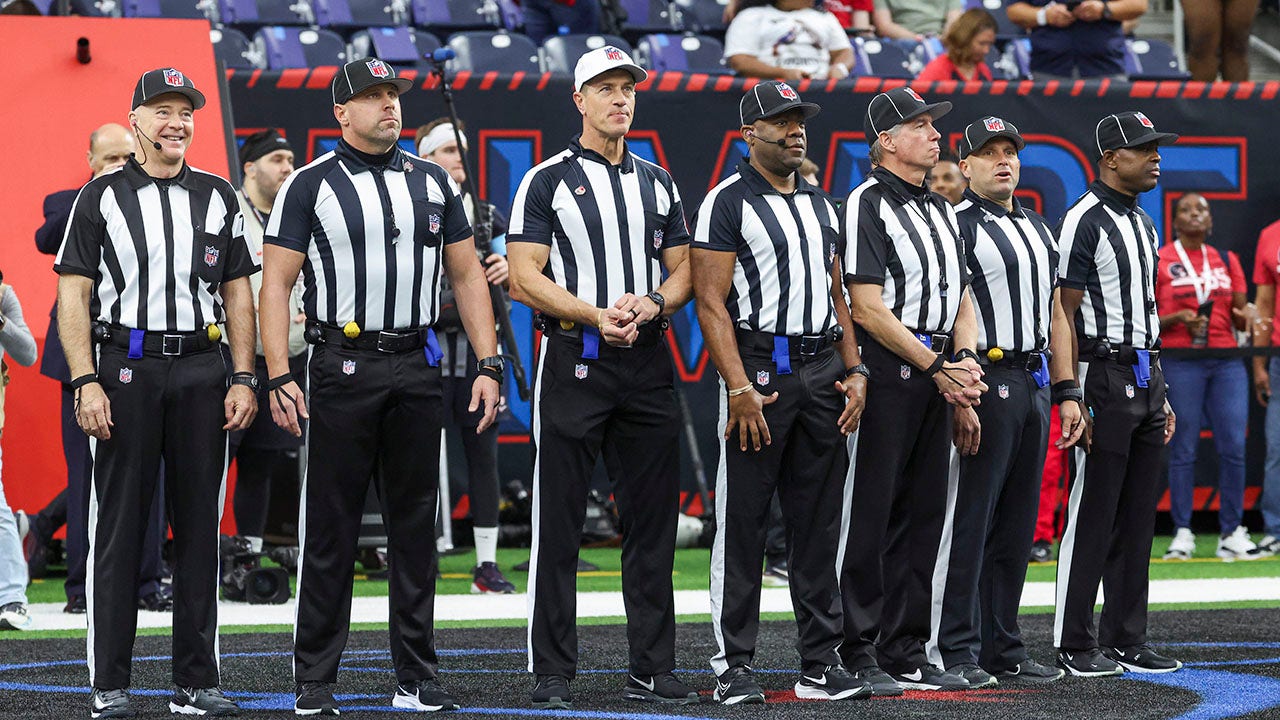
The NFL has quietly begun vetting potential replacement officials as the current collective bargaining agreement with the NFL Referees Association approaches its expiration, a move that suggests the league is preparing contingency plans. That step signals a serious effort to maintain control over game administration if talks stall or a work stoppage happens. This article breaks down what the checks mean, why the timing matters, and how this could affect games, labor talks, and public confidence.
At its core, running background checks on replacement officials is about risk management. The league wants to make sure anyone stepping onto the field can clear basic credibility and safety screens before being put in front of millions of viewers. This isn’t just about criminal records; it’s about ensuring candidates don’t bring immediate distractions into a fragile environment.
The timing is notable because the checks come as the collective bargaining agreement with the NFLRA nears its end. With negotiations often tense in the final stretch, preparing a pool of vetted replacements is a practical, if awkward, step. It sends a message that the league is preparing for multiple outcomes without necessarily escalating the talks publicly.
Practically speaking, vetting replacement officials raises questions about experience and training. Officials need a deep grasp of rules, positioning, and game management that takes years to develop, and background checks won’t replace on-field seasoning. The league would still face a steep climb bringing any group up to the standards fans expect for officiating big-league football.
For the NFLRA, the checks are likely to be a sensitive subject. Unions typically view replacement lists as leverage or a signal of bad faith, even if the league frames the move as routine preparedness. How the union responds could influence the tone of negotiations and public perception of both sides during a potentially volatile period.
Fans and teams will undoubtedly worry about game integrity and consistency if replacements were ever used. Even with cleared backgrounds, new officials could cause more missed calls or slow game flow while learning on the job. The league’s challenge will be to reassure stakeholders that any transition would keep player safety and competitive fairness front and center.
There are legal and logistical layers to consider beyond just running checks. Contracts, liability coverage, travel logistics, and the timetable for training all need answers long before a replacement crew appears under the stadium lights. Those details will shape whether this preparedness is a credible contingency or just a paper exercise to influence bargaining dynamics.
Transparency will be crucial if the league moves forward with replacements in any meaningful way. Public confidence hinges on clear explanations about why checks were run, what standards replacements must meet, and how their performance will be monitored. Without that clarity, both fans and players could view the move suspiciously, which would undermine the league’s stated aim of protecting the game.
Expect the next few weeks to bring more signals from both sides about how serious they are on reaching a deal. The presence of vetted replacement officials is only one element of a larger negotiation landscape that includes pay, working conditions, and long-term reforms. Observers should watch for concrete steps—training schedules, staffing decisions, or formal announcements—that reveal whether readiness plans are practical preparation or bargaining posture.
