
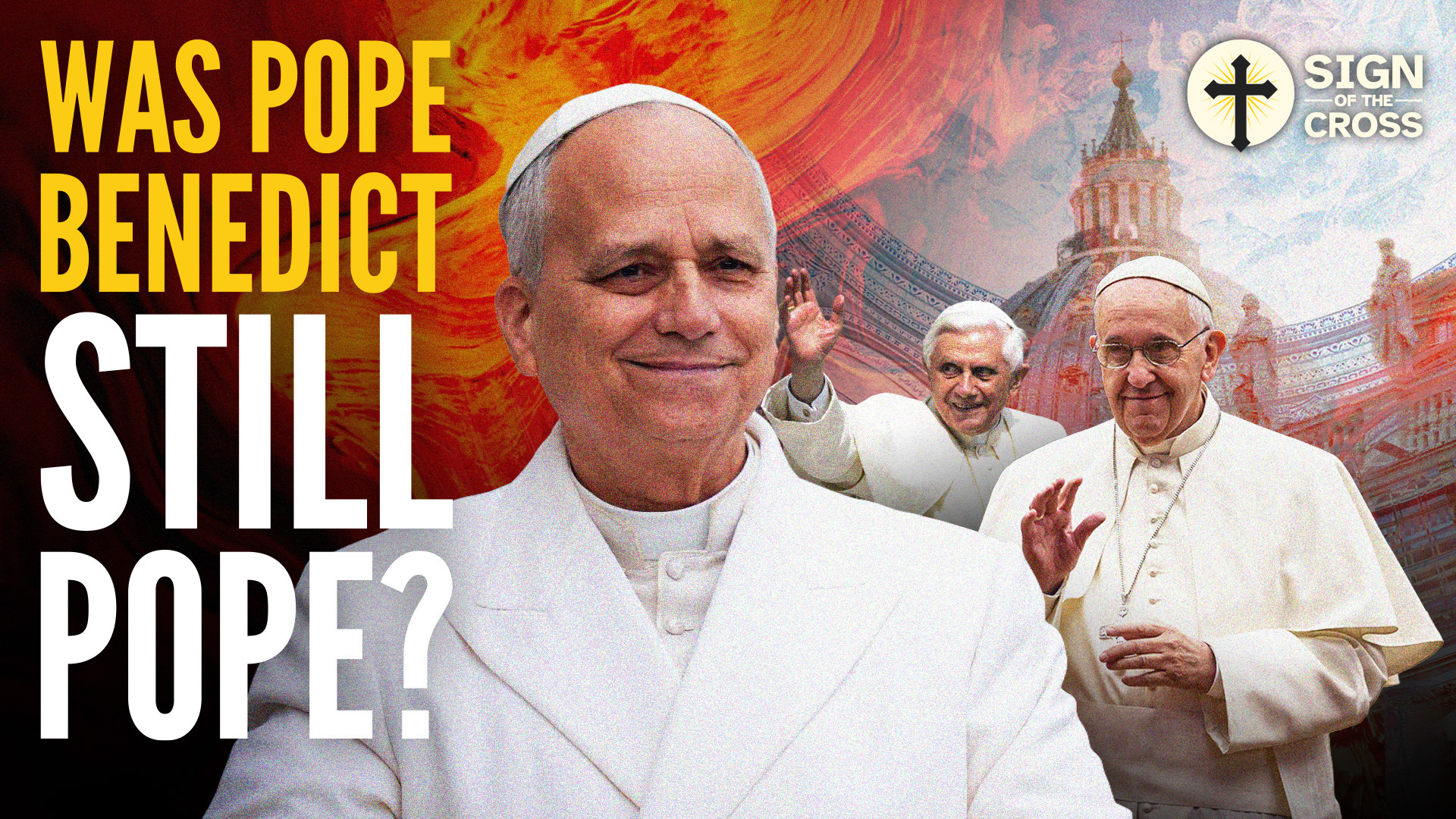
The debate centers on a linguistic wrinkle: a single Latin word in Benedict XVI’s resignation text. Clergy and theologians have parsed that phrasing and argued that what Benedict renounced might not be the same juridical reality others assumed. If their reading holds, the consequences could reach to the legitimacy of the current and subsequent claimants to the papacy. This piece walks through the core argument, the stakes, and why the conversation matters for Catholics and canon lawyers alike.
A growing cluster of Catholic priests, canonists, and theologians are raising a technical challenge to the accepted reading of Benedict XVI’s 2013 resignation. They point to the Latin term used in the announcement and say its nuance changes the legal meaning of what was given up. On its face this looks like a narrow grammatical dispute, but in structures that hinge on precise formulas, words matter a great deal.
The original resignation text used classical ecclesiastical Latin, a register where one word can mark the difference between stepping down from an office and relinquishing an inherent charge. Critics of the resignation argue Benedict renounced a functional role rather than the permanent bond of the Petrine office. Supporters of the standard reading counter that both common sense and subsequent practice confirm the vacancy was real.
Canon law specialists stress that validity in sacramental and juridical acts often turns on intention expressed in clear terms. A valid resignation of a pope must be freely made and properly manifested in a manner that leaves no reasonable doubt. Those questioning the resignation say the linguistic choice created ambiguity, not the explicit renunciation required to create a canonical vacancy. Others reply that the Holy See’s processes and the reactions of the College of Cardinals and the broader Church effectively removed any ambiguity at the time.
The practical stakes are enormous because papal legitimacy is not merely theoretical. If a resignation were declared invalid retroactively, it would throw into question every subsequent act and appointment founded on the assumption of a clear transition. That chain of consequences is why the debate has moved beyond academic journals into parish conversations and public commentaries. The issue combines language, law, and pastoral reality in a way that presses on the Church’s deepest institutions.
Observers note that historical precedent is thin for an exact parallel, which complicates any legalistic resolution. Past papal resignations have been rare and often shaped by their own political and theological contexts. In the absence of a long line of directly comparable cases, scholars lean heavily on close readings of Latin and canonical principles, as well as on the broader signs of ecclesial assent or dissent at the moment of transition.
Some theologians emphasize pastoral consequences as much as juridical ones, arguing that prolonged dispute damages unity and trust in leadership. Critics of the critics say reopening the matter serves factional ends and risks destabilizing the Church. Proponents of further study counter that clarity about the nature of the Petrine office and the rules that govern it is not factional but necessary for institutional integrity.
What happens next depends largely on where authoritative investigation goes, if any is undertaken. A formal canonical inquiry would seek evidence of intent, conformity to required forms, and the wider context. Absent a definitive finding, the discussion is likely to continue among scholars, clergy, and informed laypeople, with each side making its case on language, law, and the weight of historical practice.
