
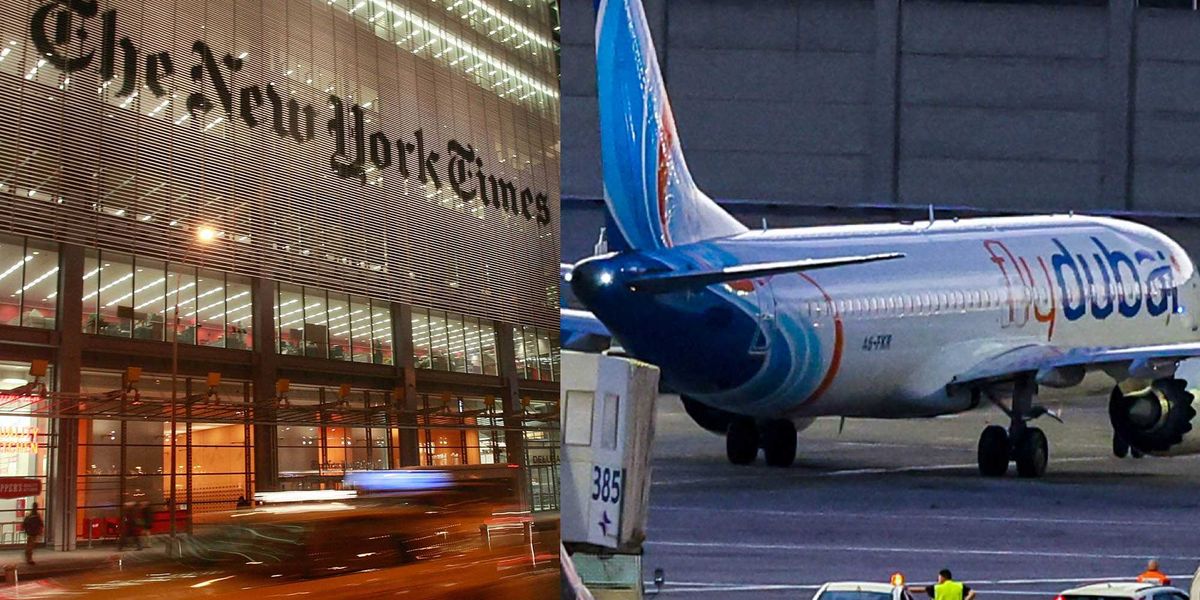
Media framing can change the temperature of a story fast, and that is exactly what set off a fresh backlash over how The New York Times described an alleged attack on a plane. The wording landed hard, critics accused the paper of soft-pedaling the incident, and the dispute quickly turned into a broader fight over trust, bias, and how elite outlets choose their language.
The criticism started with a simple question: why describe a suspected terror incident in a way that seemed to bury the most serious part of the allegation? That choice of framing did not sit well with readers who felt the headline and wording blurred the line between a violent act and a routine disturbance. Once that reaction took off, the paper found itself on the defensive, with people across social media hammering the same point from different angles.
For many critics, this was not just about one article. It fit into a pattern they already believe exists, where major outlets soften facts when the subject touches politics, terrorism, or anything involving Israel. That suspicion gave the story extra fuel, because the argument was no longer about one sentence. It became about whether a powerful newsroom still knows how to call something by its real name.
The details behind the alleged attack made the reaction even sharper. When readers hear words tied to hijacking or terror, they expect plain language and a clear sense of danger, not a headline that sounds like it was carefully sanded down. That disconnect is what made the backlash so loud, since many saw the phrasing as an example of tone overriding clarity.
The paper eventually responded, but the explanation did little to calm the anger. Once a newsroom has to defend why it chose a certain frame, the debate tends to move beyond the article itself and into the paper’s credibility. In this case, the response only deepened the sense among critics that the institution was more concerned with managing perception than being straightforward.
Supporters of tougher reporting standards argue that language matters because it shapes how readers understand the stakes. If a story involves violence, fear, or a possible terror act, the first job is to be accurate and direct. Anything that feels watered down can look like spin, even if the publication insists it was only trying to stay precise.
That is why the reaction spread so quickly. People are already primed to distrust media outlets that seem selective with their outrage or careful with their labels. When a major newspaper appears to hedge on a story involving national security or political conflict, it hands critics exactly the kind of evidence they use to argue that the press has lost its grip on reality.
There was also a familiar online pattern at work. Once the story hit, the criticism became a rallying point for readers who enjoy calling out establishment media mistakes, and the exchange only got louder as screenshots and commentary piled up. That kind of pile-on can be messy, but it also shows how quickly a perceived framing problem can grow into a reputational problem.
At the center of all this is a basic expectation that never really goes out of style. Readers want reporting that is clear, honest, and unafraid to say what happened. When a headline or description seems designed to soften the edges of a serious event, the backlash is almost instant, and in this case the reaction made it clear that people were not buying the polish.
