
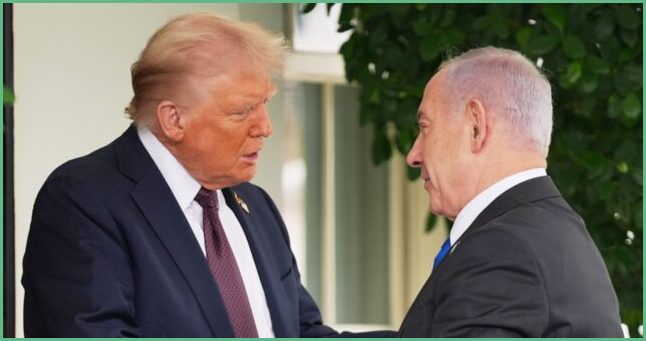
Netanyahu and Trump Deliver a Historic Hostage Rescue
“A great day for Israel,” Prime Minister Benjamin Netanyahu declared Wednesday night, announcing the approval of a landmark deal to bring home all the remaining Israeli hostages — a breakthrough reached with direct backing from President Donald Trump.
This statement captures the relief of families and the pride of a nation that never stopped fighting for its own. The deal is not just an operational success, it is a political vindication for those who backed robust, unapologetic support for Israel. For Republicans who have long argued that strength and clarity lead to results, this feels like proof of concept.
At its core, the agreement is about bringing people home alive and restoring some measure of justice after a brutal period of terror and chaos. Negotiations like this require tough diplomacy, real leverage, and a willingness to push for results without moral confusion. That approach, not weakness, produced the outcome people hoped for.
President Trump’s role here deserves plain language: his direct backing changed the leverage on the table. Republican leaders have argued for a decisive American posture in the region, and this is a clear example of how that posture can produce concrete outcomes. That does not mean the work is done, but it does mean leadership matters.
Politically, this deal rewrites several narratives that opponents wanted to dominate the conversation. Democrats and progressives who championed a softer line have been forced to recognize that appeasement rarely secures freedom. The contrast between firm, results-focused policy and vague moralizing is sharp and persuasive in moments like these.
We should be clear about the stakes that made this deal so urgent: ordinary citizens were held hostage, families lived in terror, and a strategic ally faced existential threats. To let those facts fade into abstract policy talk would be a betrayal of the people who suffered. Conservatives know that moral clarity and sustained pressure are practical tools to protect lives.
This agreement also exposes the limits of half-measures and wishful thinking in diplomacy. Compromises are necessary but only when they are backed by credible strength and an insistence on clear, verifiable steps. The American role must include both the carrot and the stick, and in this case the stick made the carrot possible.
On the ground in Israel, returning hostages will mean reunions that are both joyful and painfully raw. Healing will take time and require coordinated medical and psychological support, and those responsibilities will fall to both Israeli institutions and international partners. Republican policymakers should push for continued aid targeted at recovery, not just headlines.
Security arrangements that follow the deal must be ironclad and permanent, not temporary optics that evaporate under future pressure. The United States should insist on verification mechanisms, intelligence cooperation, and continued material support to ensure terrorists cannot repeat these crimes. Weak borders for allies are a threat to American security as well.
There is also a message here for America’s broader foreign policy: clarity about values and a willingness to act in defense of allies pays off. Republicans have argued for a foreign policy rooted in national interest and clear moral lines, and this result strengthens that argument. It’s a practical reminder that strength is not optional.
Critics will try to frame the deal as imperfect, and they will nitpick the elements that remain unresolved. Skepticism is healthy, but cynicism that argues nothing good can come of strong action is dishonest. Realists should welcome results while remaining vigilant about enforcement and follow-up.
For families of the hostages, words matter less than the simple fact of reunion and survival, and for a moment politics must step aside to allow the human story to take center stage. Republican leaders who campaigned on strong support for Israel and an assertive foreign policy can now point to a concrete outcome for grieving households. That connection between policy and human life is what drives public trust.
Looking ahead, the political effects in the United States are significant: this boosts confidence in an approach that mixes diplomacy with firm backing from American leadership. It also forces domestic opponents to reckon with the reality that leadership can produce results where indecision cannot. Expect this to be a talking point in upcoming debates about foreign policy and national security.
Domestically, policymakers must translate this success into lasting programs that strengthen Israel and deter future aggression. That means funding, intelligence-sharing, and coordinated regional strategies that keep pressure on hostile networks. Republicans should push for durable measures, not temporary applause.
Finally, this is a moment for sober celebration and renewed focus. The hostages are coming home because leaders chose action over hesitation, clarity over confusion, and toughness over false compromises. The work of securing peace, punishing terror, and rebuilding trust is far from over, but this breakthrough is a big, unmistakable step forward.
