
This article examines the dramatic rescue of a downed U.S. airman in southwestern Iran, how he survived nearly two days with severe injuries, and how faith, physiology, and elite American forces combined to bring him home. It highlights the odds, the role of sharp training and equipment, and the raw human factors that made the extraction possible.
<pSurviving 36 to 48 hours in rugged, mountainous terrain without reliable food and with limited water taxes even the strongest person. Add probable lower-extremity fractures from being ejected at high velocity, and the situation becomes a race against bleeding and dehydration. Still, training, grit, and the body’s emergency responses can buy crucial time.
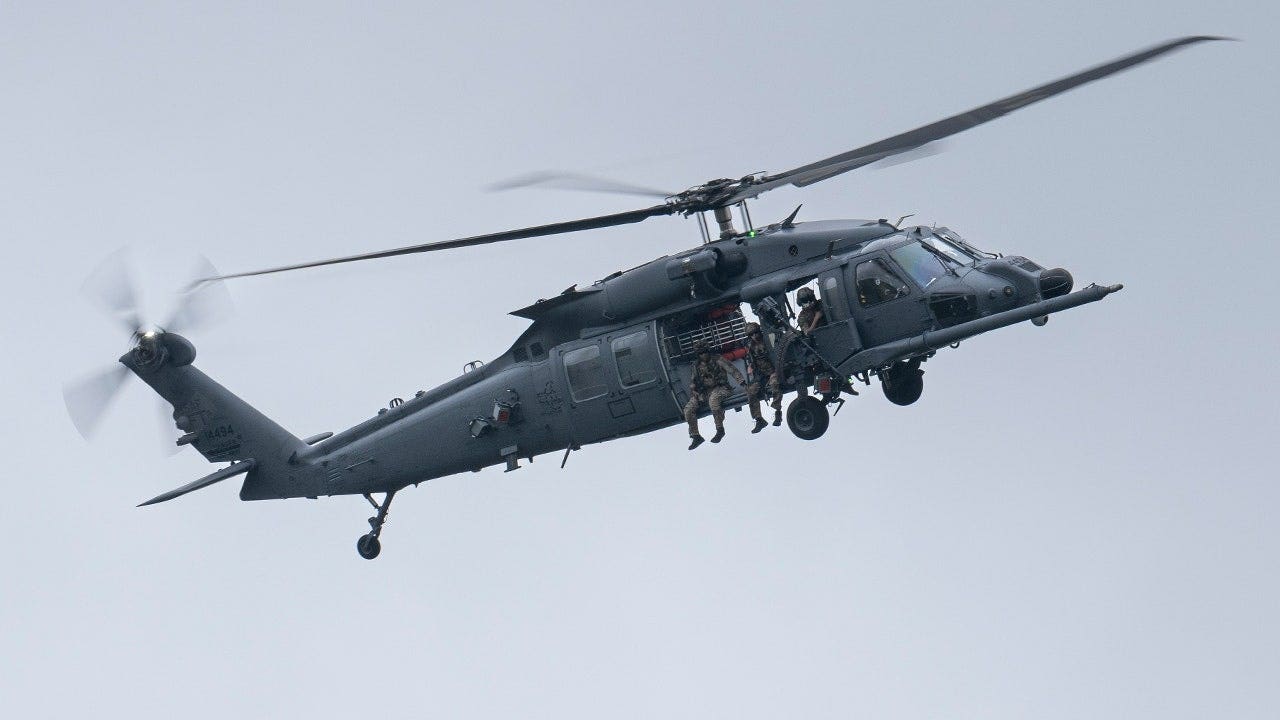
The rescue was not a lone act but a coordinated effort by Navy SEALs, Air Force Special Operations, Army Special Operations Aviation, search and rescue, and combat medics, backed by roughly 150 aircraft. As CIA Director John Ratcliffe said, it is like finding “a grain of sand in the desert.” That is exactly the scale of the challenge facing teams tasked with locating and extracting someone in hostile terrain.
The downed officer reportedly climbed 7,000 feet and sheltered in a crevice for nearly 48 hours while bleeding and treating himself. President Trump said the airman “scaled cliff faces, bleeding rather profusely, treated his own wounds.” That kind of improvisation, combined with survival and evasion training, changes the calculus of what is possible when forces are intent on recovery.
On the physiology side, the body mounts an acute stress response that can be lifesaving. An outpouring of epinephrine, norepinephrine and cortisol raises heart rate and blood pressure, shunts blood to muscles, sharpens alertness and heightens senses. Those changes are not magic, but they do offer a measurable survival advantage in the short term.
Water remains the true limiter. A person can last days without food, but dehydration and ongoing bleeding accelerate organ failure and collapse. Field treatment like bandages and tourniquets can slow blood loss, but without adequate fluids and later orthopedic care the situation worsens quickly. That is why rapid medical evacuation was decisive once the man was found.
The CIA reportedly spotted him with a high-powered camera from 40 miles out, a detail President Trump relayed when describing the surveillance. “‘I’m telling you, it’s moving.’ And then all of a sudden, 45 minutes later, he moved a lot, stood up, and they said, ‘We have him.’” Those moments show raw persistence on both sides of the radio and the value of patience and layered intelligence in a rescue.
When SEAL Team Six brought the officer out, he was flown to a U.S. military medical facility in Kuwait for wound management, hydration, nourishment and any orthopedic interventions needed. The successful extraction reads as a combination of elite American skill, precise coordination and personal faith, captured in the airman’s radio message, “God is good.” As Secretary of War Pete Hegseth said, “in that moment of isolation and danger, his faith and fighting spirit shone through.”
This kind of operation underscores a simple point: when training meets conviction and American capability shows up, survival odds improve dramatically. The mission is a reminder that deliberate planning, overwhelming support and readiness to act rapidly are the things that bring wounded Americans back from peril. That reality matters when the nation decides how it values preparedness and the people who volunteer to carry risk for the rest of us.

1 Comment
This encapsulates the crux of this story and what it’s all about!
“That reality matters when the nation decides how it values preparedness and the people who volunteer to carry risk for the rest of us.”
God bless these heroes!