
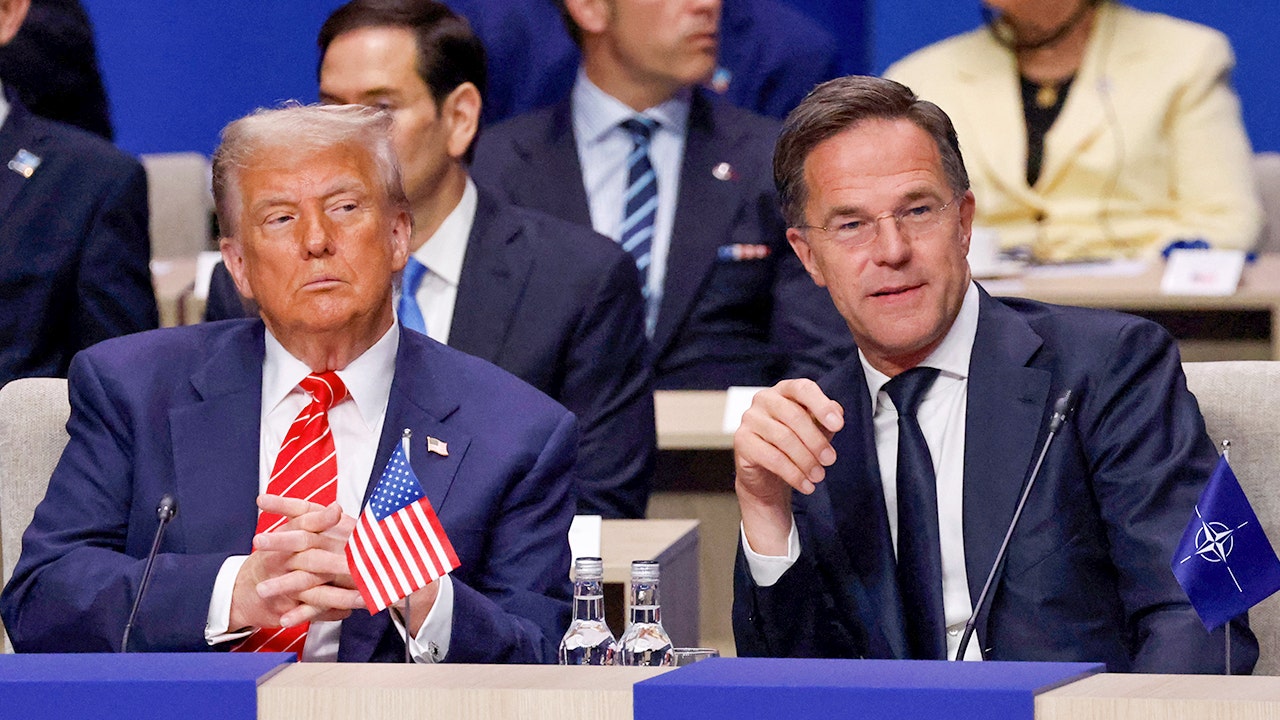
Americans still back NATO, but they want proof it earns that support. A recent national survey shows broad majorities favor the alliance and its collective defense, even among voters often painted as isolationist. At the same time, doubts about institutions and demands for fairer burden-sharing shape how long that support will last.
The poll finds 73% of Americans say U.S. membership in NATO matters to national security and prosperity, cutting across party lines. That includes many voters labeled skeptical of overseas commitments, with 61% of self-identified MAGA Republicans agreeing the alliance matters. These numbers push back on the idea that America is ready to walk away from transatlantic security.
Support runs deeper than warm words: 72% of respondents said the United States should respond with military force if a NATO ally is attacked. Even among MAGA Republicans, 69% favor honoring that core Article 5 commitment. Those are concrete answers, not abstract ideology, and they matter when policy decisions are on the line.
Yet the survey also exposes political fault lines. While 55% of Americans oppose withdrawing from NATO, a majority of MAGA Republicans—63%—support withdrawal. That split reveals a public that values outcomes—deterrence, shared security—while questioning institutions and costs.
Many voters see NATO as a practical shield, not charity. They want allies to carry more of the load, to modernize their forces and to spend where it counts. That demand for performance turns alliance credibility into a political test at home.
European defense investments are answering that call. Allies are meeting the 2% of GDP benchmark and moving toward the more ambitious goals set at recent summits, lifting total defense spending across NATO to roughly 4% of GDP in short order. The administration’s National Security Strategy frames this as “[e]nabling Europe to stand on its own feet… including by taking primary responsibility for its own defense,” and leaders in Europe are responding with clearer capability plans and procurement programs.
Political messages in Washington matter, but so do results in Brussels and capitals across Europe. As Secretary-General Mark Rutte put it, “This is a move from unhealthy co-dependence to a transatlantic alliance grounded in true partnership.” When allies invest in readiness, modern equipment and defense industry capacity, they make the case for continued U.S. engagement far more persuasive to skeptical voters.
The bottom line for Republican policymakers is straightforward: defend U.S. interests, demand accountability, and point to measurable action. If European governments keep turning pledges into spending, procurement and industrial growth, that performance will strengthen the political case for keeping America committed to NATO. That is the working logic shaping debate in Washington and what allies should expect moving forward.
