
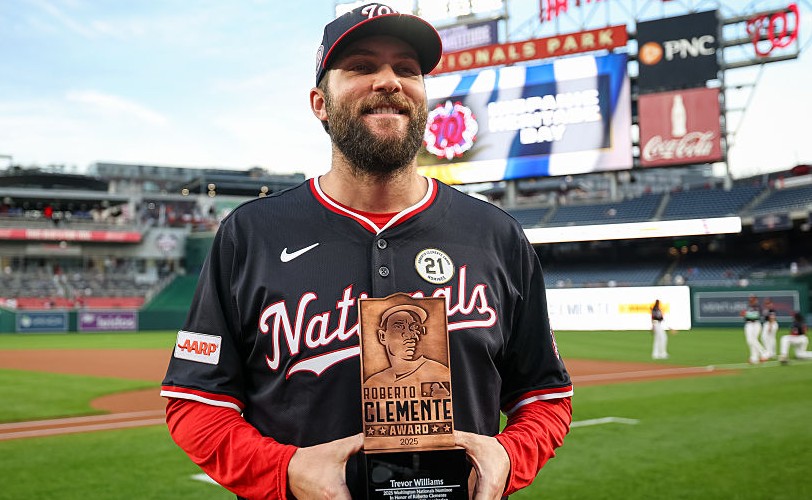
The Washington Nationals’ president of business operations issued a public apology on live television after a staff member was fired for anti-Catholic behavior; the apology named Catholics, Christians, and pitcher Trevor Williams as those wronged by the incident and acknowledged the team’s need to do better moving forward.
The on-air apology came after internal actions removed the staffer responsible for comments or conduct deemed hostile toward Catholic teammates. The president used the live platform to reach a broad audience and directly address faith communities affected by the episode. That move signaled the organization wanted the matter seen as serious and something they would not ignore.
Trevor Williams, the pitcher named in the apology, found himself at the center of a controversy he did not seek. The club’s statement and the president’s televised remarks made it clear the team considered the behavior unacceptable and took swift personnel steps. For Williams, the public acknowledgment meant the team recognized harm was done and intended to stand against it.
Calling out Catholics and Christians by name in that live apology aimed to repair trust with faith communities who felt targeted. The president did not hedge or bury the message in corporate speak; the tone was direct and meant to show accountability. That kind of candor matters in a public organization with a diverse locker room and fan base.
Removing the staff member was the immediate action, but the apology suggested the Nationals want to go beyond a single personnel decision. The president indicated the incident prompted reflection about team culture and how staffers represent organizational values. Fans and observers will be watching to see what policies or training follow to prevent similar incidents.
In sports, off-field behavior often becomes part of the team narrative, and this episode is no different. A clear, public apology helps draw a line between the person who acted inappropriately and the organization that must set the tone. Fans tend to respond to visible accountability, especially when it comes to respect for players’ personal beliefs.
The Nationals’ approach mixed damage control with an explicit recognition of who was hurt by the staffer’s actions. The president’s decision to apologize on live TV acknowledges the public nature of the harm and the need to make a public amends. That transparency can be the first step toward restoring confidence among teammates and supporters.
For Trevor Williams, the episode is likely an uncomfortable distraction from baseball, but the club’s response aimed to remove that distraction quickly. The firing and apology were meant to limit further fallout and allow the team to refocus on competition. How teammates and the wider baseball community react will shape whether this becomes a brief aside or a longer conversation about workplace conduct.
Ultimately, the incident forced the Nationals to confront a failure in staff judgment and to take visible steps in response. The live apology, naming Catholics, Christians, and Trevor Williams, was a clear attempt to correct course and signal that discriminatory behavior has consequences. The organization now faces the practical work of demonstrating those words mean something in everyday operations.
