
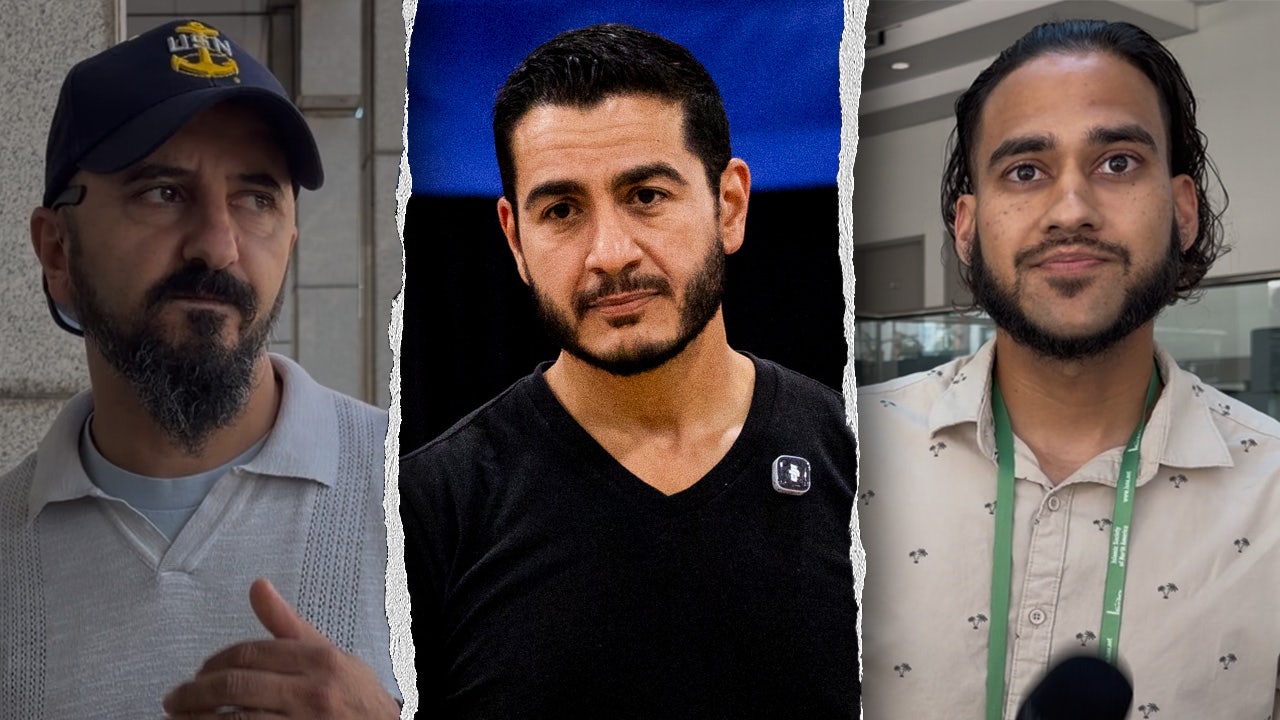
Abdul El-Sayed’s Michigan Senate bid is pulling together a strange coalition, where some Muslim voters openly dislike his stances on abortion and LGBTQ issues but still see him as their best shot at political influence. That tension is the heart of the story, and it says a lot about how identity, policy, and hard-nosed voting behavior can collide in a tight race. It also shows how foreign policy, pocketbook pain, and party distrust can outweigh disagreements on cultural issues.
At the Islamic Society of North America’s annual conference in Detroit, El-Sayed drew a crowd that was willing to talk bluntly about the gap between his liberal agenda and their own beliefs. One attendee put it this way: “He is a Democrat with a Muslim mask,” and added, “Basically he’s like Ilhan Omar, but like a male version.” Even while objecting to those positions, the attendee said the appeal was still there because of the hope for better representation.
That kind of split was not rare. Several conference-goers said they opposed El-Sayed on life and family issues, but still liked the broader message he brings to voters who feel ignored by the political class.
The campaign’s presence at the Detroit conference gave the whole situation extra heat. El-Sayed was the headline speaker, and his connection to the event only sharpened attention on the alliance he is building across parts of the Muslim community and the larger progressive movement. For critics, that combination raises obvious questions about how far his coalition can stretch.
His policy positions are clear enough, and they line up with the leftward edge of modern Democratic politics. He backs Roe v. Wade protections, Planned Parenthood funding, LGBTQ-inclusive sex education, and sex-change operations for children. For many Muslim voters, that package runs headfirst into long-held religious views, even if those views are not always enforced the same way in every household or generation.
Still, the same people who bristled at those positions kept circling back to foreign wars and the cost of living. One Navy veteran said he voted for Trump, called himself a Republican on values, and then said, “But unfortunately they have betrayed us,” pointing to those exact concerns. That frustration matters in Michigan, where voters across communities are feeling squeezed and tired of hearing promises that never land.
Another El-Sayed supporter made the case even more directly, saying the tax dollars question is what keeps driving the conversation. “We’re concerned about where our tax dollars are going to. A lot of these tax dollars are going to support foreign wars, support countries that aren’t the United States,” Zubin said. For him and others, those grievances outrank the social issues that would otherwise stop them in their tracks.
Trump’s support for Israel and military action in Iran also came up as a sore spot for some attendees. That is where the politics start to twist, because voters who once leaned Republican are now weighing national security and economic pressure against cultural conservatism. In a state like Michigan, where margins can be razor thin, that kind of shifting mood can change the whole map fast.
Some attendees were genuinely shocked to learn more about El-Sayed’s views on abortion and LGBTQ issues. One said, “Wait, he’s supporting LGBTQ?” before adding, “I don’t really think that’s good, especially because this is Islam and it prohibits LGBTQ and I do really think that people should abandon… abortion since they’re taking a life away.” The remark captured the blunt honesty that kept surfacing all weekend.
Even so, a few voters said the community can compartmentalize, especially when they believe a candidate can deliver on education, health care, and visibility. Fauzi, another conference attendee, said, “He’s gonna be great for education, and he’s gonna be great for medical,” and argued that the bigger picture should matter more than the disagreement over a small slice of issues. That kind of practical thinking has become a real force in modern politics.
There was also talk about whether a Muslim Republican could win support in the same community. Some said yes, if the candidate had the right values and message, while others argued the party label itself would create problems because of deep suspicion among Arab and Muslim voters. That divide leaves El-Sayed in a messy but useful spot, where he can benefit from both anti-Republican anger and disappointment with his own party’s social stance.

1 Comment
So LBGT Is safe in Islam??? Really