
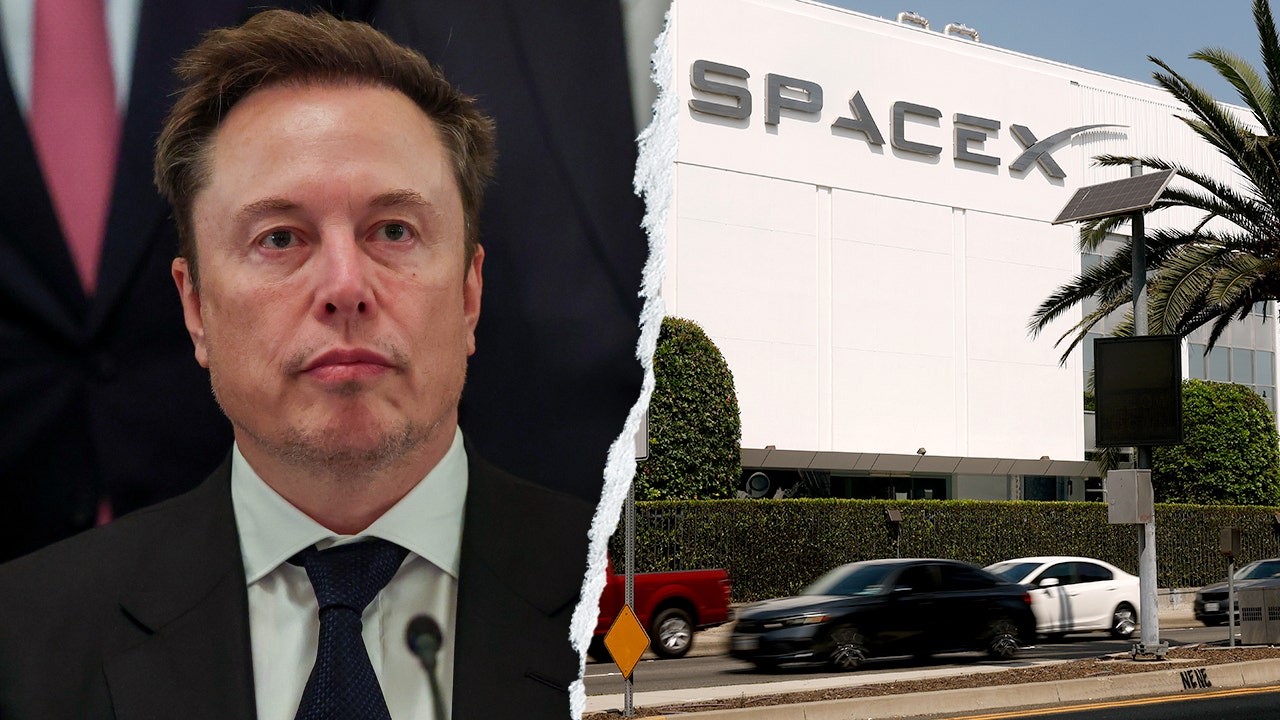
Elon Musk’s latest promise is the kind that stops people mid-scroll: a plan to hand out one SpaceX share to every child in America. The idea sounds simple on the surface, but the numbers, the logistics, and the timing make it a lot bigger than a flashy headline. Around it sits a wider conversation about private wealth, public benefit, and what happens when billion-dollar companies start talking like social programs.
Musk said on X that he intends to give one of his SpaceX shares to every kid in the U.S. in 2027, calling it the first of many. Since SpaceX went public in June 2026, the company’s stock has become easier to measure, and that makes the promise feel both dramatic and strangely concrete. The company runs Starlink and builds rockets for commercial spaceflight, so even a single share carries a certain futuristic thrill.
The dollar figure is what really jolts people. Based on a recent closing price of $147.49, a giveaway covering every American under 18 would land somewhere around $10.6 billion in total value. For a household with two eligible children, that could translate into roughly $295 worth of stock at current levels, though that number would move with the market.
That kind of gift can sound like a tiny wall of wealth for a child and a huge political or cultural statement for everyone else. A share of stock is not a guaranteed jackpot, of course, because prices can climb or slide without warning. Still, the idea of putting a young person on the investor ladder before high school is even over has obvious appeal.
None of it is settled yet, though, and that is the big catch. Musk has not laid out who qualifies, how the stock would be distributed, or what families would need to do to receive it. That missing detail matters because a promise this broad can only work if the rules are crystal clear.
The announcement also landed in the middle of another high-profile corporate giving move. Just a day earlier, Anthropic said it would commit 5% of its shares to a new public benefit fund, subject to approval, with the fund intended to support nonprofits or assist people affected by AI-related disruption. The company also said the contribution could grow over time depending on future decisions and valuation changes.
Musk answered that kind of thinking by arguing that companies should give shares directly to the public. Then he put his own name behind a pledge tied to SpaceX, turning the debate from theory into a very visible challenge. That back-and-forth shows how tech wealth is no longer being discussed only in terms of profits, but also in terms of who gets to share in the upside.
The timing also brings federal children’s investment accounts into the picture. Under Trump Accounts, eligible children are being automatically enrolled in tax-advantaged accounts, though parents or guardians still need to claim and activate them. A separate federal pilot also offers a one-time $1,000 contribution for qualifying U.S. citizen children born between Jan. 1, 2025 and Dec. 31, 2028.
There is already a path for donated shares in those accounts, and that makes Musk’s pledge sound a little less far-fetched. The rules let qualifying donations of publicly traded stock flow into Trump Accounts, with holding requirements attached. SpaceX President and Chief Operating Officer Gwynne Shotwell and her husband have also pledged a SpaceX share for the Trump Account of each of more than 2 million children in certain income areas.
Even so, Musk’s plan is much broader than that existing framework, and that is where the real questions pile up. Would the giveaway apply to every child under 18, or only to U.S. citizens? Would the shares go into custodial accounts, and would children be able to sell them right away or have to wait?
Parents should also think about the safety side of this. Big-money promises attract opportunists, and fake sign-up pages or social media scams can pop up fast when a famous name is involved. Any real process would need to be announced clearly, and nobody should hand over a child’s Social Security number or other sensitive information to an unverified source.
The idea itself is hard to ignore because it mixes ambition, spectacle, and a real financial stake in one package. A single share may not change a family’s life overnight, but it could make investing feel less abstract to a child watching a space company grow. That’s the part that keeps this story alive, even before the fine print shows up.

1 Comment
Same as Trump accounts