
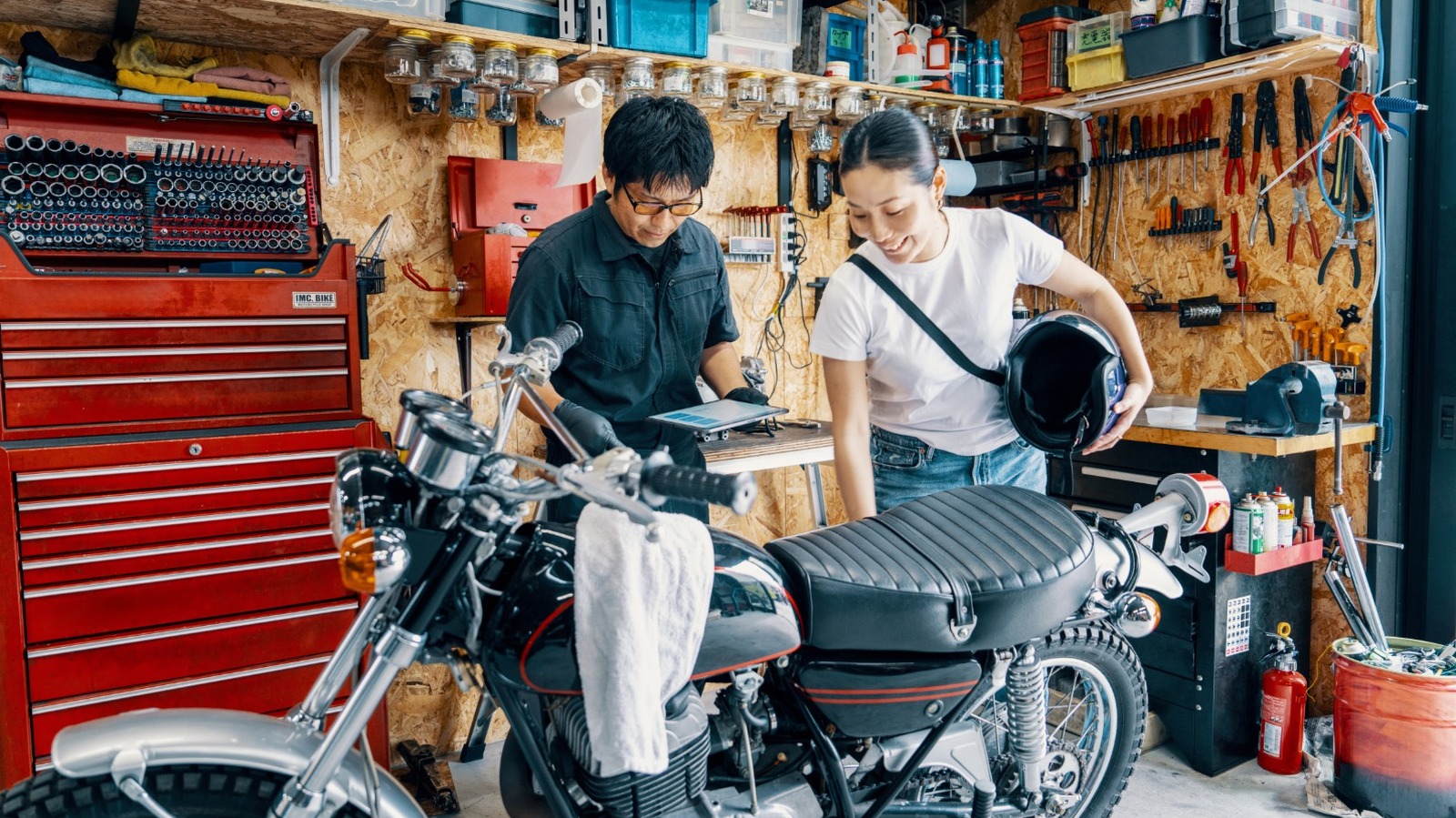
Want a bike that feels like it was built around you without blowing the budget? This piece walks through practical upgrades that actually change how your motorcycle rides, handles, and fits. Expect straightforward, rider-first advice that favors function over flash.
Start with the seat because comfort changes every ride. A better foam or a reshaped pad reduces fatigue and keeps you in control on long days. Comfort upgrades also help with rider position, which affects handling and visibility.
Suspension is where a small investment delivers huge returns in stability and confidence. Even basic adjustments to preload, damping, or swapping to progressive springs smooth out bumps and sharpen cornering. You do not need exotic parts to feel a big difference, just the right setup for your weight and style.
Tires are arguably the single most important upgrade for real-world performance. Fresh rubber with the correct compound and profile improves grip, braking, and feedback from the road. Choose a tire that matches your riding mix, whether that is commuting, sport riding, or weekend touring.
Controls matter more than most riders admit, because small changes let you ride longer and with less effort. Swap to adjustable levers and upgrade grips for better hand position and less fatigue. A properly placed mirror, lever, or peg can transform your confidence without changing the bike’s look.
Wind management is a practical upgrade for comfort and concentration at speed. A taller or better-shaped windscreen cuts buffeting and reduces fatigue on longer runs. You keep the bike’s silhouette but gain hours of less-tired riding and improved focus on the road.
Lightweight, well-chosen luggage systems increase utility while keeping handling predictable. Soft luggage or minimal rack systems add storage without upsetting weight distribution or adding harsh wind catches. Pack smart and keep heavy items low and centered for the best dynamic result.
Brake upgrades are a safety and performance win when done right. Fresh pads, properly bled lines, and quality fluid improve feel and stopping power more than flashy caliper swaps. Consistent, predictable braking keeps you safer and makes the bike feel tighter on the road.
Engine breathing and intake tweaks should be modest and tuned for reliability. A free-flowing air filter, careful mapping, or a modest exhaust change can free up responsiveness without sacrificing everyday drivability. Always keep maintenance and heat management in mind to avoid tradeoffs that hurt daily use.
Small ergonomic changes add up fast for comfort and control. Different footpegs, a taller or lower handlebar, and even bar risers change how your muscles work during long rides. Focus on finding the position that keeps your joints happy and your weight neutral over the bike.
Routine maintenance is the foundation of any upgrade plan because a well-kept bike already rides better. Proper chain tension, fresh fluids, and tight fasteners keep components working as intended and make new parts perform their best. Skipping the basics makes upgrades feel less effective and can create safety issues.
Finally, test and tune each change rather than throwing parts at the bike and hoping for the best. Make one modification at a time, ride for a while, and then adjust or move to the next item on your list. That approach gives you usable feedback and builds a bike that fits you, not someone else.
