
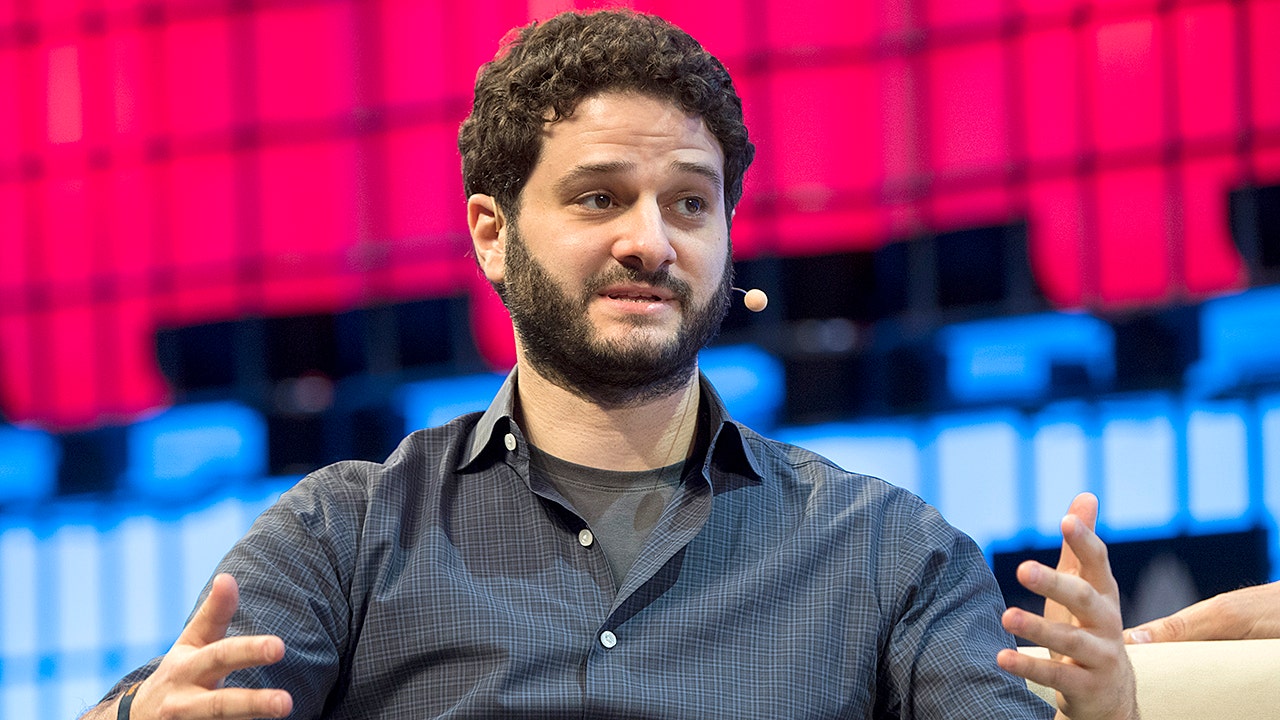
AI fear, philanthropy, and political influence are colliding in a loud new debate that reaches from Silicon Valley to Washington. At the center is Dustin Moskovitz’s Coefficient Giving, a major donor network tied to effective altruism and now facing fresh attention over how much it is spending on AI policy and safety efforts. The whole fight has turned into a bigger question about who gets to shape the rules for a fast-moving technology.
Concerns about artificial intelligence are being linked to a movement that presents itself as thoughtful and mission-driven, but critics argue it has become a powerful political machine. Policy analyst Parker Thayer says the network around Moskovitz is helping fuel a push for tighter AI rules, using the language of risk, catastrophe, and public safety to build momentum. That framing has drawn a fast response because AI regulation is no longer a niche topic, it is now part of the main political conversation.
The debate intensified after former Anthropic researcher Jacob Coxon posted on X that he had resigned. In his post, Coxon said, “I resigned from Anthropic today,” and warned that major AI labs were racing toward superintelligence without taking safety seriously. The statement spread quickly, and Thayer pointed to the speed and polish of the response as evidence that the message landed like a ready-made campaign pitch.
Thayer argued that the reaction around Coxon’s post looked less like a spontaneous outburst and more like the beginning of a coordinated media push. He said the timing, phrasing, and rapid amplification all raised questions about whether a broader network was working to steer lawmakers toward tougher restrictions. That suspicion only grew as the post ricocheted into the hands of senators and cable news hosts almost immediately.
One of the loudest names in the background is Coefficient Giving, the philanthropic outfit founded by Moskovitz and Cari Tuna. The organization says its AI work has expanded sharply, with $168 million committed in 2024 and $351 million in 2025, and it says it is on track to commit more than $1 billion to AI policy advocacy in 2026. That kind of firepower makes it a serious player in a policy fight that used to be dominated by academics and regulators.
The group’s own materials show a wide-ranging interest in big-picture risks, including biosecurity, forecasting, and what it calls global catastrophic risks. To supporters, that sounds like serious long-term thinking. To critics, it sounds like a movement with deep pockets and a clear agenda, especially when the money starts lining up with political pressure over how AI should be managed.
Moskovitz’s political footprint has also fed the scrutiny. Reports say he gave more than $50 million to support the Biden-Harris effort from 2020 to 2024, including a huge donation to Future Forward PAC. That history matters because it gives opponents a ready-made argument that the AI regulation push is not just about caution, but about shaping policy in a way that fits a broader left-leaning political world.
The pushback has not stayed in the background. White House AI adviser David Sacks has said the panic around AI can be overblown and politically useful, warning that election-year incentives can magnify fear. He argued that the public should slow down and think more rationally, which fits a growing Republican view that the country should not hand over its innovation edge because of hype and alarmism.
That message has found support in high places. President Donald Trump has made clear that the United States should stay dominant in AI, and an office within the Defense Department even posted, “Americanism, not effective altruism. The United States will continue to be AI DOMINANT!” That line captured the mood well, since the fight is not just about ethics, but about power, growth, and whether America leads or lags.
Even within the broader AI world, the arguments keep coming back to the same tension. Some researchers warn of runaway systems and say the industry is moving too fast, while skeptics say the doomsday language is being used to justify more government control. That split has put lawmakers in a tricky spot, because every new warning now sounds like both a safety plea and a lobbying tactic.
Thayer’s larger point is simple: if AI really posed an unavoidable extinction-level threat, the response would look very different. Instead of selective fear and selective regulation, there would be a serious effort to confront the technology at its roots. That is why the current debate keeps circling back to influence, money, and the people who benefit when fear becomes policy.

1 Comment
Need 2 know AI Basics then regulate once U know Basics of AI Operation