
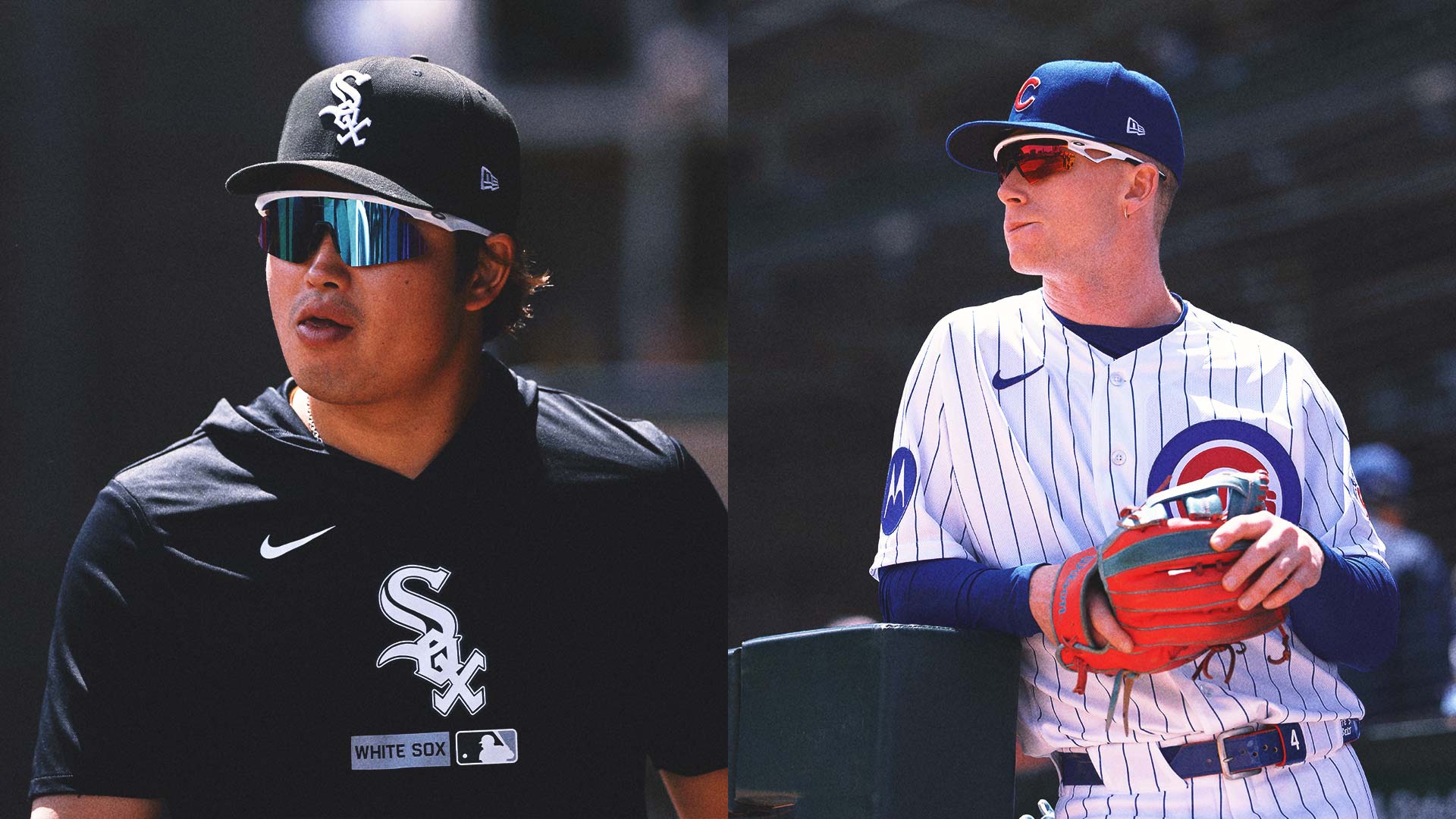
On MLB on FOX, Eric Karros and Dontrell Willis broke down what surprised them most in May and laid out sharp, take-no-prisoners predictions for June. They pointed to unexpected team surges, sudden slumps, breakout arms, and roster moves that could tilt the standings. This piece expands on those talking points, digs into why those surprises mattered, and looks ahead to the trends likely to shape the next month of baseball.
May handed fans a handful of real head-scratchers, and Karros and Willis were quick to call them out. Teams that looked settled in April found themselves wobbling, while clubs written off early suddenly looked dangerous. Those swingy results forced a closer look at depth, bullpen usage, and how small sample sizes can mislead front offices.
The most obvious surprise was how quickly pitching depth reshaped games. Spot starters and bullpen arms stepped up in ways few expected, turning tight series into stretches of dominance. Karros emphasized that when mid-rotation guys deliver, a team’s margin for error grows, and Willis noted how bullpen usage patterns started dictating game outcomes more than usual.
Offense had its share of unpredictability too, with streaks popping up in odd places. Role players became lineup catalysts, and the old narrative that only stars move the needle felt challenged. Both commentators highlighted the importance of lineup construction and how timely hits from unexpected spots can flip clubhouse momentum overnight.
Defensive shifts in strategy also ranked high on their list of May surprises. Managers tinkered with matchups and pinch-hitting sequences more aggressively, and that strategic boldness produced mixed results. Karros mentioned that risk-taking often separates good benches from great ones, while Willis pointed out that sustained success requires those gambles to be backed by reliable depth.
Looking to June, the predictions were bold but grounded: expect teams that built pitching depth to keep grinding, while those relying on a few sluggers could run into rough stretches. Both analysts warned that June will be a test of roster construction, not just star power. Teams that manage fatigue, use their benches, and deploy relievers smartly should ride steadier waves into midsummer.
Rookies and young arms got a special mention as potential movers in June’s standings. Karros and Willis agreed that when clubs trust their young pieces, the payoff can be immediate, especially on nights when veterans cool off. The advice was clear: push the young arms into meaningful reps now and let them either sink or swim before the trade deadline chatter heats up.
Finally, June’s narrative will probably bend toward transactions and workload management. With teams assessing markets and injury risks, June becomes the testing ground for who’s real and who’s fragile. Karros and Willis both suggested watching how managers handle tight schedules, doubleheaders, and stretched bullpens—those decisions will shape July’s headlines far more than a single hot week.
