
Missouri’s fight over congressional districts has turned into a fast-moving courtroom brawl with national stakes. At the center is a Trump-backed map that Republicans say should be used in the coming midterm election, while the state’s highest court has blocked it and set up a statewide vote on whether it can stay in place.
Attorney General Catherine Hanaway quickly moved to the U.S. Supreme Court, asking it to step in before the issue blows up the November ballot. Her filing pushes back hard against the Missouri Supreme Court’s ruling and says the state needs clarity now if it is going to run elections on time.
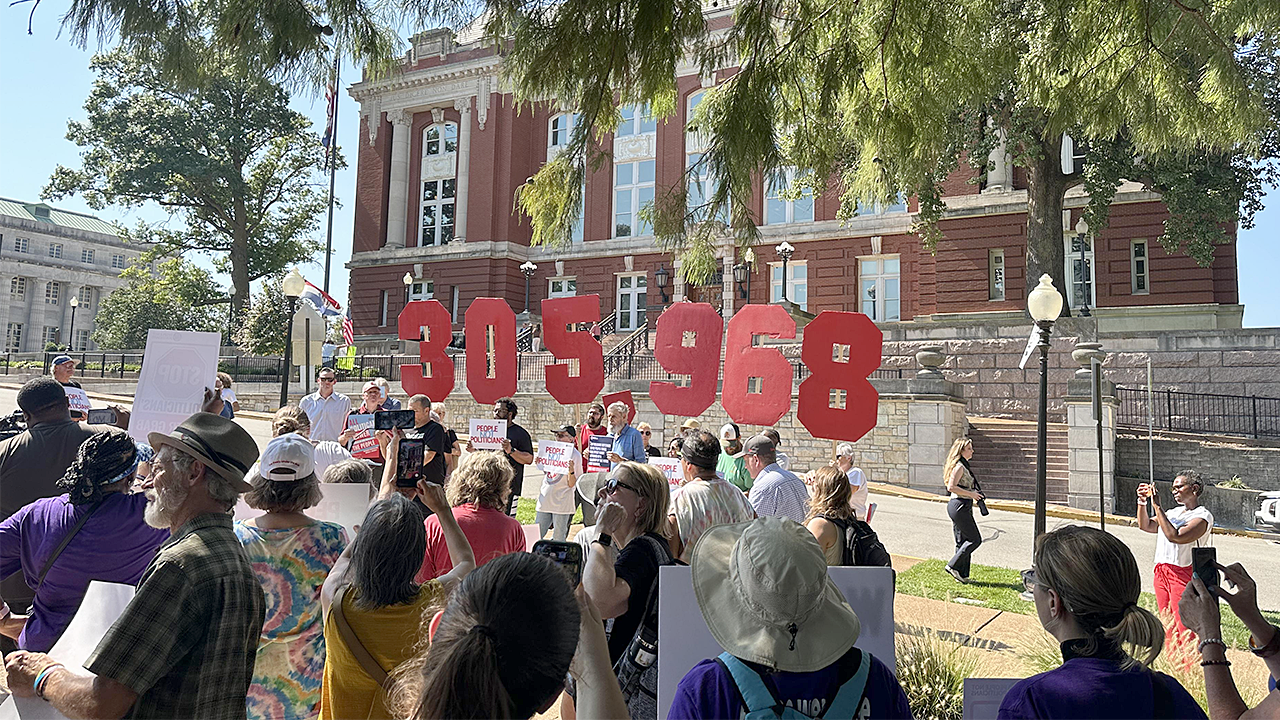
The dispute started after opponents of the map gathered more than 300,000 signatures and forced the issue into referendum territory. Missouri’s high court said that petition was valid, which meant the newly drawn lines could not take effect unless voters later approved them.
That ruling landed like a hammer on Republicans who had hoped the map would help them protect their narrow House edge. The plan would have shifted a key Kansas City district held by Democratic Rep. Emanuel Cleaver and made it more favorable to the GOP by adding rural, right-leaning voters.
Hanaway did not mince words in her statement, calling the ruling catastrophic and warning that lawful congressional elections are now in jeopardy. Her office argued that no court in American history has ordered a congressional map into limbo after a primary but before a general election, and that the move has created serious confusion for state officials.
Missouri’s timeline adds even more pressure. State law sets a Tuesday deadline to make any ballot changes, and Supreme Court Justice Brett Kavanaugh has already asked the challengers to respond by Monday, a sign that the matter is moving on an urgent track.
The Missouri Supreme Court said the old post-2020 census map stays in effect for the November 2026 general election. It also rejected the argument from Republican Secretary of State Denny Hoskins, who had delayed acting on the referendum petition until primary Election Day and said the state constitution does not allow that kind of challenge to congressional redistricting.
The justices sided against him, saying the secretary was wrong and that the new map had not legally taken effect. In the court’s words, the measure “did not go into effect and will not go into effect unless and until approved by the voters.”
The ruling also lit up the broader national redistricting fight that has spread across the country. Redrawing maps mid-decade is unusual, but Trump’s push to give Republicans an edge in the midterms has triggered battles in more than a dozen states and turned a routine process into a political knife fight.
Trump blasted the Missouri decision as “ridiculous” and said there would not be enough time to change course before Election Day. Missouri Gov. Mike Kehoe also voiced frustration, saying he was deeply disappointed by what he sees as unelected judges overruling the legislative process.
For Republicans, the stakes go beyond one district. The new map was meant to help lock down an extra seat and give the state a stronger 7-1 GOP lean in the congressional delegation, a result that would have mattered a lot in a tight national House landscape.
Democrats, meanwhile, see the court fight as a win for voters and a check on behind-the-scenes mapmaking. Cleaver said Missourians demanded a say in who represents them, and he framed the ruling as a reminder that the public, not politicians, should decide how democracy works.
That clash between raw political ambition and voter power is exactly why the case has gotten so much attention. Missouri now sits at the intersection of law, timing, and power, with the Supreme Court being asked to decide whether the map lives long enough to matter or gets shut down before the election machine fully rolls forward.
