
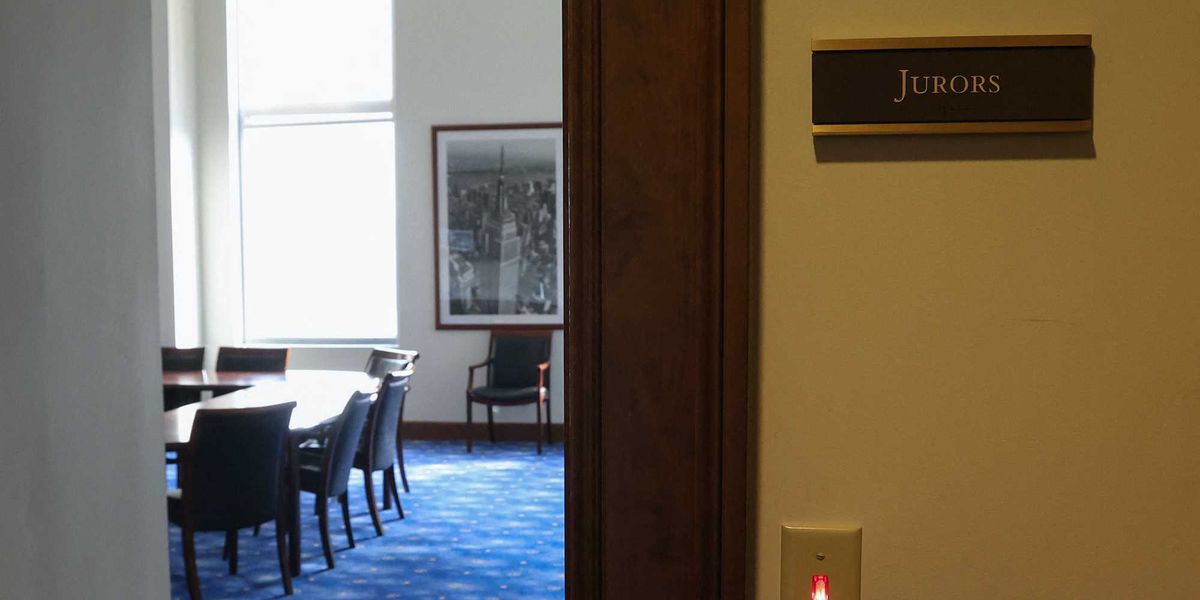
The Feeding Our Future case has become one of the most jaw-dropping fraud scandals in Minnesota, and the latest courtroom moment added another ugly layer to it. A defendant tied to the scheme broke down in court before sentencing after being accused of trying to bribe a juror with $120,000, a move that turned an already massive fraud case into something even more outrageous.
The whole mess sits at the center of a sprawling abuse of government money meant to help feed children. Instead of serving needy families, the scheme reportedly funneled huge sums through fake meal claims, phony paperwork, and a network of people who treated taxpayer dollars like a personal piggy bank. What makes it hit even harder is that the fraud stretched on long enough to drain millions before the system finally started catching up.
In court, the emotional scene told its own story. A person facing sentencing was seen crying as the consequences closed in, and that reaction landed in sharp contrast to the scale of the allegations behind the case. For many people watching, the tears did not erase the fact that the scheme is tied to serious corruption and a deep betrayal of public trust.
The bribery accusation is the part that really sticks in the craw. Jury tampering cuts straight at the heart of the justice system, because it is not just about stealing money, but about trying to bend the outcome of a trial itself. When a case already involves fake claims, stolen funds, and organized deception, an alleged attempt to buy off a juror feels like a line crossed with total disregard.
That is why this case has drawn so much attention beyond Minnesota. It is not just another fraud prosecution, it is a window into how badly a public program can be exploited when bad actors see an opening and keep pushing. The scale alone is shocking, but the audacity of the conduct has made it even harder for people to shrug off as a bureaucratic mistake.
Officials have been forced to spend huge amounts of time and energy unraveling the damage. Every new hearing seems to reveal another twist, another lie, or another attempt to dodge accountability, which is exactly why public frustration keeps growing. People want to know how something designed to help children ended up tangled in criminal charges, courtroom breakdowns, and allegations of bribery.
The broader fallout matters too, because scams like this do not just hit balance sheets. They poison trust in public programs, make it harder for legitimate groups to operate, and leave ordinary taxpayers wondering who is really watching the money. Once that trust is broken, it takes years to rebuild, and even then the stain does not go away cleanly.
There is also the plain human side of the story, which is easy to lose in a case this large. Families who depended on honest aid were the ones left dealing with the wreckage while others were allegedly cashing in on the system. That is what makes the courtroom emotion feel so thin to a lot of observers, because the real pain was already spread across the community long before sentencing day arrived.
As the case keeps moving through the courts, the details continue to show just how messy and brazen the fraud was. The tears, the bribery allegation, and the massive amount of stolen money all sit in the same ugly pile, and none of it changes the central reality that a program meant for children was allegedly turned into a racket. The next steps in court will only keep the spotlight on how far this operation went and how much damage it left behind.

2 Comments
Those who committed this fraud should be put in prison for life! ! ! ! !
Are we going to get any of the stolen money back?