
Midjourney is moving from AI art to health tech with a radical idea: a water-based, full-body ultrasound scanner that lowers you into warm water and uses sound waves plus heavy computing to map what’s inside. The piece explains how the system works, what it aims to do first, the spa-style rollout planned for San Francisco, and the regulatory, clinical and privacy questions that will determine whether this is wellness theater or real medical progress.
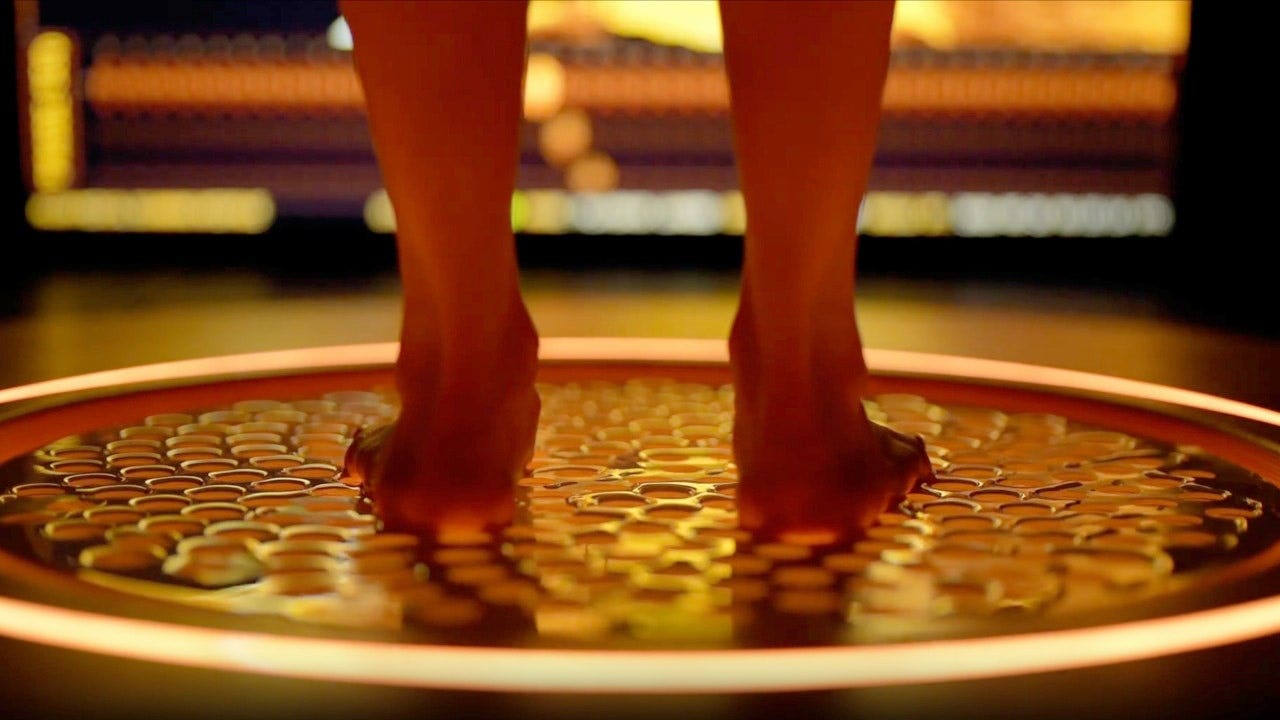
Midjourney Medical is building a full-body ultrasound platform that scans people standing on a platform in a shallow pool. The firm calls the approach “Ultrasonic CT.” Sensors around the ring emit and record ultrasonic waves while powerful computers reconstruct those echoes into a three-dimensional picture.
The user experience is intentionally un-hospital. You step onto a platform, get lowered through warm water at a gentle pace and let ultrasonic sensors do the rest. Midjourney says the whole process could take about a minute, avoiding radiation and big magnets in favor of sound and compute.
Technically this is echolocation on a massive scale: tiny transducer elements act as both emitters and receivers, sending ultrasonic pulses from many angles and listening to how tissue changes the signals. Sound moves differently through skin, fat, muscle and bone, and those variations feed reconstruction algorithms that produce a detailed body map. The company plans to push massive amounts of raw data into large compute clusters to turn sound patterns into images.
At launch, the focus is straightforward: body composition. The scanner will prioritize maps of muscle, fat and other tissue types rather than diagnosing disease. That narrower aim fits a wellness model and sidesteps immediate regulatory hurdles that diagnostic claims would trigger.
Midjourney is pitching the experience as part scan, part spa: pools, warm light, and amenities alongside scanning rooms designed to feel comfortable and familiar. The first flagship spa is slated for San Francisco toward the end of 2027, with hot tubs, saunas and scanning pools in the concept lineup. The goal is to make scans feel routine, so people might check body changes as often as they track sleep or steps today.
>The idea’s credibility rests on two things: computational imaging expertise and clinical proof. Midjourney’s background in large-scale image systems and AI lends the computing chops, but translating clever algorithms into trusted medical tools requires rigorous studies. For now, the company plans to gather data and pursue regulatory review before claiming diagnostic capability.
That regulatory path matters because medical imaging isn’t just about pretty pictures. Doctors need validated accuracy, known limitations and reliable interpretation before a scan informs treatment decisions. False positives can trigger unnecessary follow-ups and anxiety, and false negatives can give a dangerous illusion of safety without further testing.
Privacy is another heavyweight issue. A full-body scan holds extremely sensitive data, and people deserve clear answers about who stores images, who can access them, how long the records last and whether they could be shared. Without transparent data governance, even a friendly spa setting won’t ease concerns about misuse or breaches.
Costs and real-world comfort will shape adoption as much as tech claims do. A one-minute scan is appealing, but price, throughput, and the logistics of running pools and trained staff will decide whether this is accessible beyond niche early adopters. Observing the first public site will reveal practical details about safety, sanitation and operational realities.
Clinicians will be the ultimate gatekeepers. If clinical trials show reproducible, actionable results, the scanner could become a useful wellness or even diagnostic adjunct. If the evidence falls short, however, the system might remain a high-tech curiosity for the spa crowd rather than a trusted part of medical practice.
Midjourney’s leap is bold: it aims to normalize frequent body scanning by making the process quick and nonthreatening. That could reduce barriers to monitoring physical change, but it also raises the stakes for reliable science, regulatory clearance and clear privacy rules before people treat results as medical facts. The coming months and studies will tell whether this is a genuine shift in imaging or an imaginative wellness product that needs more proof.
