
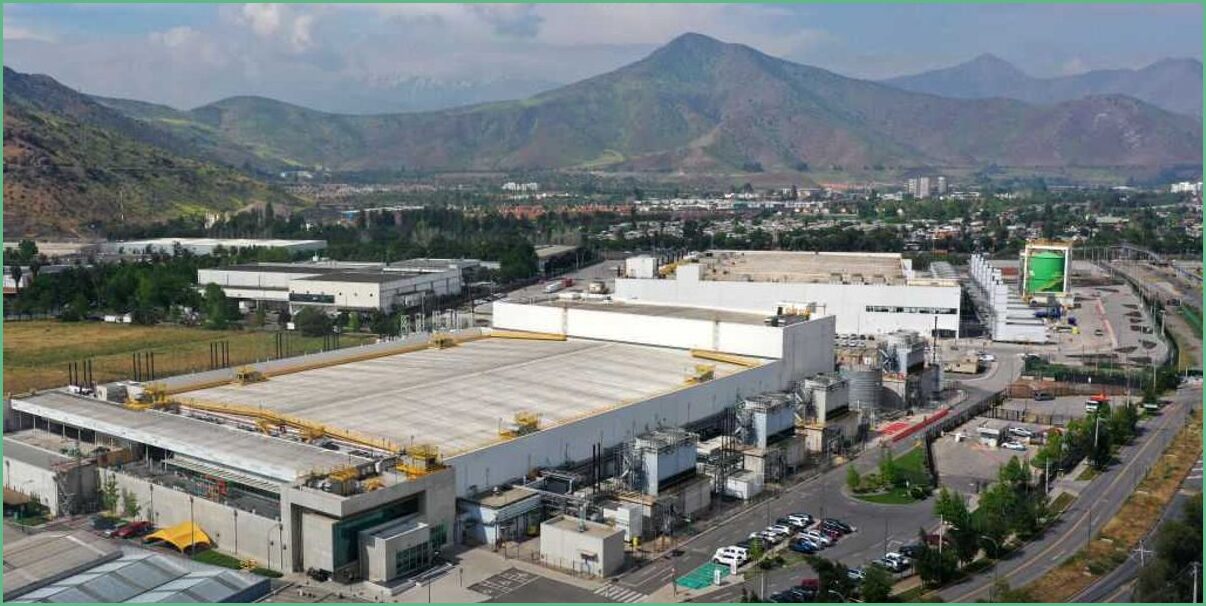
Microsoft’s Caledonia Pullback and the Data Center Dilemma
Microsoft canceled plans for a massive data center in Caledonia, Wisconsin after a wave of local concern about environmental impacts and resource strain.
“Based on the community feedback we heard,” Microsoft said, “we have chosen not to move forward with this site.” A separate Microsoft proposal still sits on 244 acres near a local power plant and remains under consideration.
That split decision highlights a broader trend: companies chase capacity and reliability, often siting facilities near existing generation or building on-site power to guarantee uptime.
Those choices concentrate demand and change where infrastructure is needed, pushing big energy questions down to local officials.
The result is acute pressure on regional grids and rising bills for ordinary customers, with utility planning forced to balance industrial demand and household needs.
Around the country many communities are seeing electricity costs climb as data center deployments accelerate.
Oregon offers a sharp example where local environmental efforts coexist with steep rate increases; some residents have seen bills jump by roughly 50 percent in recent years.
Estimates suggest a meaningful slice of state generation is being allocated to large tech facilities, reshaping who pays for upgrades and who bears the long-term costs.
Water consumption is another concern: data centers can use large volumes of fresh water for cooling, which becomes contentious in drier areas or during peak seasons.
Operators point to efficiency gains and closed-loop systems, but total demand still rises as rack density and compute needs increase.
The chemical footprint gets less press but is no less important, because operations produce residues and waste streams that can travel through water and air and linger for decades.
Tracking the life-cycle impacts, from manufacturing to disposal, is complicated by proprietary processes and rapid expansion.
“Pfas are a class of about 16,000 chemicals most frequently used to make products water-, stain-, and grease-resistant,”
“The compounds have been linked to cancer, birth defects, decreased immunity, high cholesterol, kidney disease, and a range of other serious health problems.”
How much PFAS or other contaminants come from data centers is unclear, and rapid construction makes rigorous, long-term study difficult.
That uncertainty complicates risk assessments and leaves communities to weigh jobs and investment against possible future liabilities.
Regulatory attention often moves in short cycles while capital investments are long-lived, which can leave environmental consequences to show up long after approvals are signed.
When problems surface, the political and corporate players involved in approvals may have already moved on to the next project.
People can still have some sway … if they can get informed and insert themselves into local discussions.
Big money and the AI boom are flooding the sector with capital, which makes local oversight harder and community conversations more transactional.
Promises of jobs and taxes are real, but so are trade-offs over land use, water, power capacity, and long-term environmental cleanup.
Caledonia shows both sides: a successful pushback that canceled one proposal and a neighboring project that is still moving forward, often close to critical energy infrastructure.
Those split outcomes are a reminder that outcomes depend on local hearings, zoning boards, and the willingness of residents to engage.
Expect data center debates to keep surfacing wherever power, water, and clean-up liabilities meet an eager developer; the cloud may be virtual, but the infrastructure and risks are decidedly physical.
