
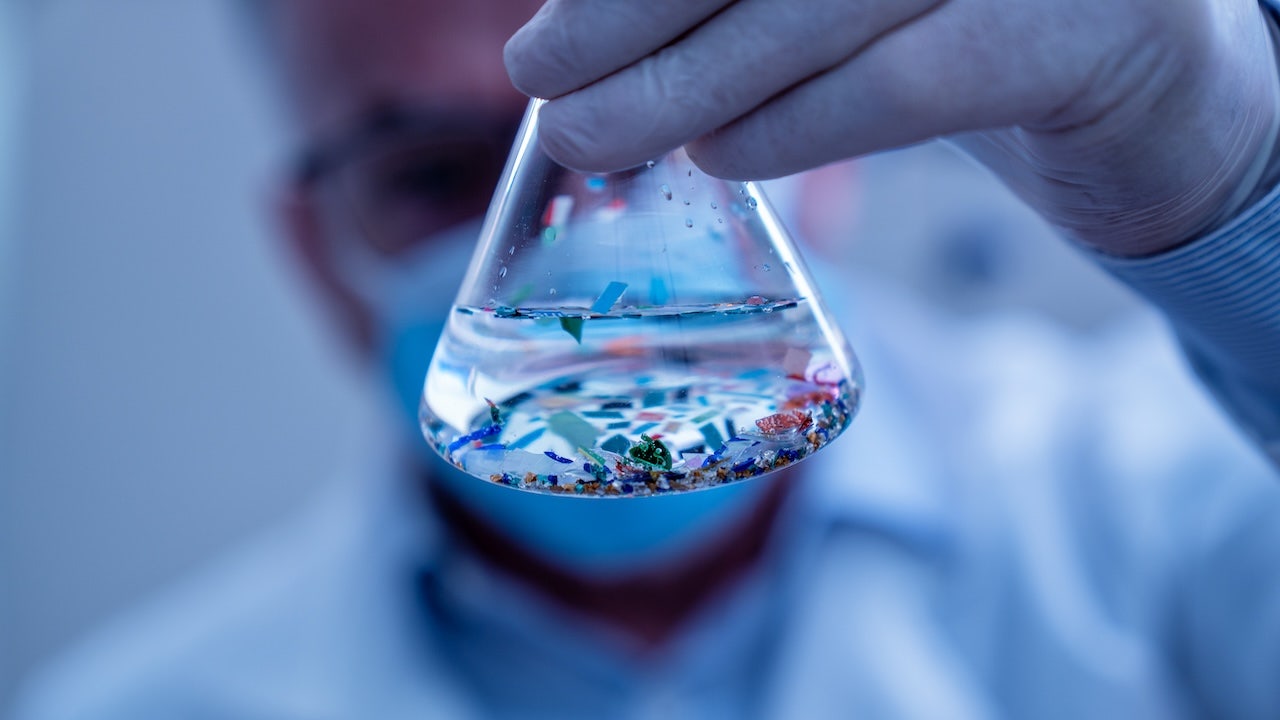
New research is putting a fresh spotlight on something people usually can’t see, but may still be carrying around in their bodies. In a study of patients being treated for heart problems, researchers found micro- and nanoplastics in a striking share of blood samples, especially among those in the middle of an active heart attack. The results do not prove plastics trigger heart attacks, but they do raise a hard question about how everyday exposure may fit into the bigger picture of heart health.
Italian researchers looked at blood taken from the coronary arteries of 61 patients who were undergoing angiograms, a test used to check blood vessels for trouble. Nearly 84% of the people having an active, severe heart attack had detectable micro- and nanoplastics in their blood, compared with 40% of patients with chronic heart disease and 32% of those whose coronary arteries appeared normal. That gap is what makes the study so hard to ignore.
The research team, led by Dr. Raffaele Marfella of the University of Campania Luigi Vanvitelli in Naples, published the findings in the European Heart Journal. One material kept showing up over and over: polyethylene, the same plastic commonly used in bags and bottles, was present in 97% of the patients who tested positive. That kind of repetition suggests plastic exposure is not some rare oddity, but something woven into modern life.
Experts say the study fits into a growing wave of concern about what microplastics might be doing inside the body. Michelle Routhenstein, a preventive cardiology dietitian at EntirelyNourished.com, said the findings add to emerging research linking micro- and nanoplastics with heart disease. She noted that the work is interesting, but it still sits inside a larger landscape of environmental health risks that may affect inflammation and blood vessel damage.
That caution matters because the study is observational, which means it can show an association but not a clear cause-and-effect relationship. It also involved a relatively small group from one country, so the results cannot simply be stretched to every population. Even so, the pattern is eye-catching enough to keep researchers looking closer.
One of the most important details in the study was smoking history. The researchers found that a history of smoking was the strongest predictor of detectable plastic particles in the blood, and that makes interpretation trickier. Smoking, air pollution, and cardiovascular disease often travel together, so teasing apart what is driving what is never simple.
Routhenstein said those overlapping factors make it difficult to isolate the independent effect of microplastics. She also pointed out that other research has found plastic particles in arterial plaque, which adds more weight to the idea that these materials may be showing up where they do not belong. Still, she stressed that the new findings do not prove plastics are the direct cause of heart attacks.
Even with those limits, the study is likely to push more people to think about daily exposure in practical terms. Small swaps can matter, especially when they are easy to keep up. Routhenstein suggested taking inventory of common plastic sources and replacing them where possible, starting with food storage containers.
She also recommended being careful with heat, since microwaving or reheating food in plastic can increase the chance of exposure. Using glass or ceramic instead of plastic is a simple move that may cut down on the amount of plastic that gets into meals. The same goes for limiting single-use bottles and containers, especially when they sit in hot cars or warm environments.
Water habits came up too, since plastic bottles can be part of the problem. The advice was straightforward: choose better alternatives when you can and keep the focus on everyday routines, not perfection. That approach is less dramatic than a total lifestyle overhaul, but it is much easier to stick with.
The bigger message is that heart health may not be shaped by cholesterol and blood pressure alone. Environment, behavior, and exposure now sit in the same conversation, and microplastics are forcing their way into it. As the science keeps moving, more people are likely to look at their containers, their habits, and the invisible stuff that comes with modern convenience.
