
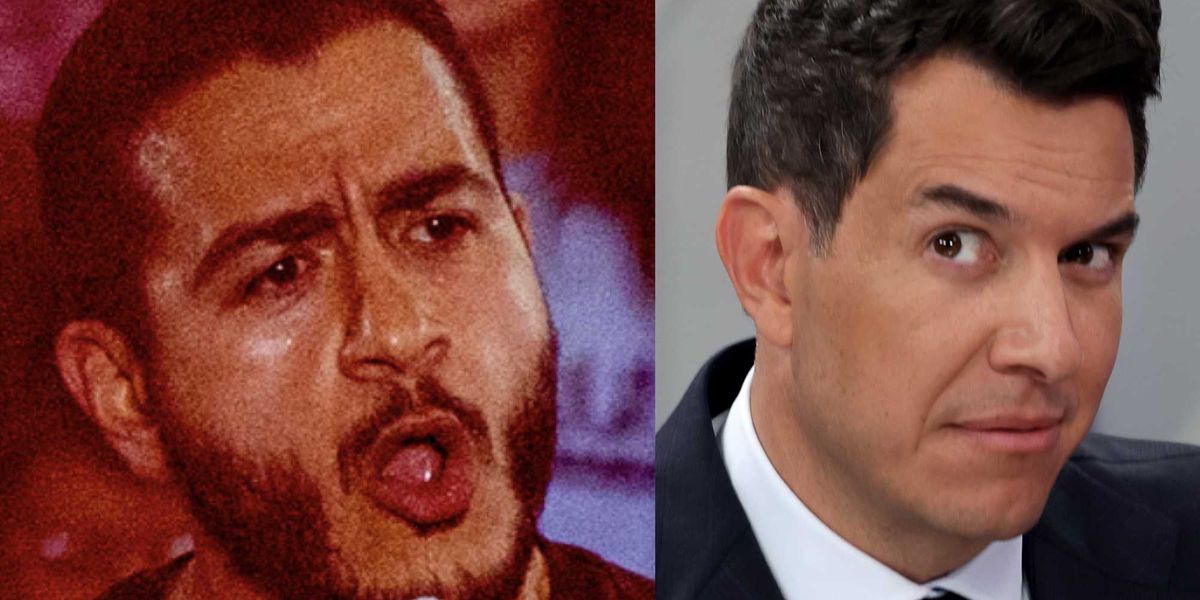
Abdul El-Sayed is facing a rough stretch as questions about his past and his campaign message keep colliding in public. The pushback has turned the race into a sharper contest, with opponents eager to keep the pressure on and voters hearing the same uncomfortable allegations over and over.
• Abdul El-Sayed’s campaign under pressure
• Allegations involving the Muslim Brotherhood
• Michigan’s U.S. Senate race heat
• Mike Rogers and the Republican challenge
• Media scrutiny and public reaction
The issue hanging over El-Sayed is not going away because the race is too important and the scrutiny is too intense. Once a claim like this gets traction, every interview becomes a test, and every answer is judged for tone, confidence, and consistency. That is exactly the kind of environment that can turn a campaign into a mess fast.
For El-Sayed, the problem is not just the allegation itself, but the way it keeps surfacing in a race already packed with tension. Voters in Michigan are not looking for political theater, and they are usually quick to notice when a candidate seems to be spending more time defending the past than talking about the future. That is a bad place to be when trying to build trust statewide.
Mike Rogers and other Republicans are looking at the situation as a chance to force a clear contrast. In a competitive Senate race, this kind of line of attack can shape the whole conversation, especially when it puts the other side on defense and keeps attention away from their preferred issues. When one campaign is explaining and the other is pressing, the momentum can shift in a hurry.
The media spotlight has only made the clash louder. Tough questions tend to expose weak spots, and when a candidate appears irritated or uncertain, that moment gets magnified instantly. It can be brutal, but it is also part of modern politics, where a few seconds on camera can do more damage than a whole day of stump speeching.
That is why these allegations matter beyond one bad news cycle. Once doubts start sticking, they can blur into a bigger story about judgment, alliances, and whether a candidate is ready for a national stage. In a close race, that kind of cloud can be hard to shake, even if the campaign insists the attacks are unfair.
El-Sayed has tried to stay in the fight, but the burden of explanation never really disappears. Every response invites another round of follow-up, and every follow-up gives critics another opening to say the story is not being answered head-on. That cycle can wear down a campaign faster than most people expect.
At the same time, Republican operatives know that repeated pressure works best when it stays simple and focused. The more the race centers on doubt and accountability, the less room there is for polished messaging and broad promises. Michigan voters have seen enough high-stakes campaigns to know when a candidate is trying to dodge a tough question, and they usually remember it.
The broader race is still playing out, but the atmosphere is already charged. The combination of media scrutiny, sharp partisan attacks, and lingering questions gives this contest a raw edge that is hard to ignore. Every appearance now carries extra weight, and every misstep risks becoming the next headline.
