
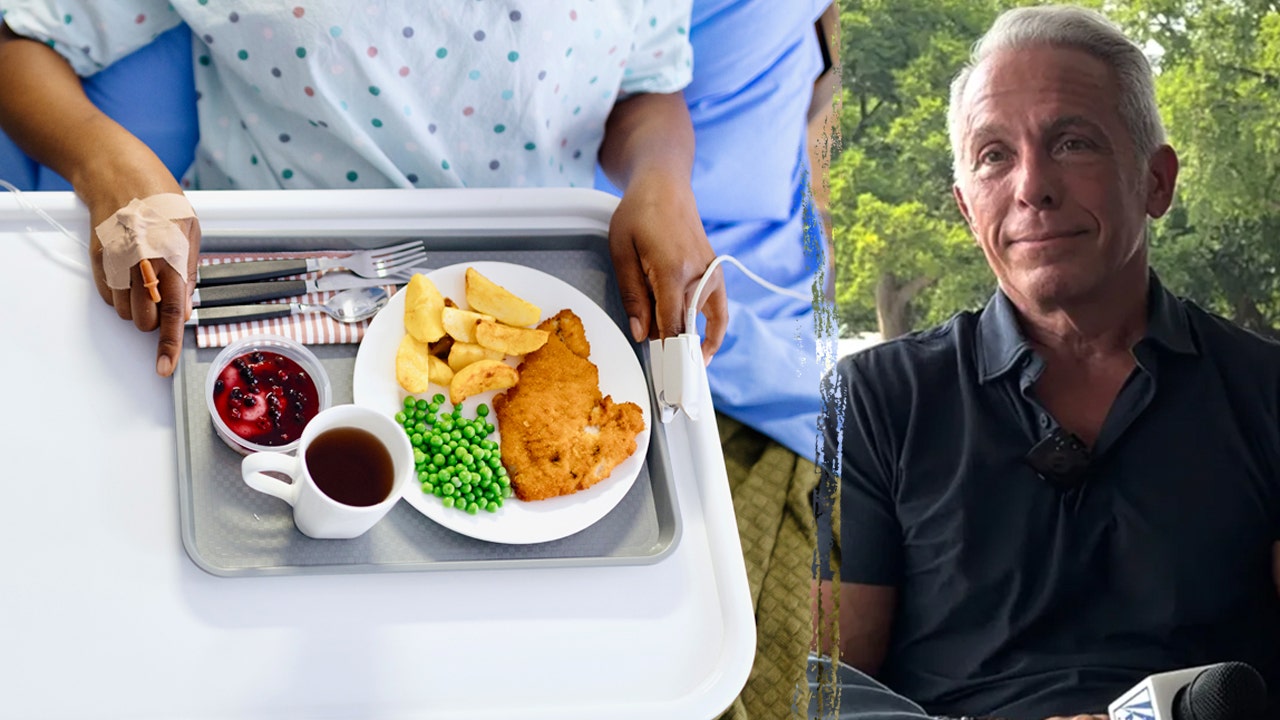
- Hospital meals are being rethought around healing.
- Geoffrey Zakarian’s overhaul is replacing packaged food.
- Tampa General is putting healthier standards into practice.
- Dr. Mehmet Oz is backing the idea that food matters.
- Cost, quality, and patient comfort remain central.
Hospital trays are getting a serious upgrade, and the change is aimed at more than just taste. Michelin-star chef Geoffrey Zakarian has spent the past three years reshaping what patients eat, pushing hospitals away from boxed, processed meals and toward food that feels fresh, comforting, and genuinely nourishing. The big idea is simple: if hospitals are about healing, the food should help do that job instead of getting in the way.
Zakarian’s work has centered on Tampa General Hospital, a large nonprofit public hospital that became a proving ground for the new approach. The effort picked up more public attention when the hospital signed the “Make Hospital Food Healthier” pledge at a news conference joined by Health and Human Services Secretary Robert F. Kennedy Jr., USDA Secretary Brooke Rollins and Zakarian. That move signaled that this is not just a chef’s side project, but part of a broader push to make hospital food fit for patients who need strength, not empty calories.
For years, the phrase “hospital food” has practically meant something bland, packaged, and hard to look forward to. Zakarian wants to wipe that image clean by swapping out the usual seed oils, sugar, and other boxed ingredients for more recognizable meals and drinks. In his view, the kitchen should feel less like a concession stand for recovery and more like a real source of comfort.
The menu changes are pretty straightforward, but they hit a nerve because they sound like actual food people would want to eat. Mac and cheese, hanger steak and fries, chicken with couscous, fruit shakes, smoothies and fresh sorbet are now part of the mix. Zakarian says the goal is to make patients feel like they are eating something closer to what a family member would cook, instead of a tray full of shortcuts.
That shift has drawn praise from CMS Administrator Dr. Mehmet Oz, who said Zakarian has “revolutionized our thinking” about hospital meals. Oz also argued that food should be treated as part of the healing process, not as an afterthought. He made clear that while hospital meals may provide some basic nutrients, they often do little to actually support recovery in any meaningful way.
The whole debate gets even sharper when money enters the picture, which it always does in health care. Zakarian pointed out that hospitals often have very little left over for food after the rest of the bills are paid, and he said the budget for a plate can be shockingly low. He compared the typical hospital meal cost to what people spend on fast food, which is a rough way of showing how little room there usually is for quality.
To work around that, his model leans on a flat annual fee instead of charging hospitals per plate, which makes it easier to focus on a tighter, better menu. The point is not to flood the kitchen with dozens of options, but to serve fewer things done well. That means food with better ingredients, more flavor, and enough substance to leave patients feeling satisfied instead of shortchanged.
Zakarian says he is cooking the same way he would for a restaurant, or even the way his mother cooked for him, and that’s exactly the point. A patient lying in a hospital bed already has enough to deal with, from fear to discomfort to the strange loneliness that comes with being in a gown under bright lights. A fresh smoothie, a solid steak dinner, or a warm plate of real food can make the day feel less clinical and a lot more human.
