
Quick roundup: celebrity mishap blamed on AI, a police department testing an autonomous patrol SUV, new bipartisan limits on kids’ access to certain AI chatbots, and the broader shakeups AI is bringing to markets, jobs, sports and the office.
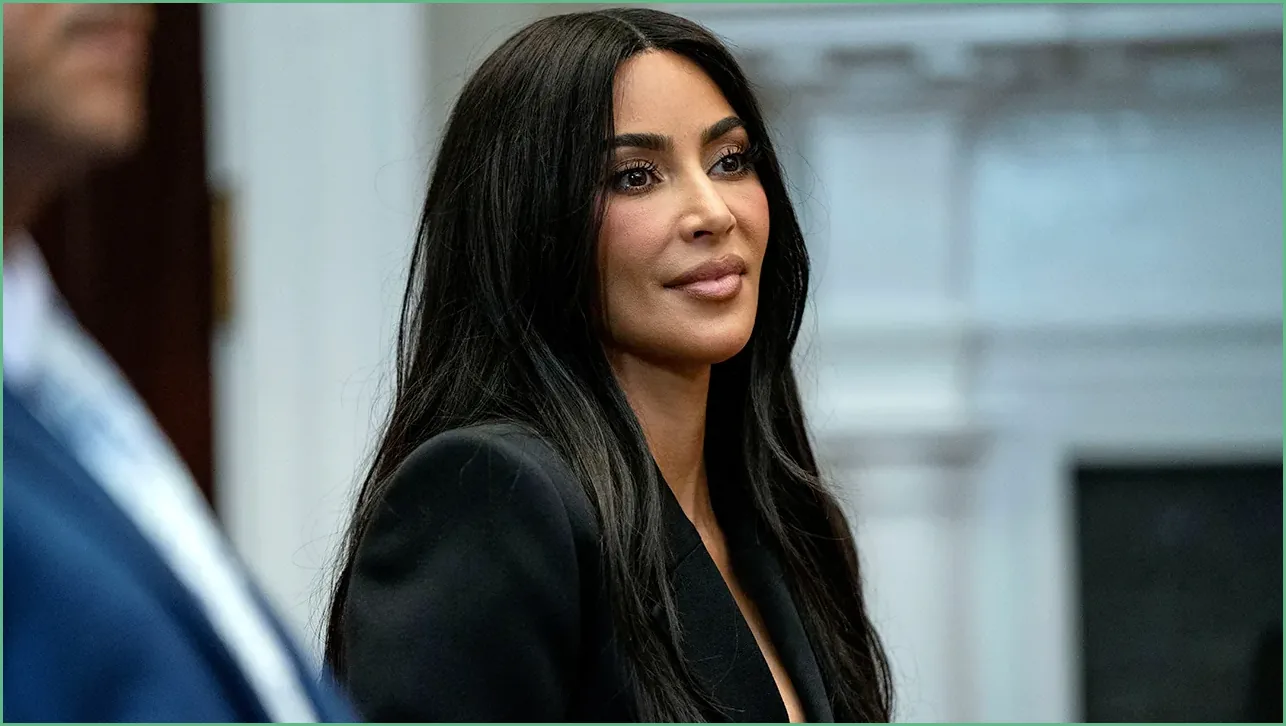
BOT BLUNDER: Kim Kardashian says artificial intelligence tripped her up after failing several law school exams, pointing the finger at ChatGPT for generating misleading answers. The story highlights how even high-profile people can be tripped up by overreliance on generative models that sound confident but can be wrong. It’s a reminder that these systems are tools, not substitutes for careful study or human judgment.
‘SET THE STANDARD’: In Miami-Dade, law enforcement is experimenting with a Police Unmanned Ground Vehicle Patrol Partner, or PUG, aiming to test an autonomous patrol SUV in real-world conditions. The department frames it as a forward-leaning move to improve safety and cover more ground without putting officers in harm’s way. The experiment raises obvious questions about oversight, liability and how autonomous tools will integrate with traditional policing.
SCREEN TIME’S UP: A bipartisan bill led by Sen. Josh Hawley and Sen. Richard Blumenthal would bar minors under 18 from interacting with certain AI chatbots, responding to worries about “AI companions” and the potential for exploitation or psychological harm. The proposal reflects growing appetite across the aisle to protect kids from unvetted algorithms that can mimic intimacy or provide dangerous advice. It also signals a shift toward regulatory guardrails as AI moves from novelty to everyday presence.
Meanwhile, the market story is hard to ignore: Nvidia crossed a historic valuation milestone amid surging demand for chips that power AI systems. That landmark caps a broader investment frenzy around machine learning and infrastructure, with ripple effects for startups, big tech and the broader economy. The rush for compute has become central to both corporate strategy and national industrial policy debates.
The labor question keeps getting louder: voices on the left warn of mass layoffs caused by automation, while others point to demographic and participation changes as the main factors in a softer labor market. What’s clear is that AI-driven efficiencies will reshape roles and industries, forcing policymakers and businesses to adapt quickly. The policy debate now centers on retraining, immigration, and whether social safety nets can keep pace with rapid technological change.
On a lighter but telling note, some predict AI will change how we enjoy sports rather than make them vanish, with new data, personalized content and smarter production tools drawing fans closer to the action. That perspective sees technology as an amplifier for entertainment value, not a replacement for the human drama that drives fandom. The challenge will be balancing new formats and authenticity so audiences keep feeling emotionally connected.
Even office life is getting a reboot as some companies expand their physical footprints, claiming AI lets teams collaborate more effectively on-site than remotely. This counters the narrative that automation automatically reduces office demand and suggests a hybrid reality where tech complements rather than replaces shared workspaces. Employers are testing what actually improves productivity and culture in a post-pandemic, AI-enabled world.
Across these stories, the common thread is that AI is no longer hypothetical: it affects celebrities, public safety, children, markets, jobs, entertainment and where we work. That makes it urgent for leaders to set clear rules, for families to stay vigilant, and for companies to act responsibly as the technology matures. The conversation now is about shaping outcomes, not just reacting to them.
