
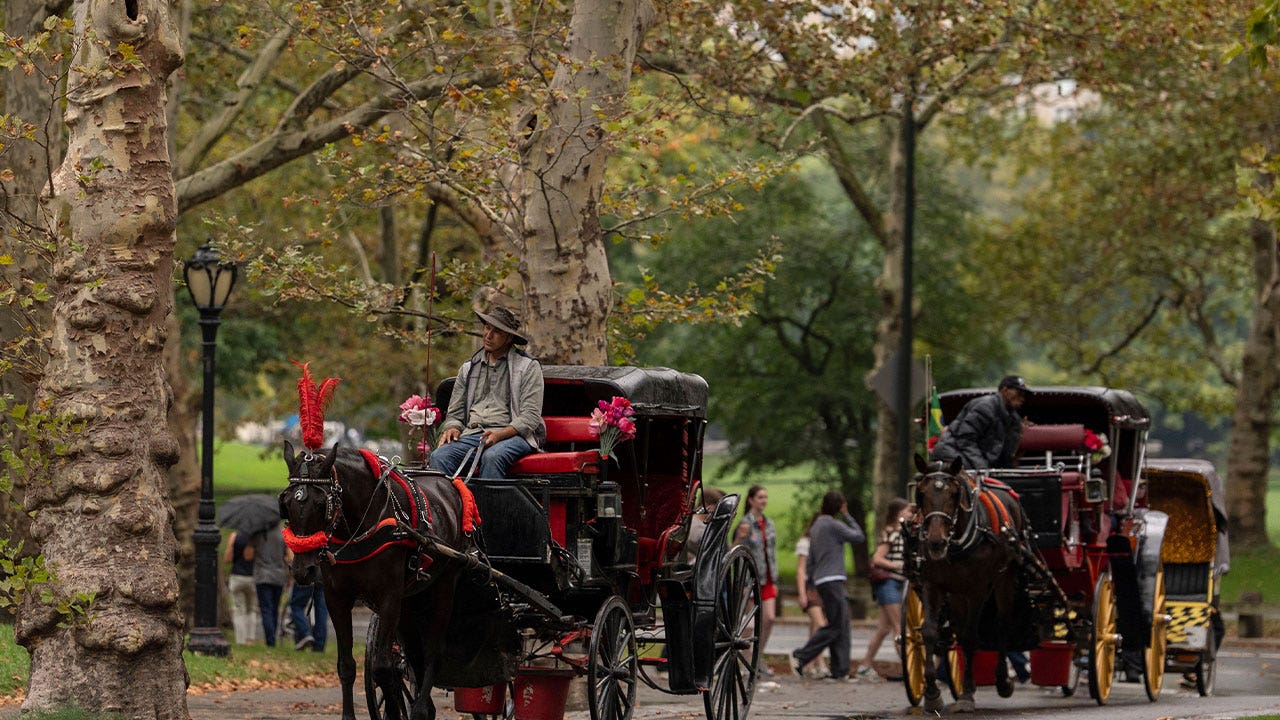
New York City has taken a sharp turn on one of its most recognizable traditions, and the fight over horse-drawn carriages is only getting louder. The City Council approved a ban that would phase out the industry by 2028, setting off backlash from drivers, praise from animal welfare advocates, and another round of political combat over what belongs in modern New York.
The vote came after the death of 18-year-old Romanch Mahajan, who was killed in June when a carriage in Central Park went out of control. Lawmakers framed the move as a safety decision, while opponents called it a rushed attack on a historic trade that has been part of the city for generations.
The council passed the measure 40-7, with two members abstaining, and the law now moves toward Mayor Zohran Mamdani. If it becomes final, the industry would be wound down by June 1, 2028, while the city would also be tasked with creating a transition program for more than 150 active drivers and other workers tied to the business.
That transition plan is supposed to include job training, career counseling, and help with finding new work. Still, critics say that is not the same as real protection, especially when financial compensation is not guaranteed and an entire livelihood is being wiped out by city hall.
President Donald Trump jumped into the debate with a blunt reaction on Truth Social, calling the carriage ride a classic New York experience and blasting the decision as politically driven. His comments gave the issue even more fuel, especially among people who see the ban as another case of city leaders bulldozing tradition instead of working through a practical fix.
The Transport Workers Union, which represents carriage industry workers, said it plans to challenge the law in federal court and may seek a temporary restraining order. Union leaders also accused City Council Speaker Julie Menin of not fully involving drivers in the process, arguing that the people most affected were not given a fair seat at the table.
Menin, for her part, stood by the legislation and said the council had spent the summer strengthening worker protections. She said the city is ready for a legal fight, and she made it clear the administration expects to defend the law aggressively if the challenge comes.
Animal rights groups cheered the vote, especially PETA, which pledged $50,000 to help retired carriage horses as the industry is phased out. Supporters of the ban also say the issue is no longer just about tradition, but about the safety of horses, drivers, and the people who fill Central Park every day.
The Central Park Conservancy backed that view, pointing to the huge number of visitors the park gets each year and warning that carriages can create serious hazards in a crowded, fast-moving setting. The organization said the death of Mahajan was part of a larger pattern and argued that the risk is too high to keep ignoring.
The new law also tries to address what happens to the horses themselves, including protections intended to keep retired animals from being sold for slaughter. At the same time, owners would still be allowed to keep their horses, which gives the city another layer of responsibility as the countdown to the end of the industry gets underway.
The measure still needs Mamdani’s signature, but his support for ending the trade has already made the outcome look likely. For now, the city is staring at a fight that reaches far beyond Central Park, touching labor, tourism, animal welfare, and a question New York keeps running into: whether old symbols can survive when public pressure finally tips the scale.
