
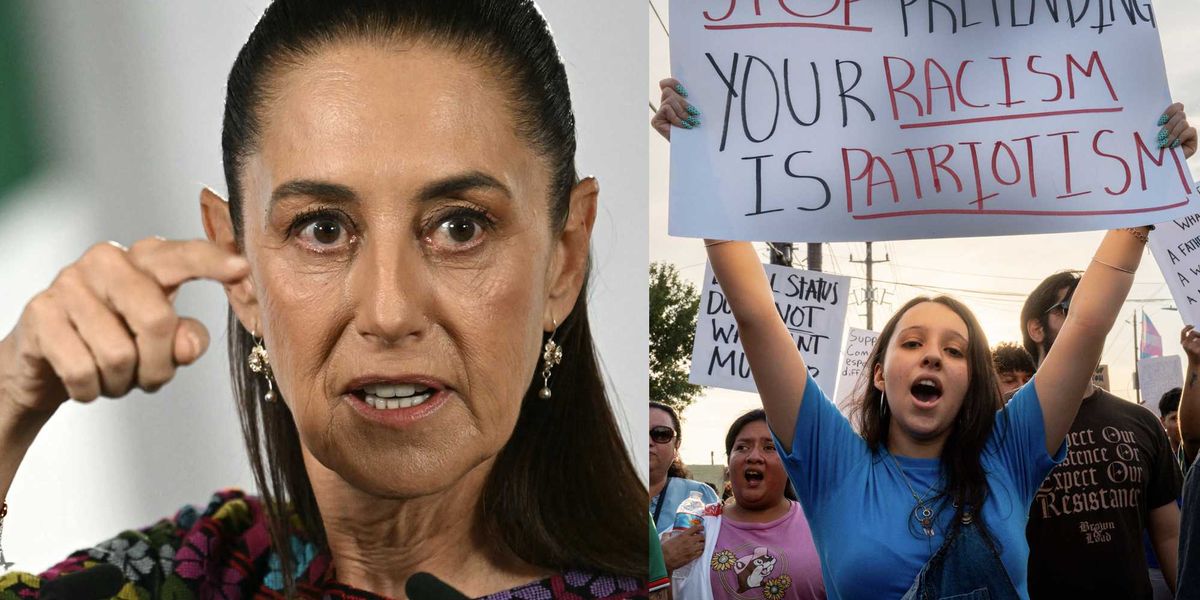
Mexican President Claudia Sheinbaum has vowed legal action after an ICE operation in Houston ended with the death of Lorenzo Salgado Araujo, a 52-year-old Mexican national who lived in Texas for decades. U.S. authorities say an officer fired after Araujo allegedly refused orders and attempted to run over the agent, while the family insists he had no criminal record and was applying for legal status. Local officials and community leaders are demanding a full, independent investigation as diplomatic tensions flare. The case has stirred a mix of legal threats, political posturing, and calls for clear facts.
Lorenzo Salgado Araujo was shot during what ICE described as a targeted enforcement traffic stop in Houston. The Department of Homeland Security said the officer fired after Araujo refused to follow orders and then tried to run over the agent, and Araujo later died at a hospital from a wound to the stomach. That account is the official version, but it is now the subject of intense scrutiny and dispute. The scene has left neighbors and family demanding answers beyond the initial statement.
The family says Araujo had no criminal history and had been applying for legal status for more than a year before the encounter. Those claims complicate the narrative, because they raise questions about why enforcement reached this point and whether alternatives were exhausted. People across the city want to know why the situation escalated and whether the response matched the risk. The facts on the ground will matter most in determining next steps.
‘There’s no reason for them to be in detention centers or for violence to be used. So, we’re preparing legal measures — obviously, more significant ones.’
Sheinbaum told reporters her government is preparing legal measures and plans to press the issue beyond diplomatic notes and appeals to human rights bodies. “Our goal is to go beyond diplomatic notes and what we raised at the Inter-American Commission on Human Rights, since we cannot allow the mistreatment of our brothers and sisters who are in the United States — our fellow citizens. So we’re proposing other measures,” she said. “There has been another tragic death of a fellow citizen in the United States due to detention issues, when their only ‘offense’ is not having papers — even though they were hired by a U.S. company. There’s no reason for them to be in detention centers or for violence to be used. So, we’re preparing legal measures — obviously, more significant ones.”
Sheinbaum has tangled with the White House before over immigration policy and trade, and her promise of legal action ramps up pressure on U.S. officials. From a Republican perspective, national sovereignty and the rule of law must be respected, but that does not erase the need for transparency when force is used. Political leaders on both sides of the border have incentives to make this a bigger fight, yet the public interest here is straightforward: find out what happened and hold the right people accountable under the law.
Three other people were detained during the enforcement operation, and video of the scene circulated afterward, drawing public attention and fueling debate.
Local leaders quickly called for an independent look at the case. “ICE has released an initial account, but the facts must be independently and thoroughly investigated, including the circumstances that led to the use of deadly force,” Democratic Rep. Sylvia Garcia of Texas said. “There must be a complete and transparent investigation, and my office stands ready to support our community and any local investigation into how this tragedy unfolded,” Harris County Attorney Abbie Kamin responded.
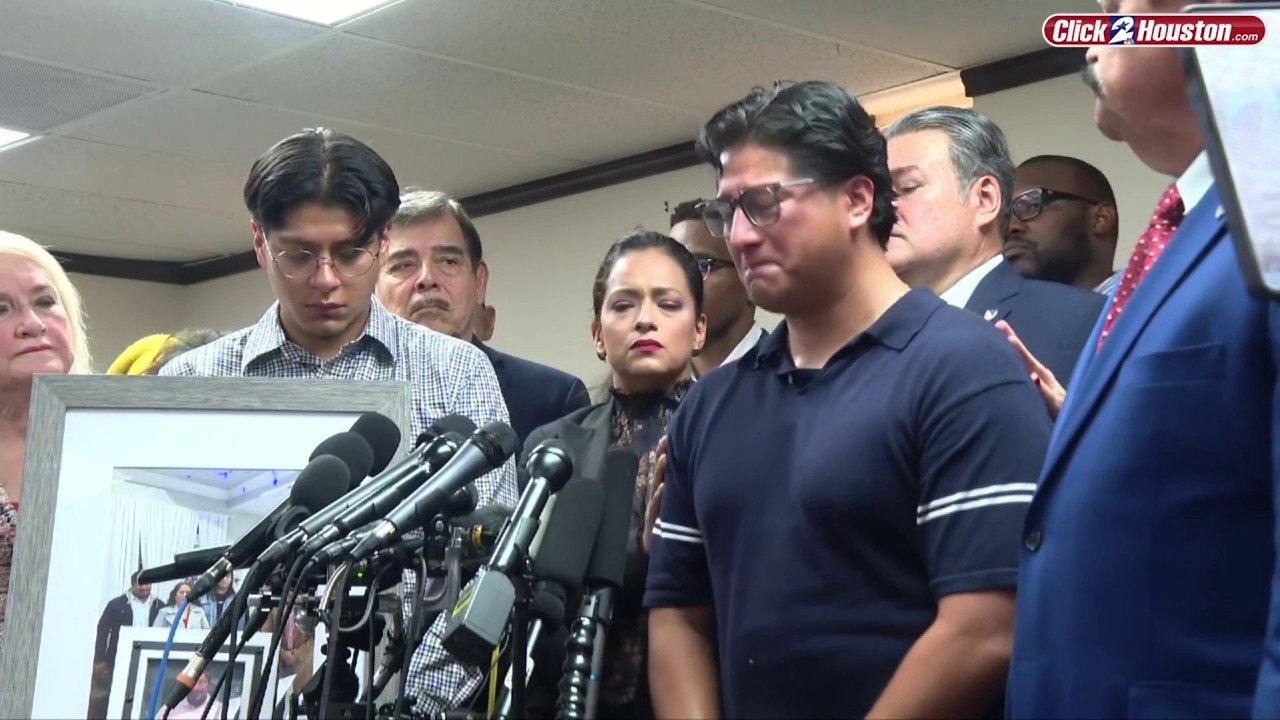
Right now the practical steps are clear: open every relevant report, release body camera and surveillance footage if available, and let neutral investigators examine the timeline. Republicans will argue that law enforcement must be able to do its job without undue political interference, but that authority comes with the duty to be accountable when lives are lost. This case will test how the system balances enforcement, community trust, and international frictions without tipping into raw politicization.

2 Comments
Counter sue then Mexico for the Cartels
Over 100,000 Americans die from drug overdoses each yr. That come across the border. Our government needs to point that fact out and ask if Mexico is prepared to pay for the American deaths. That women needs to sit down and shut up.