
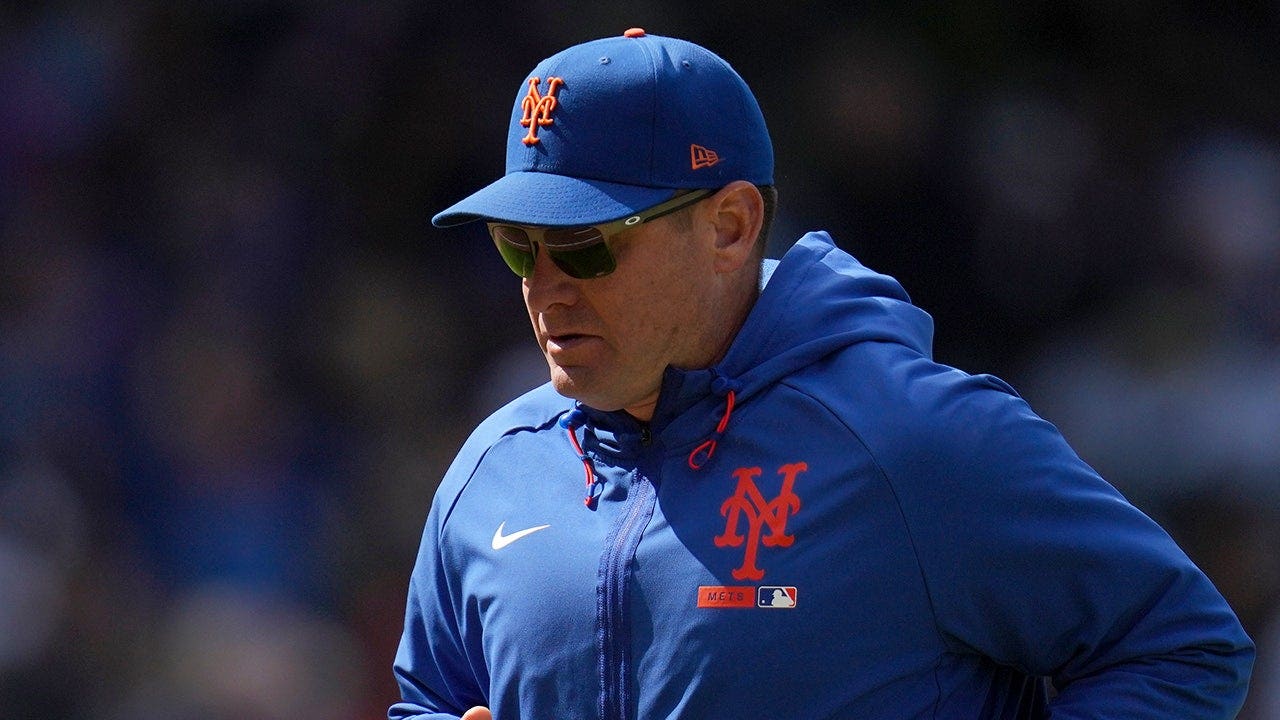
The New York Mets remain committed to their manager after a rough 10-21 start, with president of baseball operations David Stearns refusing to make a change; this article unpacks the reasons behind that stance, examines roster and injury issues, evaluates pitching and offense struggles, and outlines what the club might do next to turn things around.
The Mets’ 10-21 start sits at the bottom of the league, and fans are frustrated, loud, and demanding answers. Low output and missed opportunities have amplified every mistake, making patience a scarce commodity in Queens. Still, front office leadership has pushed back against quick fixes and public calls for a managerial shakeup.
David Stearns, the team executive overseeing baseball operations, has publicly stated there will be no managerial change despite the poor record. That decision reflects a broader philosophy from the front office that short stretches don’t define a season or a manager’s capability. The club is choosing stability over reaction, betting the issues run deeper than in-game leadership alone.
Injuries have chipped away at depth and continuity, leaving lineups and rotations patched together on a week-to-week basis. When key players miss prolonged time, roles shuffle and chemistry frays, and it becomes harder to evaluate what’s tactical versus what’s circumstantial. The Mets argue that blaming the manager for an injury-depleted season ignores those structural problems.
Pitching has been a glaring weakness, with the rotation failing to provide consistent length or command. Bullpen overuse has followed as starters struggle to get through innings, increasing stress on relievers and contributing to blown leads. Fixing a pitching staff requires more than managerial tweaks; it needs health, adjustments from pitchers, and often personnel moves that the front office must orchestrate.
On the offensive side, strikeouts, situational hitting failures, and a lack of timely power have stalled rallies and shortened innings. Scoring inconsistently puts the pitching staff in impossible spots, and the defensive miscues that have followed don’t help matters. The front office sees these as performance issues that can be addressed with coaching, lineup changes, and maybe roster upgrades, not solely by replacing the skipper.
Stable leadership can matter when a team is rebuilding confidence and approach at the plate and on the mound. Managers set tone and routine, and the organization appears committed to letting that work play out rather than resetting the clubhouse midstream. A change at the top would come with its own disruption, and the Mets are weighing short-term optics against long-term progress.
Behind the scenes, roster construction and payroll commitments influence how quickly the team can pivot. Trades and depth signings are the levers Stearns controls, and the front office is evaluating how best to use them in light of the season’s trajectory. Financial flexibility and prospect pipeline depth will constrain the kinds of moves available this summer, forcing prioritization.
Fan sentiment is strong and vocal, and management is aware of the public pressure that grows with every loss. The front office has to balance responding to fan frustration with doing what they believe will give the team the best chance to compete down the stretch. That balance often looks tone-deaf to supporters in the moment, especially when losses pile up.
If the Mets choose to change course, expect it to be through targeted roster improvements rather than a managerial swap, at least for now. Strengthening the rotation and adding consistent offensive pieces are likely focal points, and those are squarely in Stearns’ lane. The club’s posture suggests they’ll pursue upgrades that solve clear, addressable weaknesses without destabilizing the clubhouse.
For now, the message from the front office is patience and process, even as the results lag. Time will tell whether that patience yields a steadying effect or whether pressure forces more dramatic moves. In the meantime, the team must find ways to get healthier, get more reliable performance from pitchers, and manufacture runs in tighter games to climb out of the early hole.
