
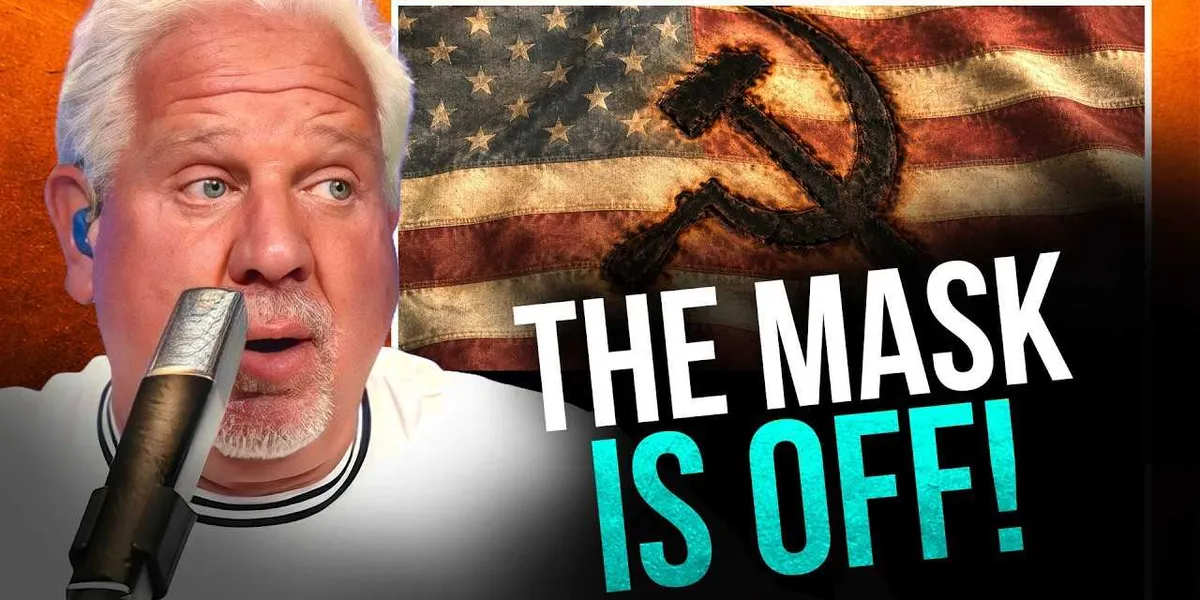
A Colorado candidate with a socialist label is poised for a House seat, and her remarks tying 9/11 to U.S. policy have set off a conservative backlash. The exchange, originally sparked by comments she made on a popular streamer’s show, drew sharp rebukes from Glenn Beck’s team and others who see it as excusing terrorism. This piece walks through the interview, the exact quotes that caused the uproar, and why critics say the timing and tone are unforgivable.
Melat Kiros, a Democratic socialist on the rise in Colorado, has been riding a wave of primary victories that worry many conservatives. Her political identity and associations put her squarely in the spotlight as pundits and voters ask whether her rhetoric is fit for someone headed to Congress. For Republicans, the concern is not just about policy differences but about a moral line crossed when someone suggests attacks on Americans are somehow understandable.
The controversy traces back to Kiros’ appearance on Twitch host Hasan Piker’s program, where she discussed the Hamas assault on October 7 and other violent episodes in the Middle East. During that segment she reportedly insisted that such attacks can be “an inevitable consequence of apartheid, of occupation, decades of occupation.” That language, delivered without immediate context or condemnation, sent alarm bells through conservative media and veteran commentators.
When pressed later by a Colorado reporter about the deadliest attack on American soil, the exchange tightened into one of those moments that separates nuance from apology. The reporter asked, “Do you believe that the 9/11 terrorist attacks on America were the inevitable consequence of American foreign policy?” and Kiros answered, “Inevitable in the sense that we destabilized a lot of the Middle East. That forced people to believe that another act of violence was the only response. And again, just like I said before, our responsibility is to getting rid of those conditions that lead to violence,”
On conservative talk shows the reaction was immediate and harsh. Jason Buttrill told Glenn Beck on-air, “It’s the typical, you know, blame the rape victim that you get attacked from whatever we did,” while insisting later, “I don’t agree with blaming the victim or anything when it comes to anything like this,” These responses framed Kiros’ remarks as a dangerous moral equivalence that erodes the clear distinction between victims and perpetrators.
Glenn Beck himself weighed in with a broader critique about national identity and government responsibility, arguing that the American people are not to blame for terrorist attacks. “Name the country that hasn’t made these kinds of mistakes,” he said, then added, “We do nothing to deserve that kind of stuff … the American people are those people that we think of as red, white, and blue and just want to do the right thing and help each other and help other countries,” The point made by Beck and his guests was straightforward: policy criticism is one thing, but framing attacks on civilians as a direct outcome of American character crosses into moral relativism.
For voters watching results roll in, Kiros’ likely ascent creates a test of how much rhetoric matters at the ballot box. Her supporters argue she’s offering a critique of long-standing foreign policy failures, while opponents see a pattern of excusing violence. That divide is now a political line: do Americans reward a candidate who frames terrorism as an understandable response, or do they push back against what conservatives call a dangerous and defensible moral shift?
As this contested moment unfolds, expect the debate to stay personal and polarized. Kiros will face questions about whether her words were a policy critique or an apology for violence, and Republicans will use those words to frame her as out of step with mainstream American values. That fight will play out in campaign ads, debates, and daily commentary as Election Day approaches.
