
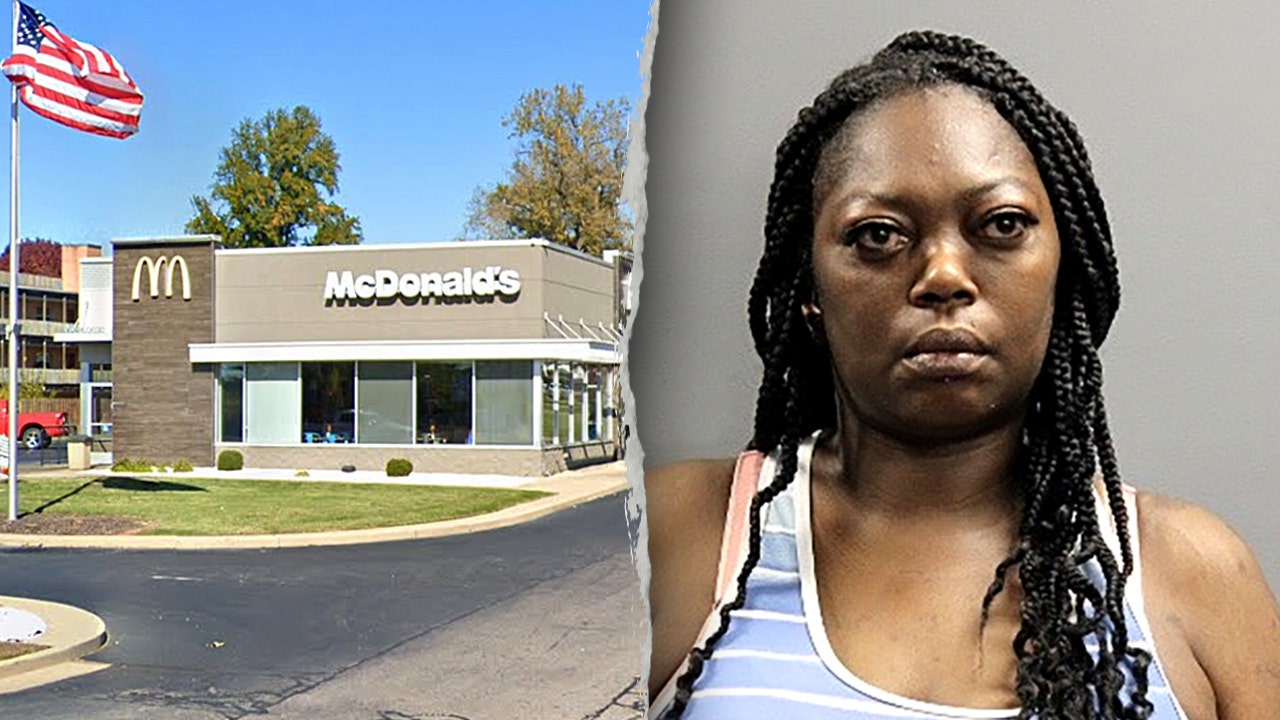
A McDonald’s in Belleville, Illinois, became the scene of an unexpected and alarming incident involving a manager and an employee’s mother. According to the Belleville Police Department, Kathy Bledsoe, a 44-year-old manager, and Tynika McKinzie, a 35-year-old mother, are now facing serious charges. What began as a disagreement over taking out the trash ended in a shocking act of violence.
Police reports state that Bledsoe was managing the McDonald’s when she asked a teenage employee to dispose of the garbage. The employee refused to comply, leading Bledsoe to instruct her to clock out for the day. This decision set off a chain of events that quickly spiraled out of control.
The teenage employee reached out to her mother, McKinzie, who arrived at the restaurant accompanied by another juvenile. A verbal altercation erupted as tensions flared between the parties involved. The situation escalated further when McKinzie allegedly made her way behind the counter.
Inside Bledsoe’s office, McKinzie reportedly assaulted the manager, striking her in the head and face. In response to the attack, Bledsoe allegedly drew a handgun and fired, hitting McKinzie in the leg. Emergency services were called, and McKinzie received medical attention for her injury.
The Belleville Police Department swiftly apprehended Bledsoe, charging her with aggravated unlawful use of a weapon. Meanwhile, McKinzie faces charges of aggravated battery and mob action. The incident has left the community in disbelief, questioning how a simple workplace dispute could escalate to such violence.
On social media, the Belleville Police Department expressed their dismay over the incident. They emphasized the need for restraint and the importance of resolving conflicts without resorting to violence. The department reiterated their commitment to holding individuals accountable for such reckless actions.
The McDonald’s franchise owner also released a statement, expressing shock and sadness over the event. They underscored their dedication to the safety and well-being of their staff. The restaurant pledged to cooperate fully with law enforcement as investigations continue.
This unsettling event has sparked discussions about conflict resolution and the pressures faced by fast-food workers. Many in the community are calling for greater support and training to prevent similar incidents in the future. The case serves as a stark reminder of how quickly situations can escalate when emotions run high.
As the legal process unfolds, both Bledsoe and McKinzie will have to answer for their actions in court. The community remains on edge, grappling with the aftermath of this unexpected event. The incident has cast a shadow over the local area, prompting calls for healing and unity.
In the meantime, the McDonald’s location has resumed operations, with added focus on ensuring a safe environment for its employees and customers. The franchise owner has reiterated their commitment to supporting their team through this difficult period. The community watches closely, hoping for justice and resolution.
While the situation is still fresh, it serves as a poignant example of the challenges faced by those in customer service roles. The incident underscores the importance of communication and de-escalation tactics in high-pressure situations. The community’s response highlights a desire for positive change and a safer work environment for all.
As details continue to emerge, the story serves as a reminder of the complexities involved in seemingly everyday situations. The incident has shed light on the broader issues of workplace safety and conflict management. The community remains hopeful that lessons learned will lead to constructive outcomes.
The case has drawn attention from media outlets and the public alike, as people seek to understand the motivations behind the actions taken. The ripple effects of this incident will likely influence how similar situations are handled in the future. The focus now shifts to healing and preventing such occurrences from happening again.
The unfolding events have sparked dialogue about the responsibilities of management and employees in maintaining a harmonious workplace. The incident serves as a catalyst for discussions on better training and support systems. The community’s resilience and willingness to address these issues head-on offer hope for positive change.
As the legal proceedings continue, the spotlight remains on the individuals involved and the circumstances leading to the altercation. The community’s reaction underscores the need for accountability and reform. The story of this incident may serve as a turning point in how workplace disputes are managed going forward.
