
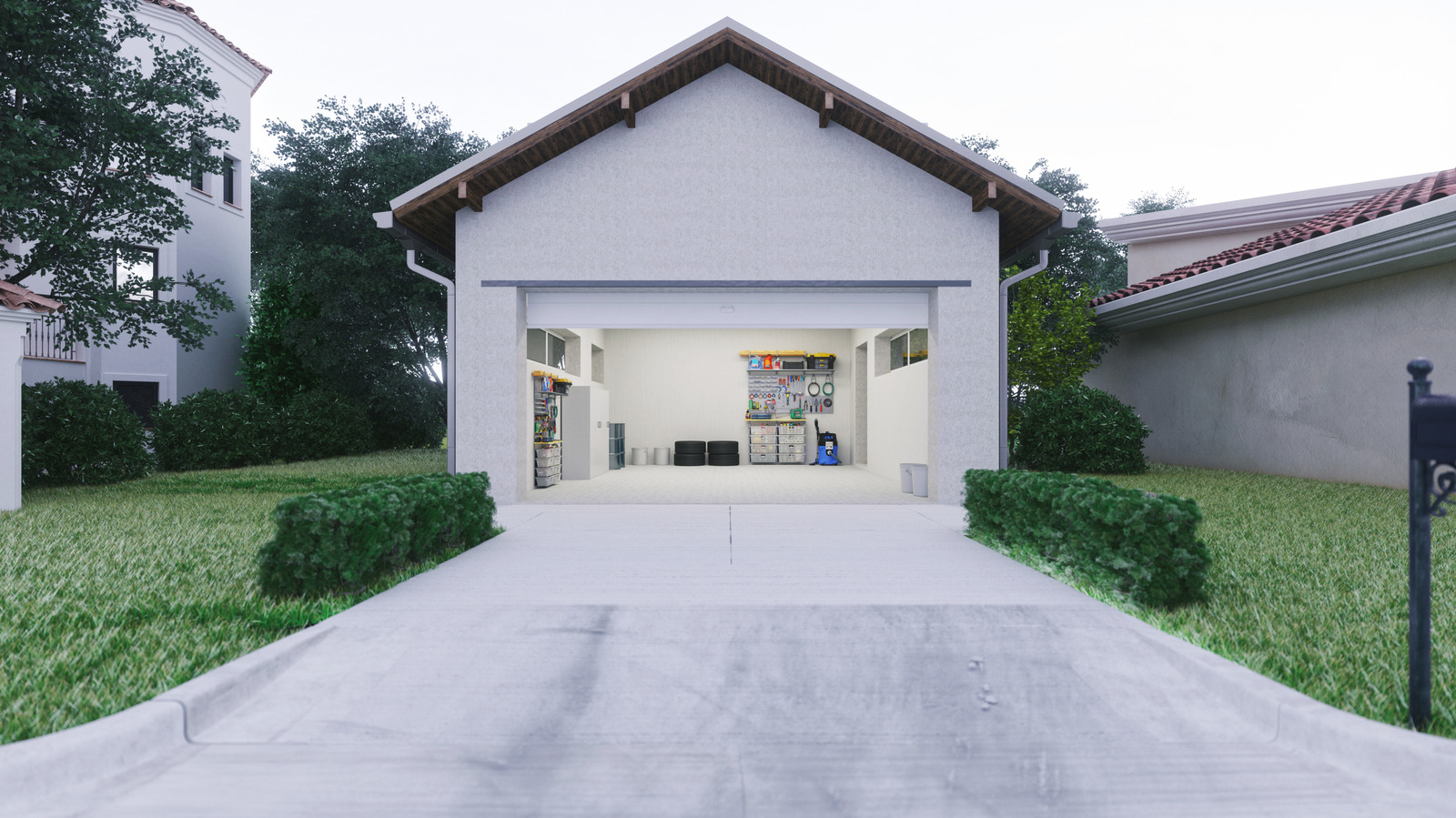
Concrete driveways can last a long time, but their actual lifespan hinges on a handful of clear factors like installation quality, climate stress, daily use, and upkeep. This article walks through what affects longevity, what routine care really does, and practical steps homeowners can take to protect an expensive surface investment. Read on for straightforward, usable details about how long you can expect a concrete driveway to perform and what short-term moves lengthen service life.
Most properly installed concrete driveways that get routine care will perform well for two to four decades, with some reaching 50 years under ideal conditions. That range exists because concrete itself is durable, but the overall life depends on what happens below and above the slab. Think of the visible surface as only part of the system — the base, drainage, and joints are equally important.
Installation quality is the single biggest variable in longevity, and it starts with base preparation. A compacted, stable base prevents settling and cracking; poor compaction or organic fill leads to differential settlement and early failure. Mix design, reinforcement, correct thickness, and properly placed control joints finish the installation checklist and determine whether a driveway survives seasonal stress.
Climate plays a huge role, especially where freeze-thaw cycles and deicing salts are common. Water that soaks into cracks and freezes expands and pries pavement apart over repeated cycles, while salts speed chemical deterioration and spall the surface. Hot, prolonged sun and UV exposure create different problems, such as thermal expansion and surface drying that can cause crazing if the mix or curing is wrong.
Usage patterns matter more than most homeowners expect; light passenger cars are forgiving but heavy trucks, RVs, or constant turning loads concentrate stress and wear faster. Poorly planned slopes, sharp turns, and concentrated parking spots create stress points that crack and settle first. If a driveway sees heavier commercial use, a thicker slab and stronger base are sensible investments up front.
Routine maintenance is the most cost-effective way to stretch service life, and it does not require endless effort. Keep the surface clean to prevent debris and chemicals from sitting on the concrete, fill and seal cracks promptly to stop water intrusion, and apply a breathable sealer every few years where appropriate. Avoid harsh chemical cleaners and unnecessary pressure washing that can strip the paste and expose aggregates prematurely.
When damage appears, timely repairs limit the scope of future replacement. Small cracks and isolated spalls can be patched and bonded back; joint repairs and edge rebuilding are common and economical fixes. Resurfacing or overlays can refresh an old slab that still has structural integrity, while full replacement is the right call when the base has failed or settlement is widespread.
Design choices influence how long a driveway will last and how much maintenance it requires. Proper slope for drainage, adequate thickness for expected loads, well-placed expansion and control joints, and consideration of reinforcement options all reduce long-term problems. Budgeting for a higher quality installation up front typically saves money and hassle down the road since many failures stem from cutting corners at the start.
If you want a driveway to last decades, focus on three practical moves: invest in professional site prep and concrete mix, keep water out of joints and cracks, and limit heavy, concentrated loads. Those steps deliver the best return on investment and keep repairs minor rather than catastrophic. Talk to a trusted contractor about local conditions and realistic lifespan expectations before you decide on materials or accept the first cheap bid.
