
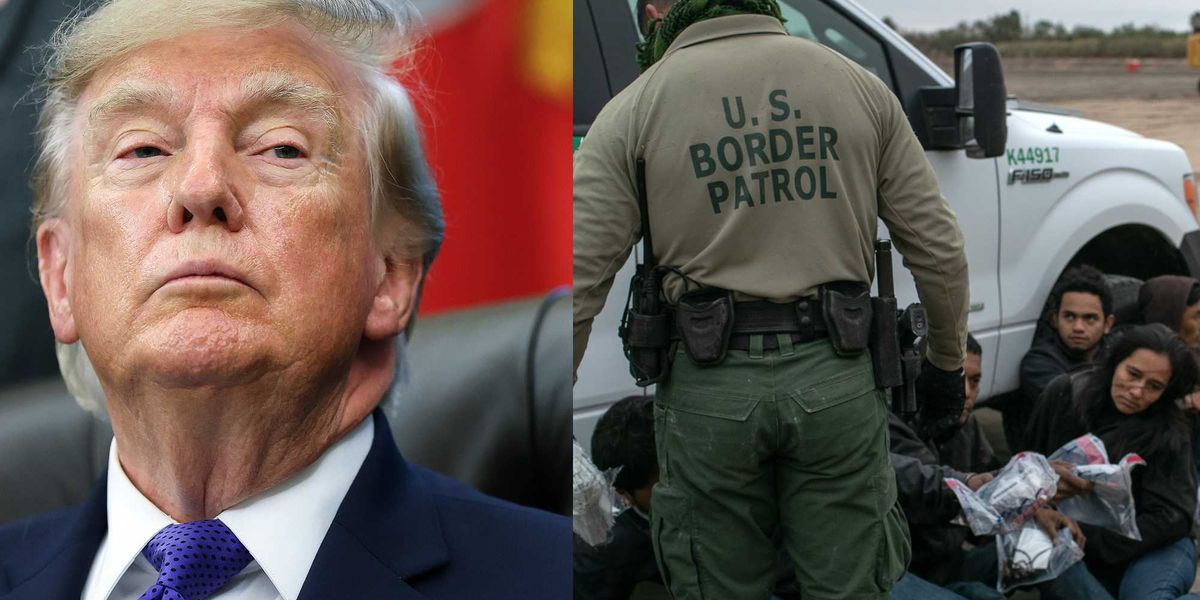
The Fifth Circuit’s latest immigration ruling has put deportation policy back in the spotlight, and it landed with real force. The decision gives Trump a significant legal win as the fight over mass deportations keeps colliding with the courts, federal authority, and the broader debate over illegal immigration.
The ruling matters because it hits one of the biggest pressure points in the immigration fight: how far the government can go when removing people who are in the country illegally. Supporters see it as a long-overdue correction, while critics see it as another hard-line move that could widen the reach of enforcement.
At the center of the dispute is a familiar tension between executive power and judicial limits. Immigration has become one of the most charged issues in Washington, and every new ruling seems to sharpen the divide rather than calm it down.
The Fifth Circuit’s decision is being described as one of the most consequential to date because it carries weight well beyond a single case. It signals that the legal path for aggressive deportation efforts may be opening wider, even as opponents prepare to challenge that direction at every step.
For Trump, the ruling is more than a court victory. It gives momentum to a signature issue that has stayed at the heart of his political identity, especially with voters who want tougher enforcement and less tolerance for illegal crossings.
For his critics, the decision raises immediate concerns about how far deportation policy can stretch and who could get caught in the dragnet. That is where the argument gets especially heated, because the fight is no longer just about border security, but about the scope of government power itself.
The broader immigration debate has been pushed into overdrive by years of rising tension at the border. Mass deportations are not a side issue anymore, and court rulings like this one can shape how aggressively the federal government acts in the months ahead.
Republicans have long argued that laws mean little if they are not enforced, and this ruling fits neatly into that view. The response from the right is likely to focus on deterrence, public safety, and restoring order after what many see as a long period of weak enforcement.
That message lands especially well with voters who believe illegal immigration has strained local communities, schools, and public services. The legal backing from the Fifth Circuit gives that argument a stronger foundation and turns a political demand into something closer to official permission.
Still, the legal fight is far from over, and that is part of what makes this moment so explosive. Immigration battles rarely stay settled for long, and decisions like this one tend to trigger a fresh round of appeals, headlines, and political warfare.
What happens next will depend on how aggressively the administration chooses to move and how the courts respond when those policies are challenged again. The ruling has clearly shifted the terrain, and the debate over deportations is likely to get even louder from here.
