
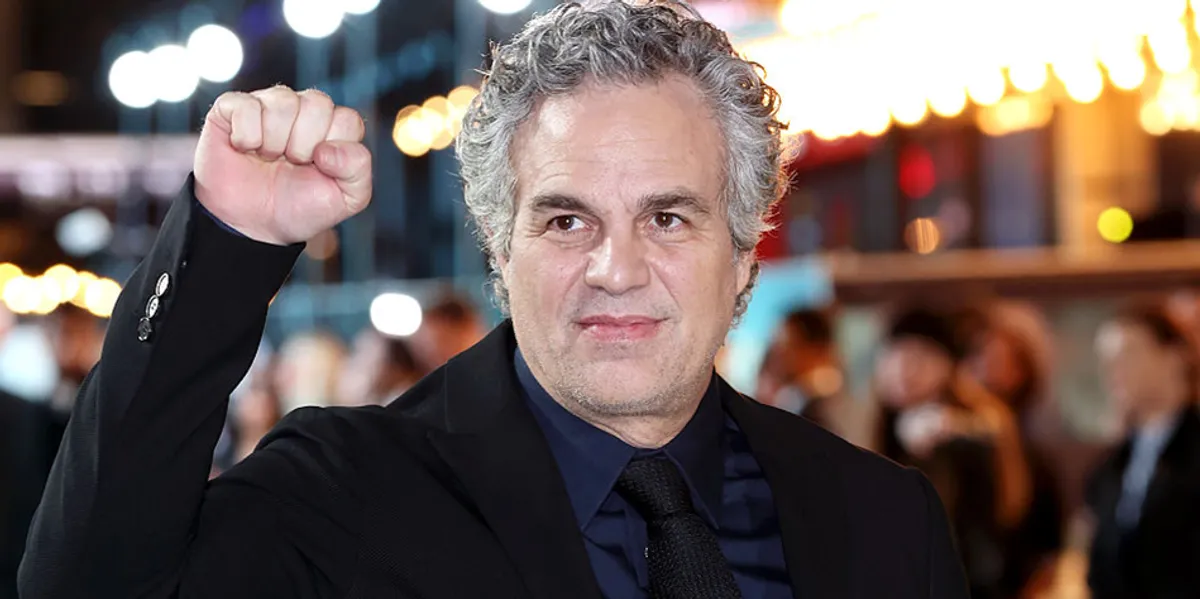
Mark Ruffalo ended up in the middle of a fresh wave of criticism after speaking out on the Israel-Palestine conflict, even as his public image has long leaned hard into progressive activism. The backlash didn’t just come from the usual corners either, and it quickly turned into a broader argument over how celebrity politics get judged, ignored, or weaponized depending on who is doing the talking.
Ruffalo has built a reputation for jumping into causes, especially when the conversation turns to war, human rights, and politics. That habit has made him a reliable voice for some audiences, but it also means his comments tend to land in a minefield where every word gets picked apart and every silence gets treated like a statement.
The latest dust-up showed how fast the tone can shift once a celebrity takes a firm stand on a foreign conflict. Supporters see moral clarity, while critics often see selective outrage, sloppy framing, or a refusal to acknowledge the full picture. In Ruffalo’s case, the reaction became less about one statement and more about the larger frustration people feel when Hollywood jumps into issues that are ugly, complicated, and deeply personal for millions of people.
That tension has followed plenty of entertainers before him, but Ruffalo’s name carries extra baggage because he has spent years speaking like an activist first and an actor second. That can play well when the audience is already on the same side, yet it can also create a trap where the messenger gets attacked even when the message is familiar or widely shared. Once that starts, the conversation stops being about the facts and becomes a shouting match over motive.
The Israel-Palestine issue is especially combustible because people rarely approach it with detached calm. Any public comment can trigger accusations of bias, ignorance, or bad faith, and celebrities are rarely given the benefit of nuance. Ruffalo’s critics used that opening to paint him as another out-of-touch progressive voice, while his defenders argued that speaking up at all should count for something in a media culture that often rewards staying quiet.
That split says a lot about where the country is right now. Plenty of people are exhausted by performative activism, but they are also tired of seeing every public figure get reduced to a caricature the second they step into a controversial issue. Ruffalo’s situation fits that pattern almost too neatly, because the reaction was as much about identity politics and audience fatigue as it was about anything he actually said.
There is also the larger Hollywood angle, which never seems far away when a story like this breaks. Studios, executives, and major entertainment companies know that political controversy can travel faster than a movie trailer, and personalities attached to big franchises can become lightning rods overnight. That makes every public statement feel bigger than it should, especially when the person saying it already has a loyal fan base and a fair share of detractors.
Paramount Skydance and Larry Ellison have been mentioned in the broader entertainment conversation because modern media power is no longer just about who is on screen. It is about who controls the machinery behind the scenes, who gets amplified, and whose controversies are allowed to fade while others explode. That backdrop gives Ruffalo’s latest round of criticism a sharper edge, because the fight is never just about one actor, one quote, or one cause.
In the end, this is what happens when celebrity activism collides with an issue that cuts deep and refuses easy slogans. Ruffalo’s progressive credentials did not shield him from attacks, and in some circles they may have made the reaction even harsher, since people are quick to accuse outspoken stars of hypocrisy the moment the message gets uncomfortable. The backlash kept growing because the audience was not just responding to a statement, but to a whole cultural moment where everyone wants moral certainty and nobody agrees on what it looks like.
