
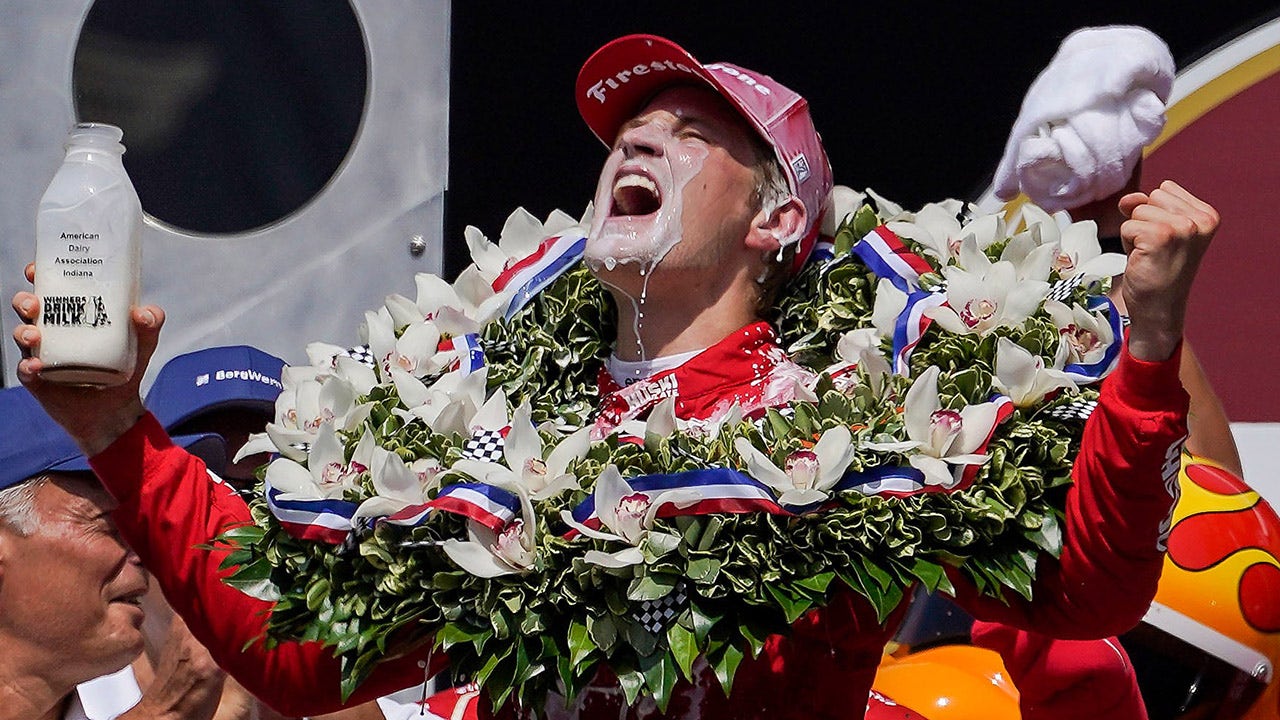
Marcus Ericsson’s daily mental training routine is a simple but deliberate set of habits he uses to stay focused, react fast, and measure success differently on race day. This piece walks through how his mind-game looks from morning to track, why it matters for performance, and how shifting what counts as success keeps him sharp when it matters most.
Ericsson starts the day with a clear intention rather than a checklist. He sets a focused mental target for what he wants to feel and accomplish, not just what he wants to finish. That shift from outcomes to intentions is the backbone of his routine and helps him stay present under pressure.
Visualization plays a central role in his practice. He runs through entire laps in his head, imagining the feel of the steering, the rhythm of braking, and the timing of every corner. Those imagined runs are not vague daydreams but precise mental rehearsals that prime his reflexes before he ever climbs into the car.
Breath control and brief moments of calm are part of his daily setup. He uses steady breathing to regulate adrenaline and sharpen attention, especially when track conditions or stakes spike. That simple pause buys clearer decisions and steadier hands at critical moments.
Ericsson also focuses on micro-goals inside every session, which changes how he defines success on track. Instead of only counting wins or podiums he tracks small, objective improvements like cleaner exits or earlier apexes. Replacing headline results with concrete, repeatable gains lets him build momentum without getting derailed by outcomes he cannot control.
Reflection closes each practice block in his routine. He spends short, honest minutes assessing what went well and what didn’t, then narrows one thing to work on next time. That quick loop of try, reflect, and adjust keeps learning fast and prevents frustration from piling up.
Consistency matters more than extremes in Ericsson’s plan. He prefers steady, repeatable mental drills to sporadic firework sessions, believing that reliability beats occasional brilliance. That consistency makes his focus a habit, not a heroic effort he must summon under stress.
Preparation also includes tuning expectations and embracing adaptability. When conditions change or a session goes sideways he reframes problems as signals about what to tweak. That flexibility reduces wasted emotion and converts setbacks into actionable feedback.
On race days the routine compresses but remains familiar. The same visualization, breathing, and micro-goal steps happen in tighter windows so his headspace stays calm and purposeful. That steadiness makes his reactions crisper and his decision-making clearer when milliseconds decide position.
What stands out is the mindset shift more than any single exercise. Marcus Ericsson’s approach redefines success on track by valuing process, precision, and small wins, not just trophies. For anyone chasing higher performance the takeaway is straightforward: cultivate simple, repeatable mental habits and measure progress by what you control.
