
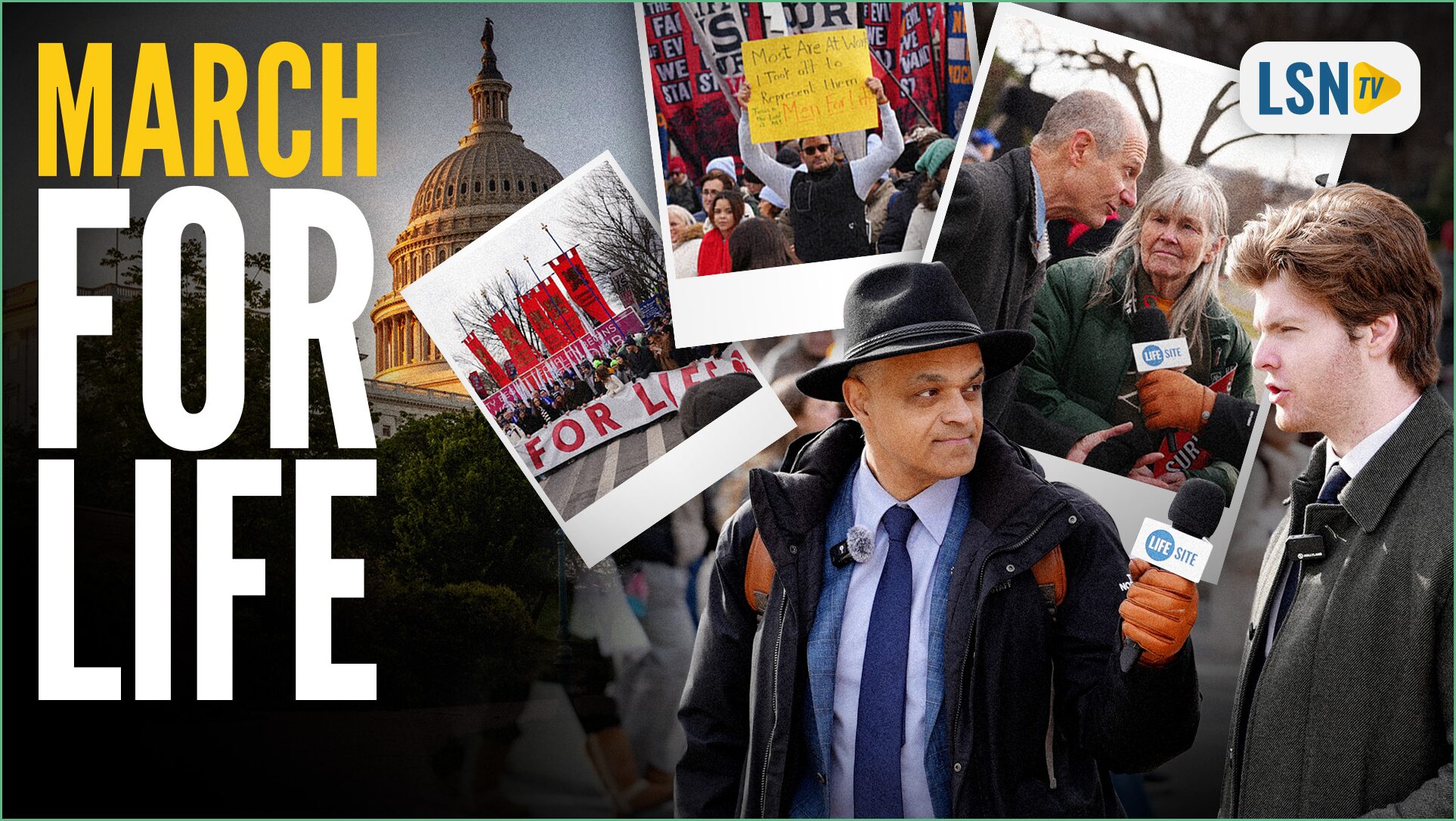
Tens of thousands of Americans converged in Washington, D.C., for the 2026 National March for Life, a powerful show of grassroots energy and conviction. Participants made clear they will keep pressing their cause and marching “until a culture of life is restored in the United States of America.” The crowd mixed families, students, faith leaders, and activists who came to be seen and heard across the capital.
The mood was determined and hopeful, not brittle. People carried signs, sang, and prayed together, and the size of the turnout signaled a movement that refuses to fade. For many, this is more than protest; it is a steady campaign of persuasion and policy work meant to reshape public life and law.
This is a conservative, pro-life moment built on grassroots momentum that travels from pews to precincts. Republicans see events like this as the public expression of values that deserve legal protection and cultural respect. The march serves as a reminder that millions of Americans do not accept abortion as an ordinary part of life and will push elected officials to reflect that stance.
Young people showed up in big numbers, and their presence matters for the future of the movement. College groups and high school contingents brought energy and social media savvy that translates into long-term activism. The movement’s next generation is ready to engage at rallies, run for office, and change local policy where it counts.
Speakers emphasized a dual strategy of moral appeal and political action. They encouraged participants to vote, volunteer, and support pro-life candidates who will protect the unborn. That practical advice underlines a central Republican view: values without policy cannot prevail for long.
There was also a sharp focus on the challenges posed by large tech platforms and mainstream media. Organizers warned that censorship and one-sided reporting skew public understanding and squeeze conservative voices. Protecting free speech and ensuring fair treatment online have become priorities for activists who feel their message is being muted where most public debate now happens.
Faith communities were visibly central to the event, and many participants described their activism as an extension of religious conviction. Churches and faith-based organizations provided structure for travel, outreach, and prayer, reflecting the movement’s deep roots in American religious life. That connection helps sustain long campaigns and personal sacrifices over years and decades.
The march is also tactical: it builds networks and raises funds to support education, pregnancy centers, legal efforts, and local ballot initiatives. Organizers stressed the need to turn passion into sustainable institutions that can offer alternatives to abortion. Conservatives argue that practical support for mothers and families, combined with pro-life laws, creates the strongest case for life.
Media coverage varied, but the sheer scale of the crowd made the event hard to ignore. Participants left Washington convinced their presence had mattered, even if every outlet did not tell the full story. Republicans see that outcome as part of a broader truth: persistent, visible civic engagement changes culture and policy over time.
Looking ahead, the organizers and many attendees intend to maintain momentum through local chapters, social outreach, and continued pressure on elected officials. The Republican perspective is straightforward: defend life, protect speech, and keep building institutions that support families. That blend of conviction and organization is what supporters believe will ultimately restore respect for life across the country.
