
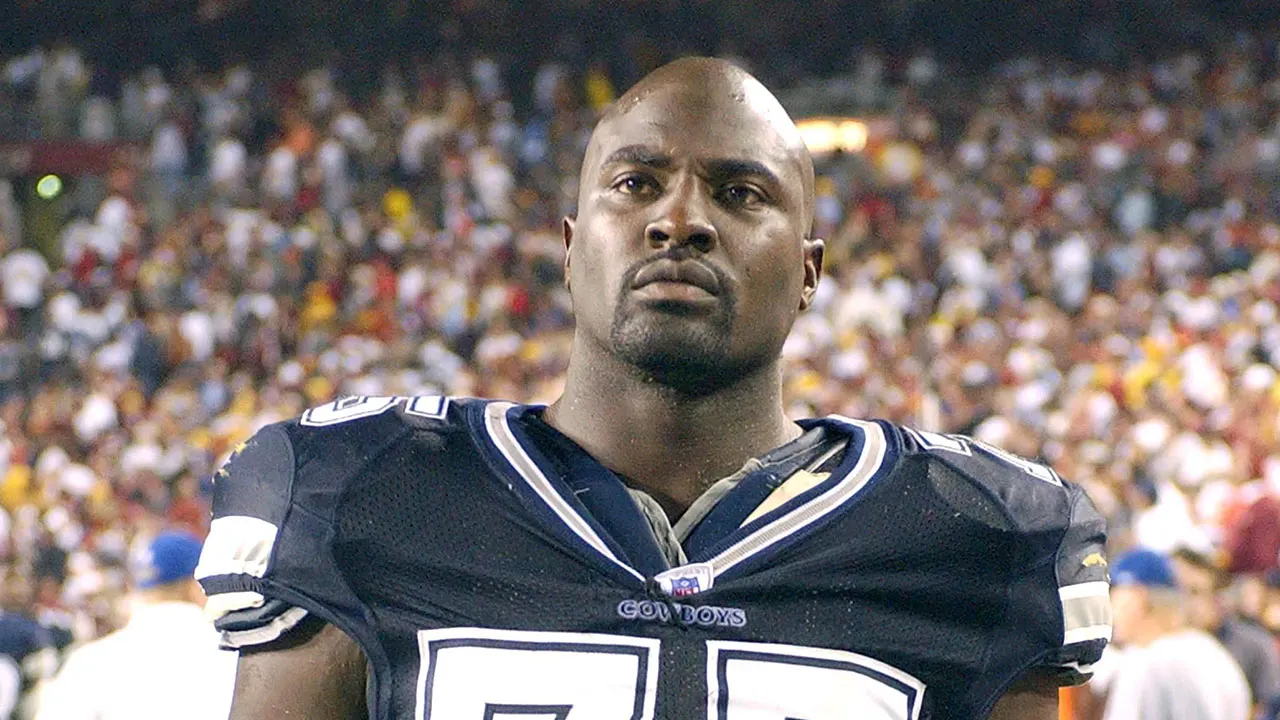
Former ESPN analyst Marcellus Wiley now faces fresh allegations as four additional women have come forward accusing him of sexual assault, including one who worked alongside him, which raises the number of accusers to seven and has intensified public attention and scrutiny.
The new accusations add layers to an already serious situation, and the focus quickly shifts to how institutions, journalists, and the legal system respond when multiple people make similar claims about a public figure. Each allegation deserves careful, unbiased review, and the emergence of more voices tends to change the dynamics—public perception hardens, potential witnesses surface, and organizations that once stood at arm’s length face renewed pressure to act. This is a moment when process matters as much as headlines.
People watching this story are asking familiar but vital questions: Were proper internal procedures followed, will law enforcement investigate, and what standards of evidence will guide any inquiry? Employers and media companies usually launch internal reviews while criminal investigators decide whether allegations meet the threshold for formal charges. Meanwhile, civil avenues like lawsuits can run on different timetables and standards, and those paths often shape how stories unfold in the public eye.
For those who come forward, the choice to speak publicly is loaded with personal risk and potential emotion, especially when the accused has a public profile and a network of professional allies. Allegations can trigger immediate reputational consequences regardless of legal outcomes, and public reaction can swing from supportive to skeptical in short order. That volatility is why transparent, timely statements from involved parties, when appropriate, are important to keep misinformation and rumor from filling the gaps.
When multiple accusers emerge, patterns are what many observers hunt for, but patterns alone do not replace careful fact-finding. Investigators typically look for corroboration in various forms—contemporaneous accounts, communications, witness testimony, and any physical evidence that may exist. Media outlets covering these developments have a duty to balance urgency with accuracy, avoiding sensational leaps while still reporting the seriousness of the claims and the steps being taken by authorities and employers.
The presence of a former colleague among the new accusers raises questions about workplace conduct, power dynamics, and the culture in environments that once felt off-limits to scrutiny. Companies and networks have been under growing pressure to demonstrate that they enforce conduct policies consistently and to make complaint channels meaningful and safe. The response from employers and professional communities in cases like this can influence whether others feel empowered to speak up, or conversely, whether they remain silent.
At the same time, the accused typically has legal rights and options, including denying the allegations, seeking legal counsel, and responding through official channels. Public figures may issue statements, and their representatives may engage with investigators or pursue legal remedies to protect reputation and livelihood. The balance between protecting due process and supporting alleged victims is delicate, and for the broader public it often feels like a test of institutional fairness.
What happens next will hinge on investigations, any potential filings, and how media coverage and public conversation unfold without compromising inquiry integrity. In high-profile situations, there’s a long tail: updates can come slowly, new evidence may surface, and additional conversations about policy and accountability often follow. For anyone following this story, watching how processes are conducted and how institutions respond will be as crucial as the initial allegations themselves.
