
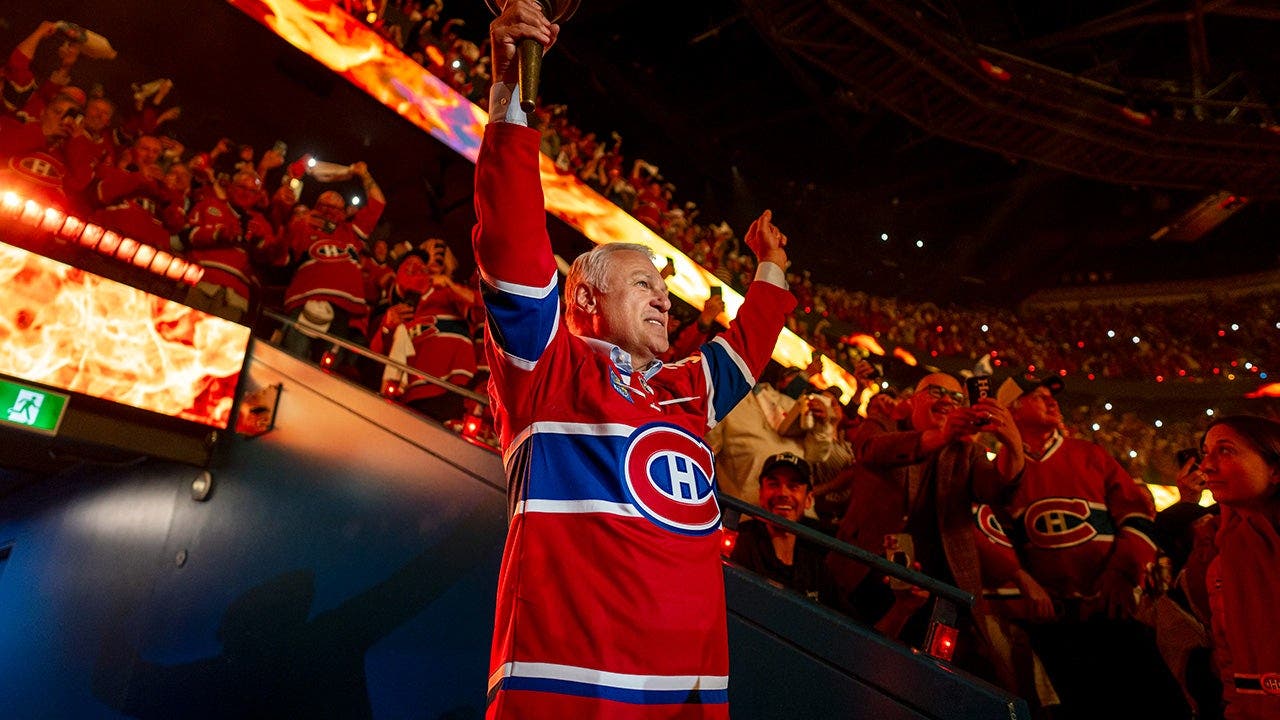
Claude Lemieux, a four-time Stanley Cup champion, has died at 60, with the Palm Beach County Sheriff’s Office confirming he took his own life. The news landed hard across the hockey world, where he was both celebrated for clutch performances and remembered for a combative style that made him a target of intense feelings from fans and opponents alike. This article looks at his career highlights, the circumstances announced by authorities, the reaction inside hockey, and the broader conversations his death is likely to reopen.
Lemieux’s name is carved into NHL history because he delivered in the playoffs, a player many coaches trusted when the stakes were highest. He won four Stanley Cups during a career that stretched across multiple teams, and his ability to produce in critical moments earned him a reputation as one of the most effective postseason performers of his era. Fans who loved him point to those clutch goals and the air of grit he brought to every series.
At the same time, Lemieux was a polarizing figure, the kind of player opponents loved to hate. He played with an aggressive, often abrasive edge that sparked controversy and heated responses whenever he was on the ice. That intensity made him a central figure in many memorable playoff matchups, and it also ensured his legacy would be complicated and charged with emotion.
The Palm Beach County Sheriff’s Office provided the stark detail that Lemieux took his own life, a phrase that cuts through sports talk and lands in the realm of public safety and tragedy. When a high-profile athlete dies by suicide, it forces everyone connected to the sport to reckon with the human being beyond the statistics. Authorities’ statements offer the only confirmed facts, and out of respect for the family and ongoing processes, speculation does no one any good.
Reaction from the hockey community was swift and varied, with messages ranging from shock and sorrow to reflections on the complexity of his career. Teammates, coaches, and rivals who shared ice time with him remembered his competitiveness, his knack for big plays, and the way he could tilt a series with a single shift. For fans who watched him lift multiple Cups, those memories are braided with the raw emotions of rivalry and respect.
This moment also brings mental health into focus. The manner of his death is a pain that resonates beyond locker rooms and headlines, and it raises questions about the supports available to players during and after their careers. Conversations about athlete mental health have grown louder in recent years, and events like this make it clearer that visibility and resources matter, regardless of past glory or public persona.
Lemieux’s legacy will remain a mix of championship hardware and the complicated feelings he inspired in others, and that mixed legacy will be part of how he is remembered. Sports history often holds figures who stir strong and contradictory reactions, and his career is a reminder that the people we cheer for or boo are, at the center, human. As the hockey world digests this loss, stories of his on-ice exploits will sit alongside questions about how we care for athletes when the lights are off.
In the days ahead, expect more remembrances and factual details from those who knew him best, along with calls for attention to athlete wellbeing. For now, the confirmed fact remains: Claude Lemieux, a four-time Stanley Cup champion, has died at 60 by suicide, and that fact has prompted both mourning and reflection across the game he helped shape.
