
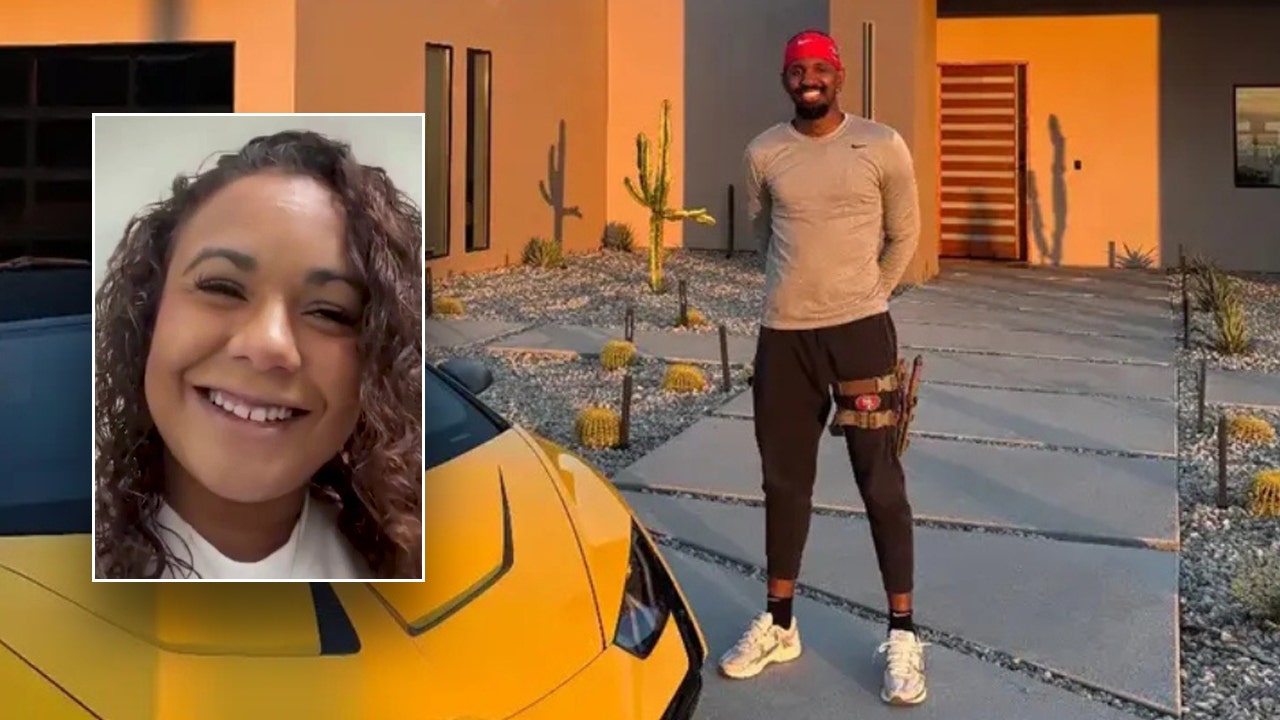
A man who allegedly built a fake NFL life online is now facing accusations that he used that persona to reel in women and drain millions of dollars from them. The story cuts straight into the ugly side of dating apps, where polished profiles, big followings and flashy lifestyle posts can hide a lot more than they reveal.
According to federal prosecutors, Daejon Labrayae Love posed as a San Francisco 49ers player while courting women and pushing phony investment pitches. Investigators say the alleged scheme brought in about $1.3 million from at least 26 women, and the case has only grown bigger as more possible victims have come forward.
One woman who matched with him, Domonique DuBose, said the setup looked impressive at first glance. His profile, his videos and his social media presence all seemed designed to project status, money and athletic success, complete with an account that looked polished enough to pass a quick sniff test.
DuBose, though, had a different reaction. She noticed the speed, the pushiness and the overly scripted vibe almost immediately, which is exactly the kind of instinct that can save someone from a costly mistake. That sense of discomfort became the first real crack in the story he was telling.
From there, the details got stranger. DuBose said he moved fast, sent a flood of messages and voice notes, and talked up a glamorous background that included claims about wealth, family money and business interests that did not line up cleanly with his supposed football career.
He also leaned hard on the look of success. Federal investigators later said they confirmed with the NFL and the 49ers that he had never worked for either organization, which makes the whole thing even more brazen, because the alleged scam depended on borrowing credibility he never earned.
The case also highlights how easy it is for a fake identity to look real online. A blue check, a pile of followers and a steady stream of curated photos can create a strong illusion, especially when somebody knows how to dress up the story with the right props and the right tone.
That is what makes romance scams so effective. They are not just about money, but about trust, timing and emotional pressure, and those ingredients can keep people believing long after the red flags start waving in front of them.
DuBose said she kept checking details instead of getting swept up in the hype. She looked at roster information, cross-checked football history and kept asking whether the story held together, which is exactly the kind of independent verification many people skip when they are flattered and distracted.
The alleged scheme did not stop with one or two conversations. Prosecutors say some women were shown what looked like early investment returns, only to be pulled deeper into the trap, and when the money ran out or the questions got harder, contact reportedly stopped.
That pattern is a classic warning sign. Scammers often use small wins to build confidence, then turn the heat up once the target is emotionally invested, because trust can be more valuable than money in the early stages of a fraud.
The ripple effect has been growing too. Authorities say dozens more women have since come forward, and if those claims are verified, the number of possible victims would climb sharply, showing how quickly one fake persona can spread damage across a wide circle.
For anyone meeting people through dating apps, the lesson is simple: slow down and verify. A real person will not collapse when asked basic questions, but a scammer often will, especially when the conversation starts shifting toward money, urgency or secrecy.
It also helps to keep things boring at first. Stay inside the app until trust is earned, avoid handing out a personal number too quickly, and do not share financial details or consider investing in anything tied to a new romance, no matter how convincing the pitch sounds.
Photos and phone numbers can be checked too, and that extra minute of effort can expose reused images or mismatched identities. If the story keeps changing, or if the person gets defensive when asked simple follow-up questions, that is not chemistry, that is a warning flare.
If money has already been sent, speed matters. Banks and payment companies may be able to help, but the odds usually get worse with every passing hour, so saving messages, screenshots and transaction records is critical before the paper trail disappears.
The bigger issue is how effortlessly fake credibility can now be manufactured. A convincing profile, a slick message and a few strategic lies can do a lot of damage before the truth catches up, and that is exactly why people need to stay sharp when attraction starts to move too fast.
