
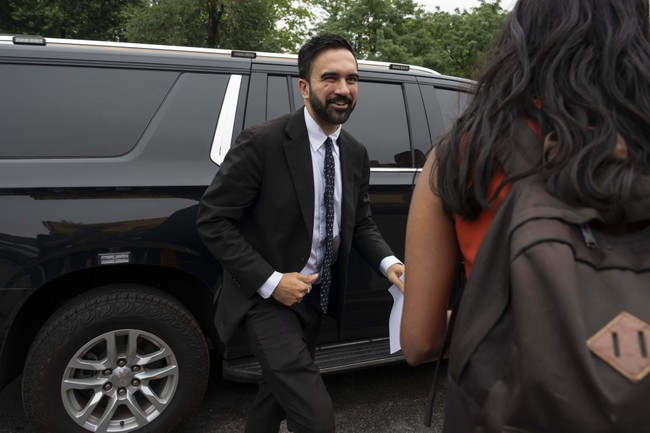
Zohran Mamdani, an avowed socialist, is likely to become the next mayor of New York City. While his affection for his parents is commendable, it doesn’t paint a full picture. The backdrop of his political journey raises questions about the influences shaping his ideology and ambitions.
The New York Post highlights a connection between Mamdani’s family and Qatar, a nation known for its support of Hamas. Qatar has long been a financial supporter of Mamdani’s mother, Mira Nair, a film director known for her critical stance on Israel. The involvement of Qatar in Mamdani’s family affairs raises eyebrows about the potential influence on his political views.
Mamdani’s father, Mahmood Mamdani, a Marxist professor, claims that his son’s political aspirations are independent. He emphasizes that Zohran is his own person, despite the environment in which he was raised. However, as much as he insists on his son’s individuality, the familial ties to controversial figures can be hard to ignore.
Contrary to Mahmood’s stance, Mira Nair believes their worldview has greatly influenced Zohran. She argues that the ideas and narratives they engage with are integral to who he is today. This admission strengthens the argument that Mamdani’s political identity is closely linked to his upbringing.
The connection with Qatar is significant, given its history of supporting radical causes. The nation’s funding of Nair’s projects suggests an alignment of ideologies. This relationship becomes even more concerning when considering Qatar’s support of anti-Israel sentiments.
Mira Nair’s stance on Israel is well-documented, as she refused to attend the Haifa International Film Festival. Her commitment to the Boycott, Divestment, Sanctions (BDS) movement against Israel speaks volumes about her perspective. This position is echoed in Zohran’s political endeavors, aligning him with far-left, anti-Israel groups.
Sheikha Al-Mayassa bint Hamad Al-Thani, a prominent Qatari figure, has been a supporter of Mira Nair’s work. Her endorsement of Zohran Mamdani’s mayoral campaign on social media highlights the intricate web of associations. This support extends beyond cultural projects, suggesting a vested interest in shaping political landscapes.
The influence of Qatar is undeniable, especially considering its financial contributions to Nair’s films. For instance, the Doha Film Institute funded her movie “The Reluctant Fundamentalist,” which explores themes of jihad and American culpability. Such narratives align with Qatar’s interests and raise questions about the underlying messages being promoted.
Mamdani’s candidacy has gained traction among certain demographics in New York City. However, the potential mayor’s ties to contentious international figures and ideologies cannot be overlooked. These connections suggest a possible shift in policy direction under his leadership.
The media’s portrayal of Mamdani as an innovative leader might overshadow these concerns. Yet, voters must remain vigilant about the influences shaping his agenda. The narrative surrounding his campaign requires careful scrutiny to understand the full implications.
New York City’s political landscape could change dramatically with Mamdani’s leadership. His alignment with radical ideologies poses a challenge to traditional values. The city’s future hangs in the balance as residents contemplate the broader impact of his potential administration.
The ties between Mamdani’s family and Qatar are complex and multifaceted. These relationships raise legitimate concerns about foreign influence in American politics. As the election approaches, the electorate must weigh these factors carefully.
Mamdani’s rise to prominence is a testament to the shifting political dynamics in New York City. His campaign reflects broader trends seen across the country, where traditional values are often challenged by radical viewpoints. Understanding these dynamics is crucial for informed decision-making.
The potential impact of Mamdani’s leadership extends beyond city borders. Nationally, his policies could influence broader political discourse. The implications of his ties to foreign entities must be considered in this context.
Critics argue that Mamdani’s policies could be detrimental to New York City. The focus on progressive ideals might overlook practical solutions needed for real-world problems. The city’s residents deserve leaders who prioritize their well-being over ideological pursuits.
As voters head to the polls, they must consider the full scope of Mamdani’s influences. The future of New York City is at stake, and informed voting is more crucial than ever. The narrative surrounding his campaign must be examined thoroughly to ensure a clear understanding of his potential impact.
