
Mayor Zohran Mamdani rolled out a citywide racial equity plan aimed at helping “black and brown New Yorkers” during the cost-of-living crunch, and the rollout has stirred sharp reactions about fairness, bureaucracy, and practicality. The administration touts hundreds of strategies and indicators to measure progress, while critics from the right warn this packages policy by race instead of by need. This piece examines the plan, the numbers, and the immediate responses in straightforward terms.
Mamdani framed the problem as universal but uneven, insisting the affordability squeeze hits the whole city while hitting Black and Latino residents harder. “This is not a crisis affecting a small minority of New Yorkers. It is a crisis touching the vast majority of our city, in every borough and every neighborhood,” Mamdani said. He tied racial equity directly to solving the affordability issues, making equity the organizing principle for policy choices.
He doubled down with a second quote that blends moral urgency with policy ambition: “But we know this crisis is not felt equally. Black and Latino New Yorkers — who have been pushed out of this city for decades — are bearing the brunt,” he added. “These reports make one thing clear: We cannot tackle systemic racial inequity without confronting the affordability crisis head-on, and we cannot solve the cost-of-living crisis without dismantling systemic racial inequity.” That logic underpins the whole document, and it reveals a priority: racial classification will drive resource decisions.
The administration’s white paper layers on complexity: there are reportedly over 800 racial equity “strategies” and 600 “indicators to track and report progress.” That volume sounds like a policy catalog engineered to govern everything from permitting to air quality, and it raises the question of whether metrics will guide solutions or obscure them. A plan that measures everything risks managing metrics instead of outcomes for struggling families.
Republican critics are blunt about the implications: policies that explicitly favor groups by race replace neutral, poverty-focused programs that help anyone in need. The plan’s language about advancing racial equity across every government agency suggests a permanent reorientation of city operations. Voters who care about equal treatment under the law see this as a step toward government-managed identity policy instead of widening opportunity for all.
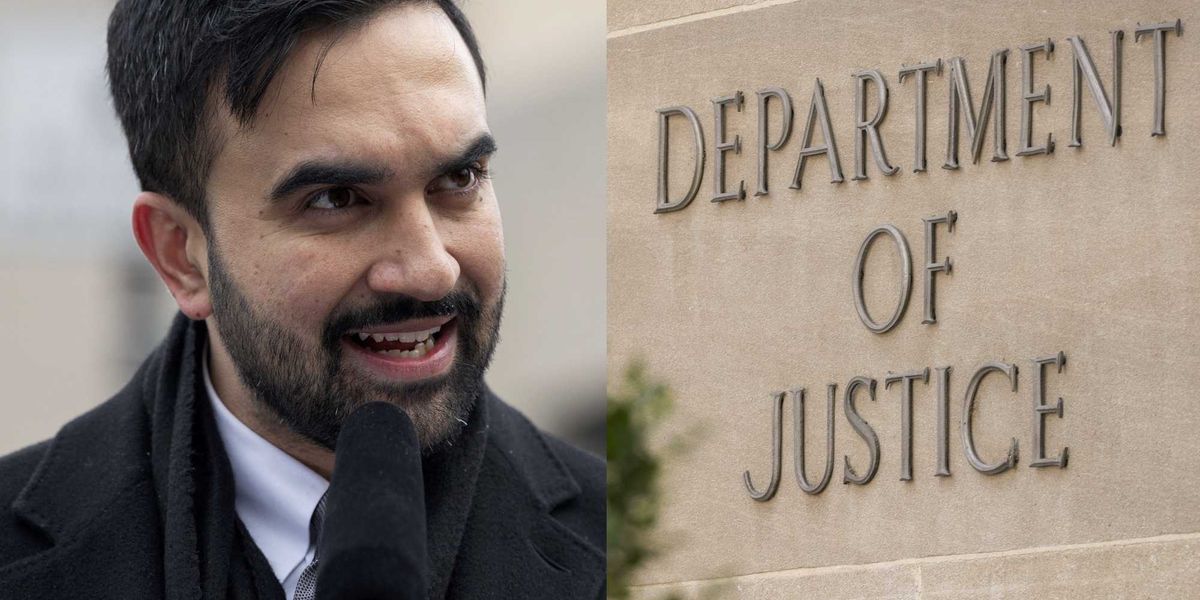
Not everyone is quiet. Harmeet Dhillon, the assistant attorney general for the Civil Rights Division, simply, “Sounds fishy/illegal. Will review!” That short public reaction by a civil rights official underscores the legal questions that racial preference policies invite. When policy explicitly groups people by race to allocate resources, it invites court scrutiny and political pushback the city is likely to face.
On the administration’s side, officials argue this is about correcting long-term disparities embedded in institutions. Deputy Mayor for Economic Justice Julie Su used the word dismantle when describing “structural racism and inequity” and promised coordinated agency action. NYC Chief Equity Officer Afua Atta-Mensah said the whole point is to “advance racial equity, promote justice, and create lasting change,” signaling that this will be baked into city operations.
Sounds fishy/illegal. Will review! https://t.co/HDT4FJdGwK
— AAGHarmeetDhillon (@AAGDhillon) April 6, 2026
The plan sketches specific agendas: expanding capital access for underserved businesses, applying a racial equity framework to new housing proposals, and cutting truck-related pollution in communities of color. Those priorities can read as targeted investments or as bureaucratic mandates depending on one’s view. The real test will be whether programs reach households in need without creating new divisions or inefficiencies.
One of the most consequential changes is a proposed “true cost of living” measure meant to replace traditional poverty metrics. The administration claims 62% of New Yorkers don’t meet this TCOL standard while traditional measures identify only 18% to 20% as poor. Hispanics reportedly top the TCOL shortfall, with Black residents second, and those numbers are being used to justify race-focused interventions rather than universal relief.
That shift from income thresholds to a broader cost standard is a political as well as technical move; it can expand eligibility and shift funds but also make budget claims harder to compare across cities or time. For Republican policymakers and voters, expanding measures can mean expanding government obligations, higher costs, and less accountability for results. Conservatives will push for solutions that focus on jobs, safety, and lowering housing costs for everyone.
The rollout comes as the mayor faces scrutiny on other promises and overall city performance, and critics point out that ambitious frameworks often create long lists of strategies without clear timelines or accountability. The plan’s scale is impressive on paper but risky in practice, especially when it ties resources to race-based criteria. Expect litigation, political fights, and a long debate over whether this approach helps New Yorkers or simply reshapes power in city government.
A request for comment from the mayor’s office on these critiques was not returned by the time of publishing.

1 Comment
Housing affordability has nothing to do with ‘racial equity’ but is rather due to ‘crapola policy’ instituted by certain bigoted self-righteous fools in politics; hint, hint guess who that might be!
NYC Politics is now a 100% Clown Act!