
Zohran Mamdani’s New York has become a live-fire example of what happens when ideology outruns common sense. The fight is no longer abstract, because the city is testing major changes to policing, jail capacity, and public safety at the same time. That mix is stirring real concern about what happens when promises of compassion collide with the hard math of crime, disorder, and overcrowded streets.
One of the biggest flashpoints is the decision to dismantle the NYPD’s Strategic Response Group, a unit built for major emergencies, violent demonstrations, and unrest. Supporters of the move sell it as a fresh start, but critics see a city lowering its guard just when public order matters most. A replacement built around dialogue sounds nice on paper, but it does not arrest anyone, and it does not stop a crowd from turning violent.
The concern is not theoretical. New York has already lived through the chaos of 2020, when protests slid into looting, assaults, and destruction that left neighborhoods paying the price. That memory still hangs over the city, which makes the decision to weaken a specialized response team feel less like reform and more like wishful thinking. Public safety tends to get ugly fast when officials start pretending serious disorder can be managed with slogans.
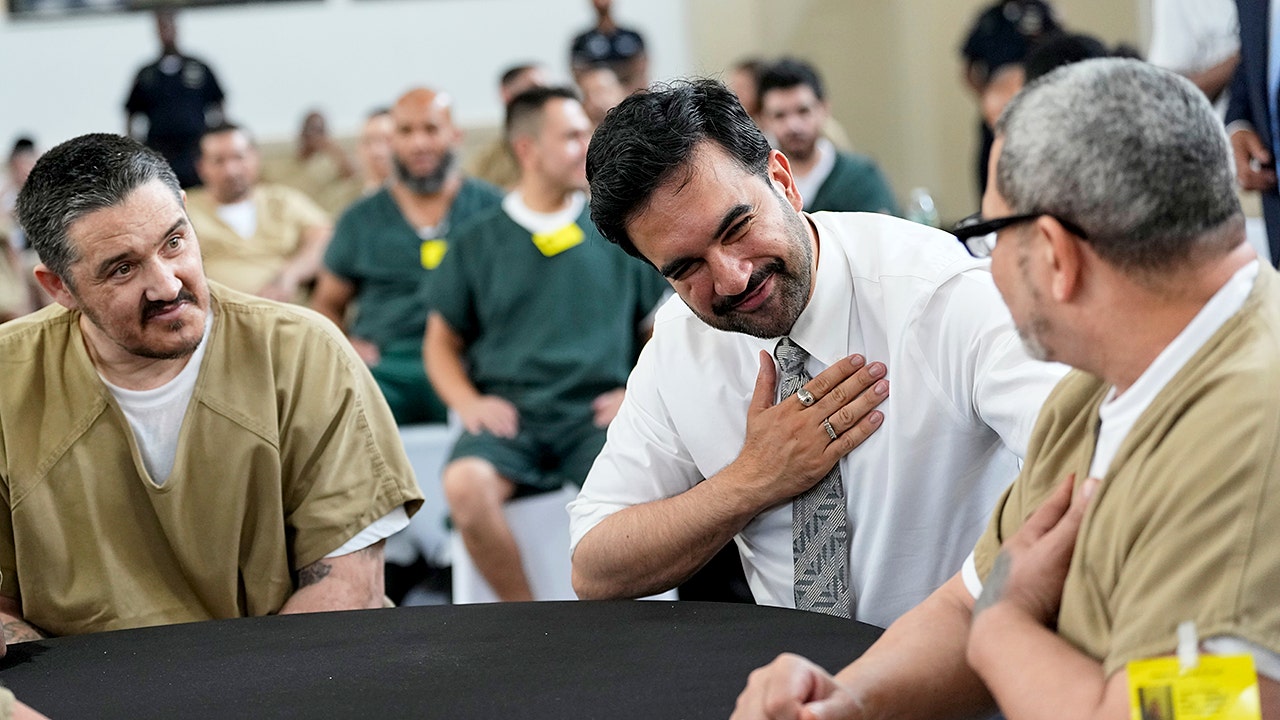
Then there is Rikers Island, where Mamdani wants to close the facility by 2032 and replace it with a much smaller jail system spread across the boroughs. The problem is not whether Rikers has flaws, because it clearly does. The problem is that the replacement plan cuts bed space so sharply that the numbers simply do not line up with the city’s current jail population.
Right now, the city has roughly 6,600 people in jail. The planned replacement system would hold about 4,160 inmates, plus 340 therapeutic beds, for a total of 4,500. That leaves a gap of more than 2,000 people, which means the city would have to find a way to shrink its jail population by roughly a third before the new system is ready.
That is where the whole thing starts to look less like a policy and more like a gamble. New York has already pulled back from quality-of-life enforcement in a big way, leaving fare evasion, open drug use, public disorder, and shoplifting too often shrugged off. Once a city decides that proactive policing is suspect, the street-level problems do not disappear. They spread.
The answer from City Hall is to lean harder into diversion programs, faster court processing, and alternatives to detention. Those ideas sound polished, but they have been floated for years without delivering the kind of results their advocates promise. If the jail population does not fall the way officials want, the city still has to deal with the same offenders somewhere, and that “somewhere” does not magically solve itself.
That is the part ordinary New Yorkers understand immediately. When jail capacity shrinks faster than crime, disorder, and repeat offending, the burden does not vanish. It gets pushed outward into neighborhoods, subway cars, sidewalks, and the daily lives of people who cannot afford private security or a safer ZIP code.
The financial side is just as jarring. Replacing Rikers is expected to cost at least $16 billion, and that figure already dwarfs earlier estimates. On top of that, there is talk of expanding a program that pays families to house relatives returning from jail, growing it from 50 to 300 families and eventually spending millions more each year.
That is a lot of public money flowing into a system that is already being asked to do less with less space. The pitch is wrapped in compassion, but the practical effect is a city spending billions to reduce its own ability to confine dangerous people while also layering on new costs. Taxpayers get the bill, while officials get to call it progress.
The people who feel this first are rarely the political class. It is the commuters on the subway, the shopkeepers on struggling blocks, the parents trying to raise kids in neighborhoods that already feel stretched thin. Women, in particular, end up carrying a heavy share of the risk when public spaces become less orderly and enforcement gets softer.
That is why the stakes reach far beyond one mayor’s agenda. New York is not just another city tinkering around the edges. It is a national symbol, a policy incubator, and a place where bad ideas can pick up steam and travel. If this experiment keeps rolling, other cities will be watching, and plenty of them will be tempted to copy the same mistakes.
So the next few years are going to matter. The city is betting that lighter enforcement, fewer jail beds, and more social programs can somehow replace the old hard edge that kept chaos in check. If that bet fails, the fallout will not stay neatly contained inside City Hall, and New Yorkers will be the ones living with the consequences every single day.
