
Makita’s 18V LXT lineup is built around one battery platform, but that does not mean every tool feels or performs the same. The family splits into different branches, with standard LXT Premium tools on one side and smaller LXT Sub-Compact tools on the other, and the gap between them shows up fast once the tools are in hand. Size, weight, power, and price all play a role, and the differences can matter a lot depending on the job.
Makita’s battery ecosystem is broader than many shoppers realize. The brand also offers CXT for compact 12V tools, XGT for heavier 40V gear, and ConnectX for commercial equipment, but the 18V LXT platform remains the everyday workhorse for a lot of users. It covers everything from common drills to outdoor equipment, which is a big reason it has stayed so popular. Within that platform, the LXT name does not point to just one kind of tool.
That is where the split between Premium and Sub-Compact starts to matter. LXT Premium is basically Makita’s standard 18V line, while Sub-Compact tools are built to feel smaller and easier to handle without dropping down to a weaker battery system. The idea is simple enough: give users a tool that is closer in size to a 12V model, but still powered by 18V batteries. That makes the Sub-Compact line appealing for tight spaces, overhead work, and anyone who wants less bulk in the hand.
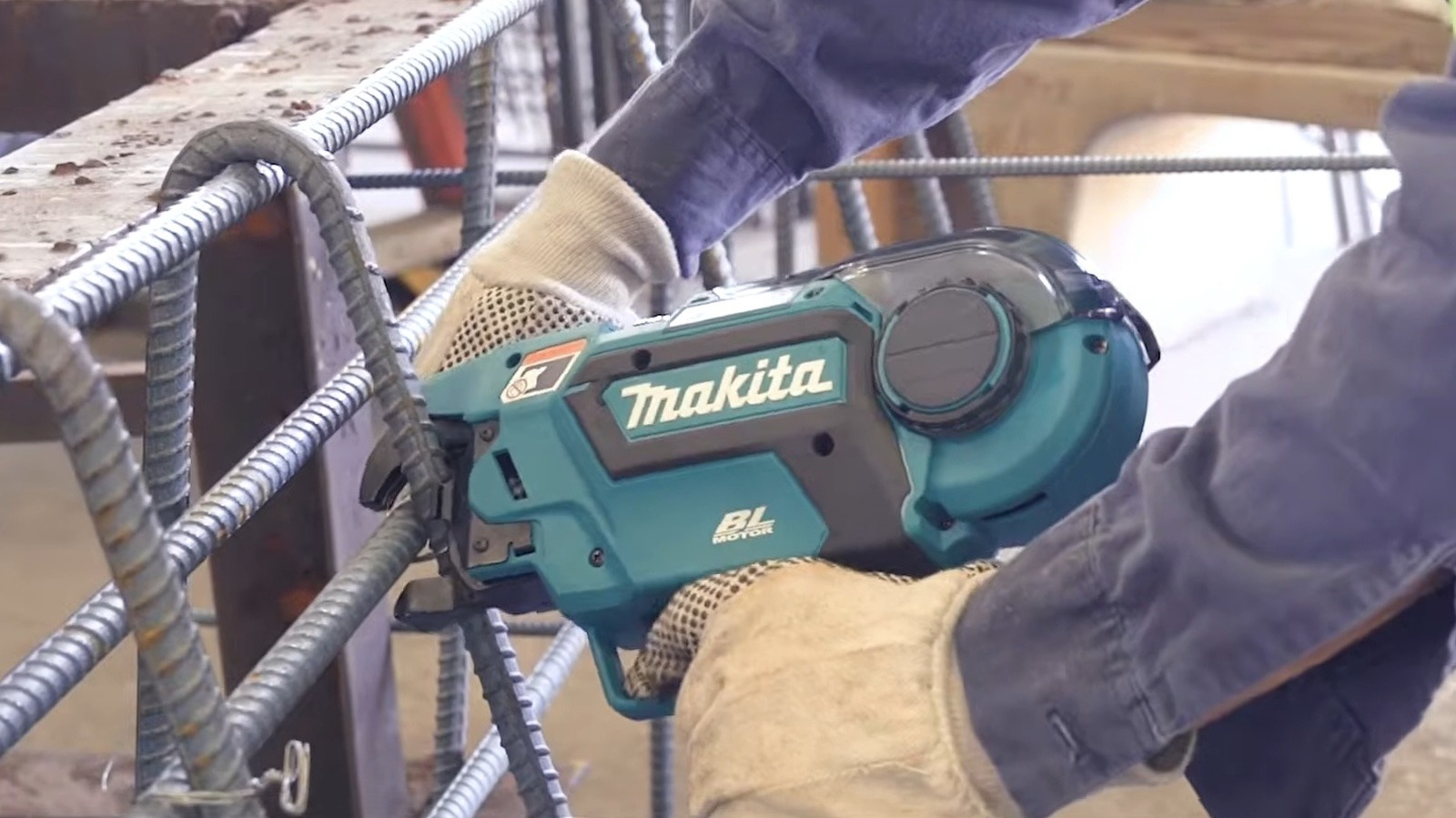
Color also gives the two lines away quickly. Premium tools wear Makita’s familiar teal, while Sub-Compact models are mostly black, so the distinction is hard to miss on a shelf or in a toolbox. The shared battery platform can make the lines seem interchangeable at first glance, but the build philosophy behind them is very different. One is made to be the balanced everyday choice, and the other is built around easy handling and portability.
A side-by-side comparison makes the tradeoff even clearer, especially with a common tool like a half-inch drill/driver. The Premium version measures 6-7/8 inches long and weighs 4.65 pounds with a battery, while the Sub-Compact version is 5-7/8 inches long and weighs 2.9 pounds with a battery. That is a meaningful drop in size and weight, and it can make a long day of work feel a little less punishing. But the smaller footprint comes with a noticeable cut in raw output.
Torque is where the gap really starts to show. The Sub-Compact drill/driver tops out at 350 in.-lb. of maximum torque, while the Premium model reaches 970 in.-lb. of maximum torque. That is a huge difference, and it changes what each tool is best at once the work gets demanding. Both have two variable-speed settings, but the Premium pushes higher, reaching 550 and 1,800 RPM compared with the Sub-Compact’s 500 and 1,700 RPM.
Drilling capacity tells a similar story. In wood, the Sub-Compact model can handle up to 1-7/16 inches, while the Premium version can drill a full two inches. In steel, both tools can drill up to a half-inch, so there are still situations where the gap is less dramatic than the torque numbers suggest. Even so, the Premium tool simply has more muscle when the material gets stubborn.
Price helps explain why both lines exist in the first place. The lighter Sub-Compact drill/driver sells for $139, while the Premium model costs $159, so the smaller tool is easier on the wallet as well as the wrist. That difference is not huge, but it reinforces the choice in front of buyers: compact convenience or stronger all-around performance. For some jobs, the smaller tool feels like a smart everyday carry, while other tasks demand the extra punch of the standard 18V build.
