
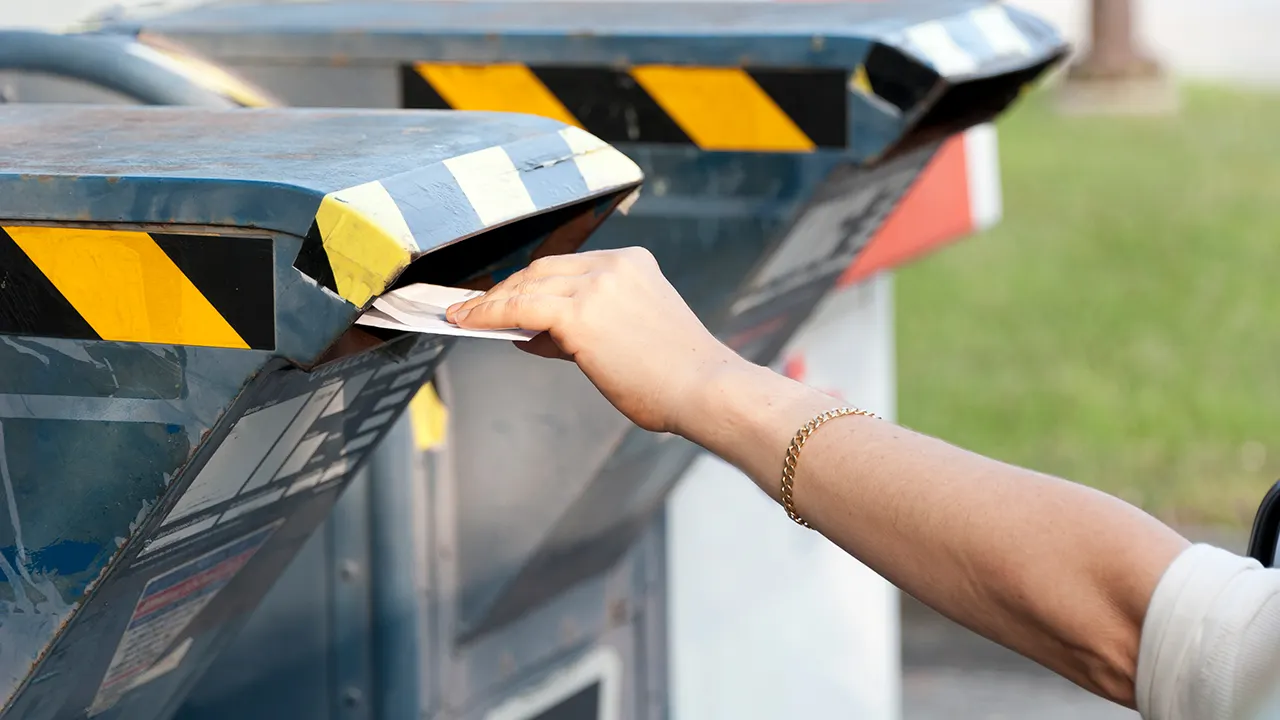
Checks are still in the game, but so are the crooks. Mail theft has turned into a fast-moving fraud machine, and stolen paper payments can be washed, copied, and used before anyone notices. Postal Inspectors now recover more than $1 billion in counterfeit checks and money orders every year, which tells the whole story without much drama needed.
That risk hits hard because it feels ordinary. A bill gets mailed, days pass, and then a card payment gets flagged or a lender says the check never arrived. Before long, several payments are missing, and the money trail has been rerouted by someone who never earned a dime of it.
The ugly part is that old-school theft and newer tech scams are now working side by side. A stolen check can be chemically stripped, but criminals can also scan signatures, build fake copies, and push fraud through at scale. The result is a mess that can drain accounts, delay payments, and leave people fighting to prove they did nothing wrong.
Some people assume careful habits are enough, and that is exactly what makes this scam so frustrating. Even checks dropped near a post office can disappear into the wrong hands, and the damage may not show up until a creditor starts asking questions. It is a simple scam with a nasty chain reaction.
One line of defense is to make checks harder to alter in the first place. A gel pen and firm pressure can make ink washing more difficult, which is better than using a pen that practically invites tampering. It is not a magic shield, though, because scammers have upgraded too and are not shy about using scanners and printers to fake what they cannot erase.
For the bills that allow it, paying in person is still one of the safest moves. Handling a credit card payment at a branch or paying local taxes at the office cuts mail theft out of the loop and keeps the transaction more direct. It may take a little more effort, but it closes a door criminals love to slip through.
Online payments can help too, but only when they are handled with care. Strong passwords, trusted devices, and attention to account activity matter because digital convenience comes with its own set of traps. The point is not to chase the newest method blindly, but to choose the one that gives thieves the fewest openings.
If the mail still has to be used, where it is dropped off matters. Putting envelopes inside the post office is safer than trusting a public mailbox, which can be an easy target for thieves cruising for easy pickups. At home, the mailbox should not sit stuffed for hours or days, and anyone traveling should place a hold on delivery before leaving town.
Watching payment status is just as important as sending the payment itself. Setting a weekly bill check can catch a problem before it becomes a bigger financial headache, especially when one payment suddenly lags behind the rest. If something looks off, the bank should be contacted right away, because speed can make the difference between a headache and a full-blown loss.
The bigger lesson is pretty plain: routine habits are exactly what scammers count on. They know people get busy, assume the mail is fine, and stop checking once the envelope is gone. Staying alert may not be glamorous, but it is what keeps a simple bill from turning into someone else’s payday.
