
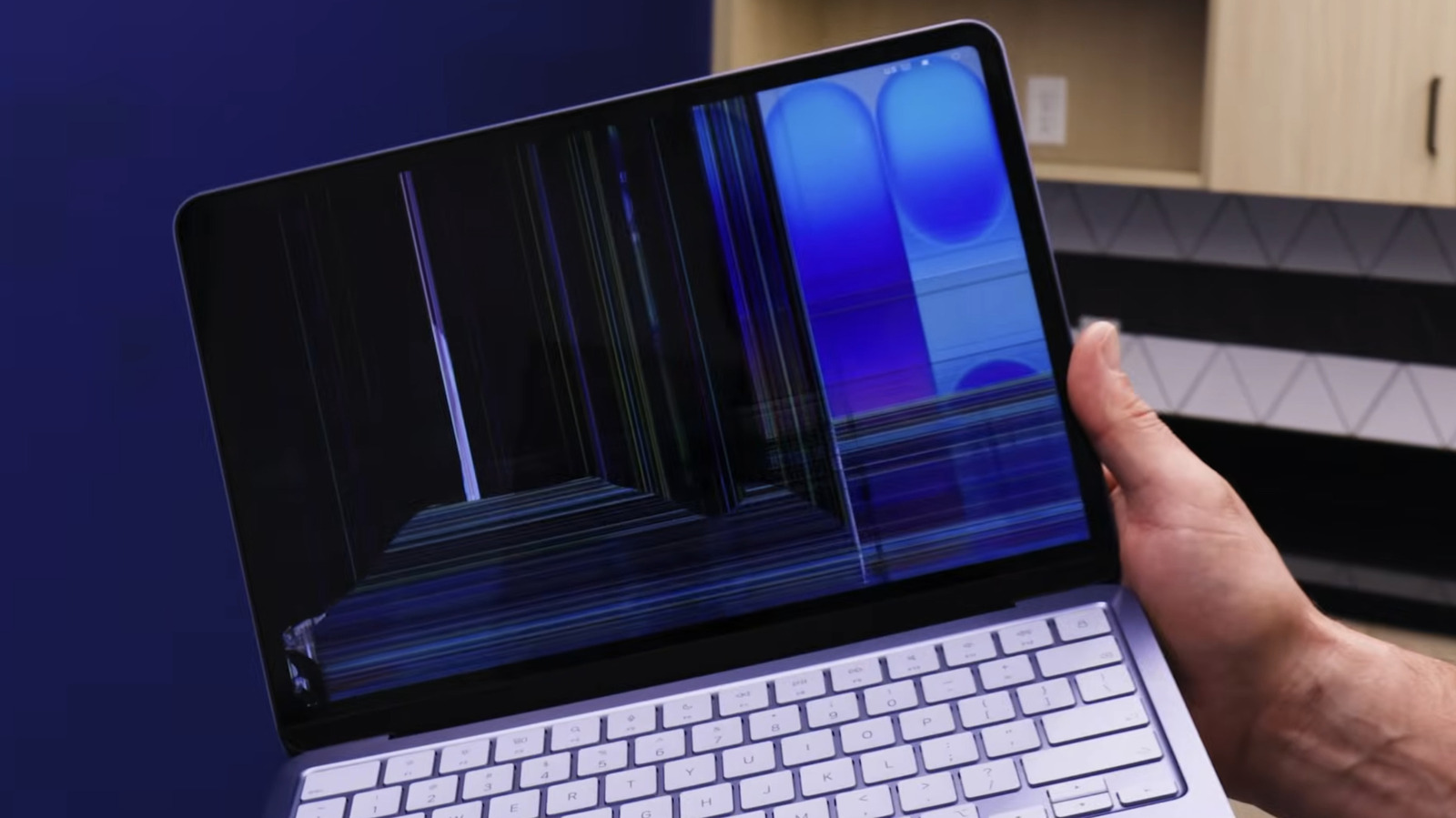
The MacBook Neo may look like a budget-friendly laptop with a tough shell, but a cracked display can still turn a good day into a pricey headache. What you pay depends a lot on whether you bought AppleCare+, whether you want to DIY the fix, and how willing you are to let Apple inspect the damage before naming a number.
If you have AppleCare+, the screen repair is refreshingly simple: $49, with the exact amount sometimes shifting a bit by region. That is a lot easier to swallow than the cost of a full replacement, especially when the laptop itself sits around the $599 mark. For a machine that is supposed to be the more affordable MacBook, the protection plan can feel like the difference between a minor annoyance and a serious hit to your wallet.
Without AppleCare+, things get less friendly fast. Apple’s Self Service Repair Store lists the MacBook Neo display at $307.12, and if you return the damaged part, the price drops to about $219.12 before labor. Even the lower number is still a hefty chunk of change, and once you add the rest of the repair process, the total can start creeping into territory that makes people rethink the whole fix.
AppleCare+ does not cover a cracked screen through the standard warranty, and that catches a lot of people off guard. The warranty may help with other issues, but screen damage is treated differently, no matter where you live. That means anyone without coverage is left paying for both the panel and the work to install it, which is where the repair bill can get uncomfortable in a hurry.
Apple also keeps things vague for walk-in repairs. Instead of posting a clean, fixed quote for a cracked display, the company wants to inspect the machine first and then give a tailored estimate. The only straightforward repair price on the official site is $149 for a battery, so a broken screen is one of those problems where you do not really know the damage until Apple sees the device in person.
That uncertainty is part of what makes the Neo’s repair story interesting. The laptop is built to be opened up more easily than a lot of past Macs, and iFixit gave it a 6 out of 10 repairability score, which is the best any MacBook has earned in 14 years. For people who like to handle repairs themselves, that is a pretty encouraging sign.
There is also a practical upside hidden in the design. iFixit tested swapping a display from one Neo to another, and the new panel worked right away, which suggests Apple is not using the kind of parts-pairing lock that has complicated repairs on other machines. Instead, the laptop relies on Repair Assistant to calibrate the replacement display, making the process a lot less hostile for anyone who knows their way around a toolkit.
That does not mean replacing the screen is cheap, easy, or something everyone should rush into. But it does mean the MacBook Neo is not locked into the same repair maze that has frustrated Mac users for years, and that matters when a single fall can turn a perfectly good laptop into an expensive project.
